
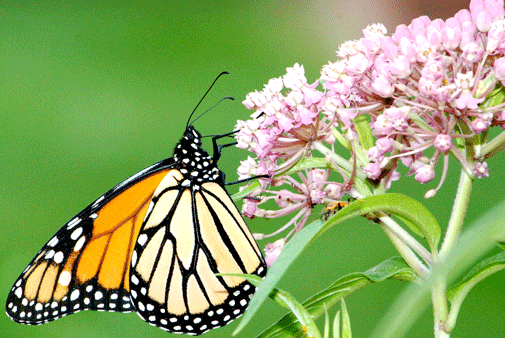
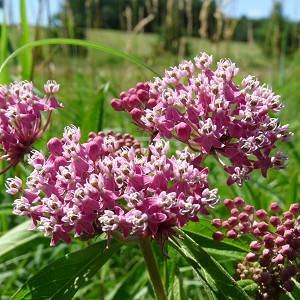
Swamp Milkweed flowers are in bloom! Also known as Red Milkweed, Marsh Milkweed, Rose Milkweed, or Asclepias incarnata (if you’re not into the whole brevity thing), this native Wisconsin plant offers a burst of color from June through August, with July being a peak month to catch its soft pink blossoms.
Swamp milkweed is more than just a pretty flower. It’s a triple win:
They’re great for pollinators.
They’re great for water quality.
They’re great for the view.
a lifeline for monarchs
If you’ve ever asked, “What plant do monarch caterpillars eat?” — this is it. Swamp Milkweed is one of the two most preferred host plants for monarch butterflies, alongside common milkweed. According to the USDA, monarchs are especially likely to lay their eggs on Swamp Milkweed.
After hatching, the striped caterpillars begin feeding right away. And that feeding? It’s not just necessary, it’s life or death! Monarch caterpillars can only eat milkweed, and the toxins in the plant actually help protect them from predators.
from seed to bloom: swamp milkweed growth stages
Here’s a look at swamp milkweed’s journey from seed to bloom:
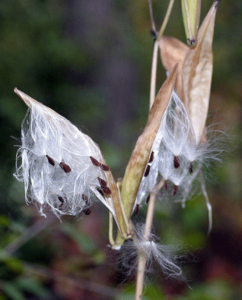
seedpod with seed
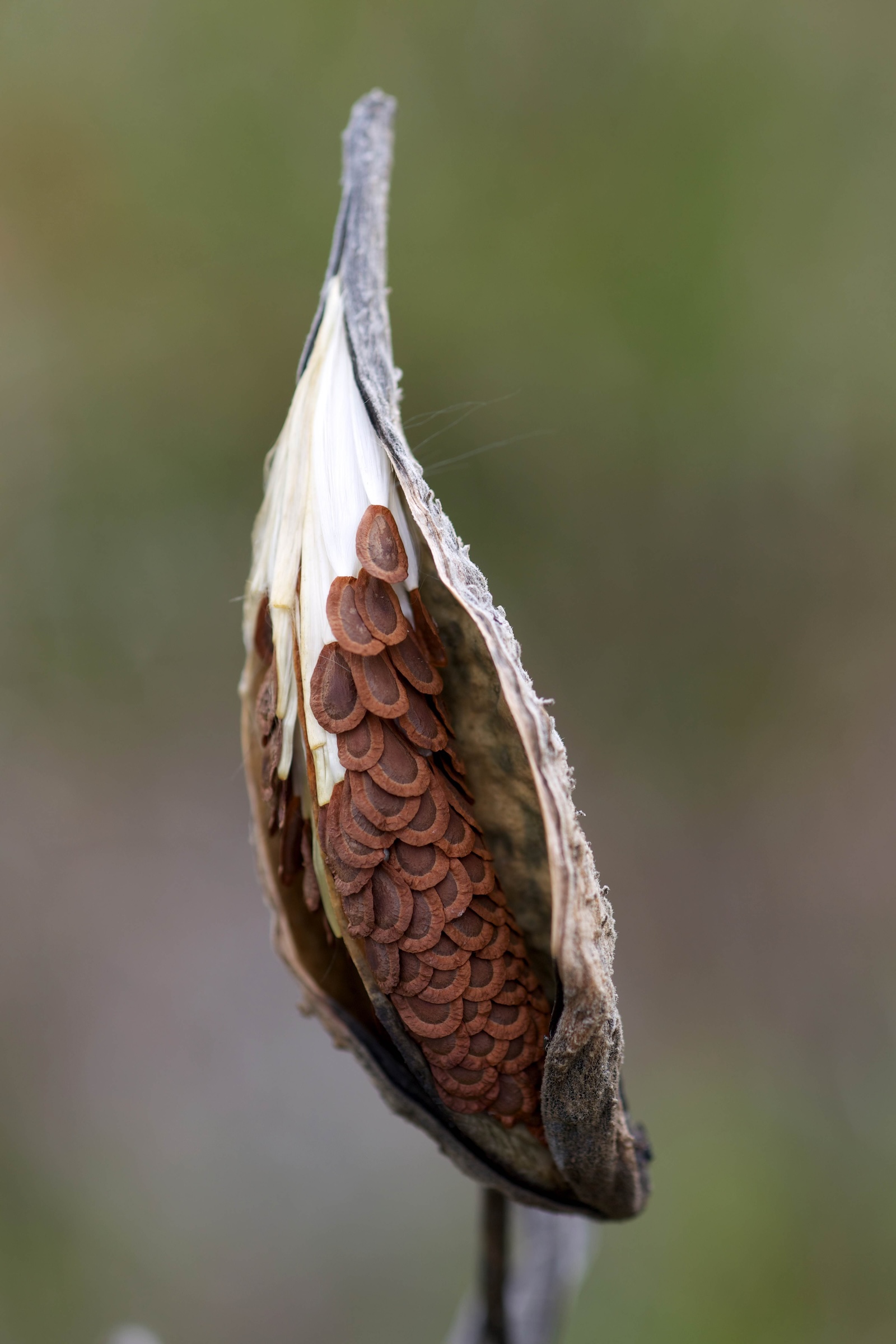
Mature Swamp Milkweed plants produce long seed pods filled with brown seeds, each attached to silky hairs that help them float on the wind.
seedlings in the garden
These young plants were recently added to a rain garden, where they’ll soon provide habitat and beauty for years to come.
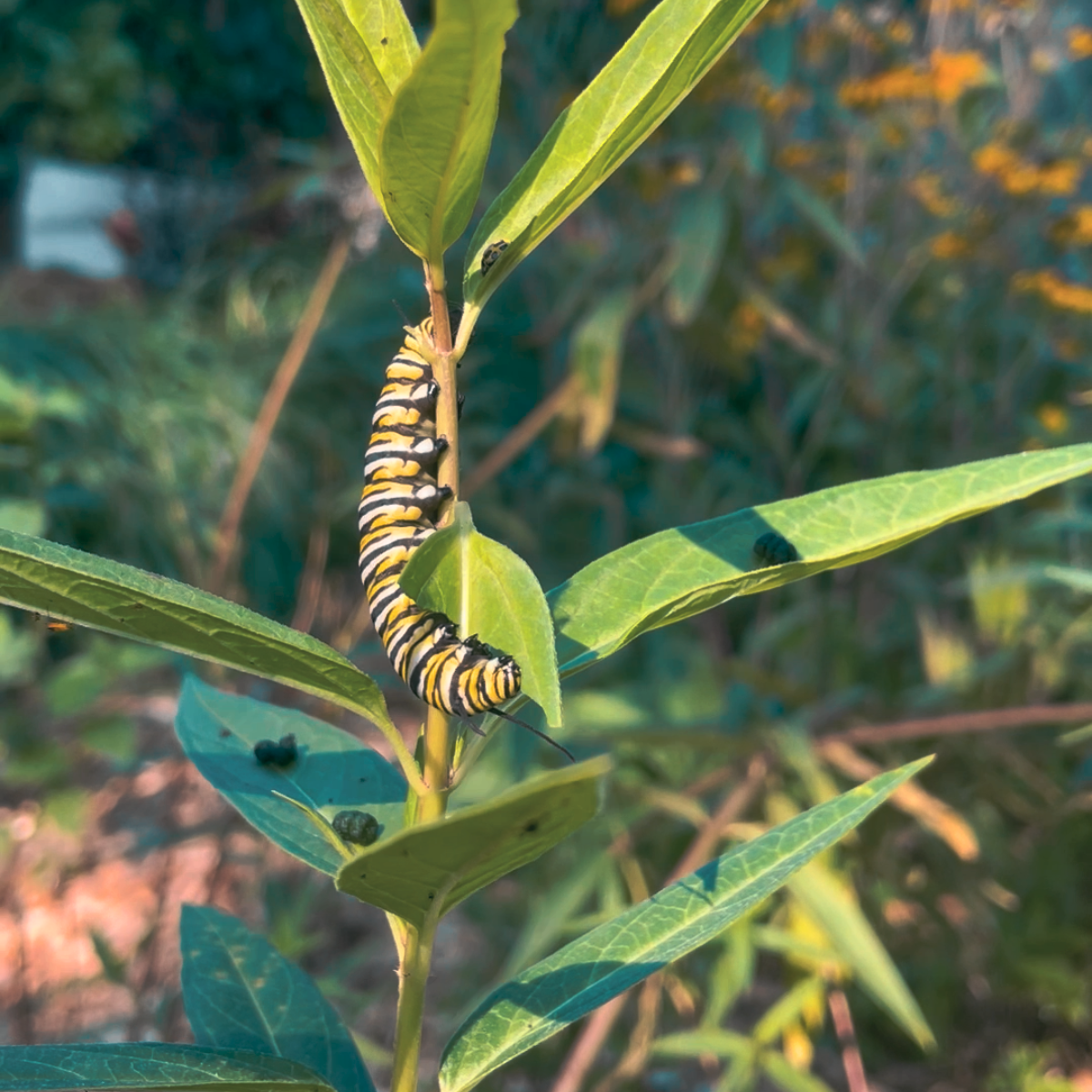
monarch caterpillar munching
A monarch caterpillar snacks on a tender swamp milkweed leaf, a critical stage in its transformation.
early bloom
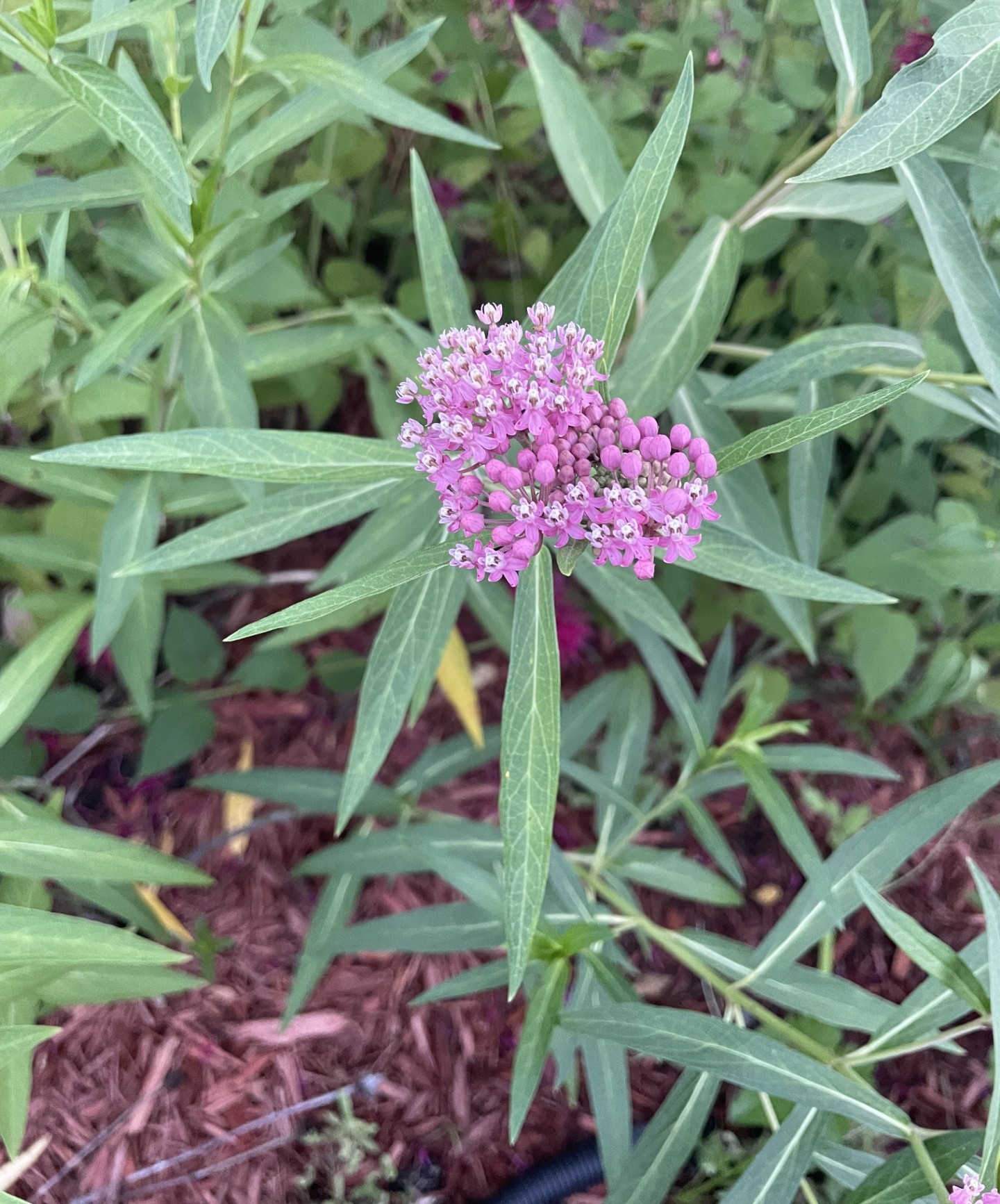
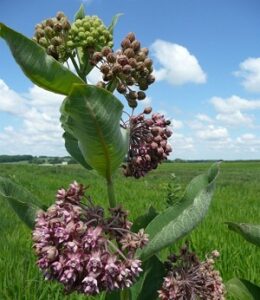
Early summer brings vibrant pink blooms. A fully grown Swamp Milkweed plant can reach 3 to 5 feet tall and will flower through mid-to-late summer.
built for wetlands and rain gardens
True to its name, Swamp Milkweed thrives in wet or moist soils, making it an ideal choice for rain gardens, wetland edges, or low-lying areas in your yard. But it’s surprisingly versatile: it will grow in drier soils too, if given enough water.
The plant’s deep roots do important work:
-
Capture and filter stormwater runoff
-
Hold soil in place, reducing erosion
-
Support underground ecosystems

Whether you’re creating a pollinator patch, restoring a wetland, or just adding some beauty to your garden, Swamp Milkweed is a powerful native plant with big ecological benefits.