
Lessons Learned
from the soil health challenge
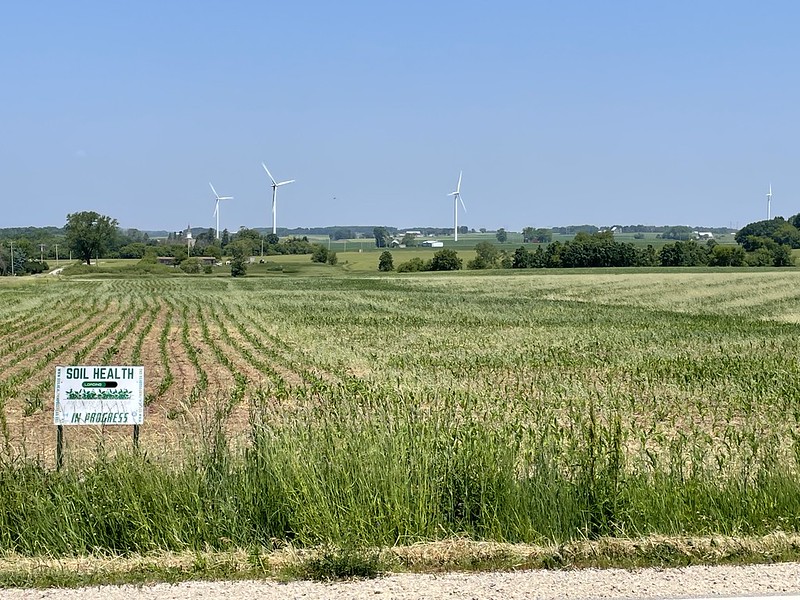
In the fall of 2022, 9 farms across 4 counties planted cover crops on 400 acres. That small beginning quickly grew, and over the next four years, 22 farmers from 9 counties and more than 1,500 acres joined in on the Soil Health Challenge. The Challenge? We challenged farmers across the Fox-Wolf Basin to use cover crops and no-till on the same acres for two years and to share the benefits and challenges that came with it. After hearing what those farmers had to say (and learning alongside them), here are the two biggest lessons we’ve learned:

Getting Started Isn’t Always Easy
Switching over to cover crops and no-till can feel like a big leap, especially if it’s your first time using the practices. There’s a learning curve, and you can quickly feel overwhelmed. Planting a cover crop or trying out no-till for the first time can be quite the experience if you’re not prepared.
What Helped? Having a plan in place makes all the difference. Agronomists, conservation staff, and neighbors are all great resources to use – whether you’re just starting or it’s your tenth season. These folks can be great resources when planning. Many farmers are taking things a step further and are creating contingency plans (having Plans A, B, C, and even D) so that when equipment or the weather doesn’t cooperate, they aren’t left scrambling in the middle of planting or harvest. If you’re new to soil health practices, don’t go at it alone and have a solid plan (plus a couple of backups) to help save time, money, and headaches.
The Weather Can Suck Sometimes…
The weather isn’t always on our side – the rain seems to come when you don’t want it, and the droughts always seem to be lurking around the corner. From last year’s wet spring to back-to-back summer droughts, the swings make it tough to stick to a plan and make it difficult to use cover crops and no-till routinely.
What Helped? Being flexible and proactive is key. Keep an eye on conditions and be ready to pivot. If it looks like we’re in for a dry spring, consider spraying cover crops off a little early to conserve soil moisture. If time isn’t on your side for fall cover crop planting, try other cover crop planting methods like interseeding or broadcasting earlier in the season. While we can’t predict the weather, we can prepare for it and be proactive to change based on whatever is thrown at us.
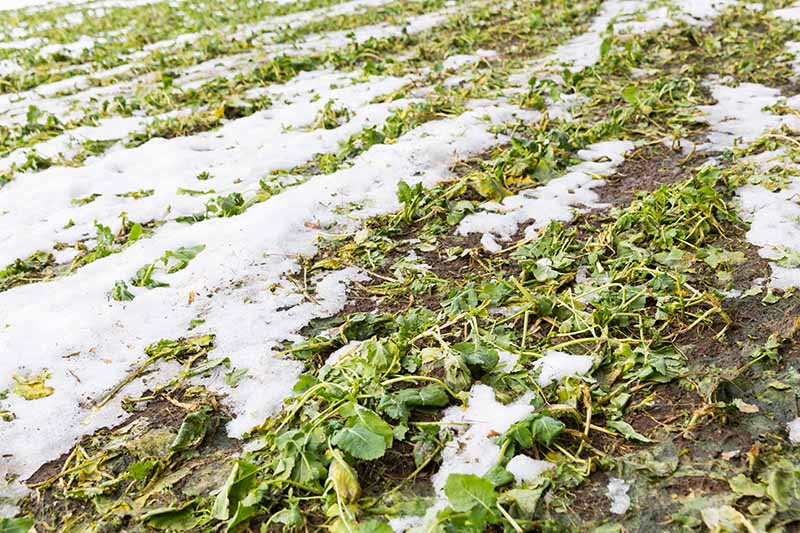
While no two farms (or two seasons) are alike, with a little planning, local support, and willingness to try something new, soil health practices like cover crops and no-till can be successful in even the toughest of conditions. We’re proud of all the farmers who participated in the Soil Health Challenge over the past few years and are excited to keep learning together.
Learn more about the Soil Health Challenge →
Learn More about the Fox-Wolf Agriculture Program →
Thank you to the National Fish and Wildlife Service (NFWF) and Fund for Lake Michigan for funding this project.
