

Fox-Wolf works hand-in-hand with basin farmers to develop water quality solutions that work for all. Agriculture can be viewed as part of the problem, but it’s actually a huge part of the solution. Implementing conservation through continuous cover, perennial conservation practices, and structural conservation practices on agricultural land is an essential step needed to meet our water quality goals.
Farming with Water Quality in Mind
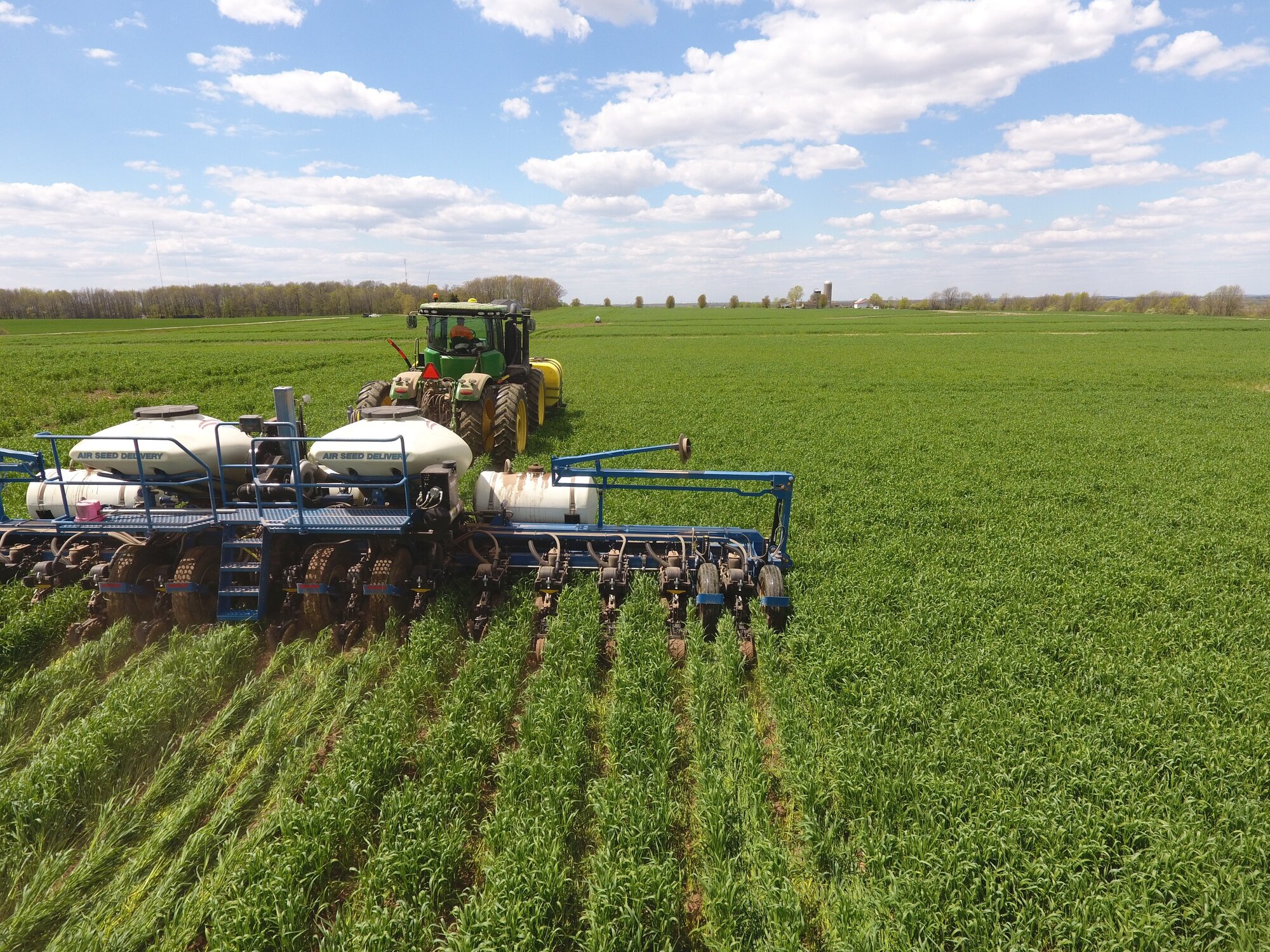
Agriculture is a vital part of the history, community, and economy of the Fox-Wolf Basin, and Wisconsin as a whole. It contributes billions of dollars to the Basin’s economy, provides thousands of jobs, and has become a deeply engrained part of our region’s cultural identity (cheese curds, anyone?). Because of the Fox-Wolf Basin’s unique soil types and climate, farmers are able to grow a wide range of crops – from crops that feed us like potatoes, green beans, sweet corn, and beets to ones that feed cows like corn, silage, soybeans, and hay just to name a few. Agriculture is more than just a sector of the economy, though – it’s part of the solution for improved water quality. For over a decade, Fox-Wolf has been working with farmers across the Basin to implement conservation practices on their fields.
These conservation practices not only work to make our waters cleaner by keeping soil and nutrients in fields and out of Green Bay – they also improve soil health. For farmers, improving soil health also means making fields and crops more resilient to drought and flooding, increasing soil’s ability to hold onto nutrients, creating habitat for worms and microbes, reducing farm input costs, and so much more. These same practices we use improve soil health also reduce the amount of sediment and phosphorus entering our waterways. Whether a farmer is working to add cover crops and no-till into their field management strategy, moving a few marginal acres into a native prairie planting, installing a grassed waterway or two-stage ditch, using low-disturbance methods to apply manure, or even planting the edges of their field with a buffer strip, agriculture is becoming part of the solution across the basin.
watershed solutions
Farming with Clean Water in Mind
Agriculture is a vital part of the history, community, and economy of the Fox-Wolf Basin, and Wisconsin as a whole. It contributes billions of dollars to the Basin’s economy, provides thousands of jobs, and has become a deeply engrained part of our region’s cultural identity. Because of the Basin’s unique soils and climate, farmers are able to grow a wide range of crops. Agriculture is more than just a sector of the economy, though – it’s part of the solution for improved water quality. For over a decade, Fox-Wolf has been working with farmers across the Basin to implement conservation practices on their fields.
These conservation practices not only work to make our waters cleaner by keeping soil and nutrients in fields and out of Green Bay – they also improve soil health. For farmers, improving soil health also means making fields and crops more resilient to drought and flooding, increasing soil’s ability to hold onto nutrients, creating habitat for worms and microbes, reducing farm input costs, and so much more. These same practices we use improve soil health also reduce the amount of sediment and phosphorus entering our waterways. Whether a farmer is working to add cover crops and no-till into their field management strategy, moving a few marginal acres into a native prairie planting, installing a grassed waterway or two-stage ditch, using low-disturbance methods to apply manure, or even planting the edges of their field with a buffer strip, agriculture is becoming part of the solution across the basin.
What is the Issue?
Farmland takes up a lot of space in the Fox-Wolf Basin. In fact, it takes up about half of all acres in both the Lower and Upper Fox Basins. Acre-per-acre, farmland doesn’t contribute a greater amount of pollution to waterways compared to urban areas, there’s simply so much more of it. That said, agriculture does still have an impact on water quality.
Farming’s two biggest contributors to reduced water quality are sediment and phosphorus in runoff. Phosphorus is the nutrient responsible for algae growth, while sediment causes reduced water clarity and carries nutrients like phosphorus with it into the water.
Intensive tillage and exposed soil are the main ways these pollutants make their way into the water. Tillage makes soil light and fluffy. While great for planting, it also makes it more susceptible to becoming sediment in runoff.
Traditionally, fields sit without a crop from October to May. Over this time, soil is exposed and vulnerable to erosion and nutrients prone to washing away in rain and snowmelt.
Together, conventional tillage practices and bare soil create conditions that cause water to runoff fields instead of infiltrate, picking up nutrients like phosphorus and sediment along the way, dumping them into nearly waters.
What is the Issue?
Farmland takes up a lot of space in the Fox-Wolf Basin. In fact, it’s the dominate land-use type in both the Upper and Lower Fox River Basins, taking up about half of all acres in each. Acre-per-acre, farmland does not contribute a greater amount of pollution to waterways when compared to urban areas, there’s just simply so much more of it. That said, agriculture does still have an impact on water quality.
Farming’s two biggest contributors to reduced water quality are sediment and phosphorus in runoff, the nutrient responsible for algae growth from intensive tillage and exposed soil. Tillage makes soil light and fluffy, and while great for planting, it also makes soil susceptible to becoming sediment in runoff. Traditionally, fields sit without a crop from ~October to May, leaving soil exposed and vulnerable to erosion. Together, conventional tillage practices and bare soil create conditions that cause water to runoff fields instead of infiltrate, picking up nutrients like phosphorus and sediment along the way, dumping them into nearly waters.
What does conservation look like on a farm?
Every farm is different, which means that the conservation practices that use vary too. Agricultural conservation practices can be broken down into a few categories: annual, perennial, and structural practices.
Learn a little more about each type:
Annual Practices
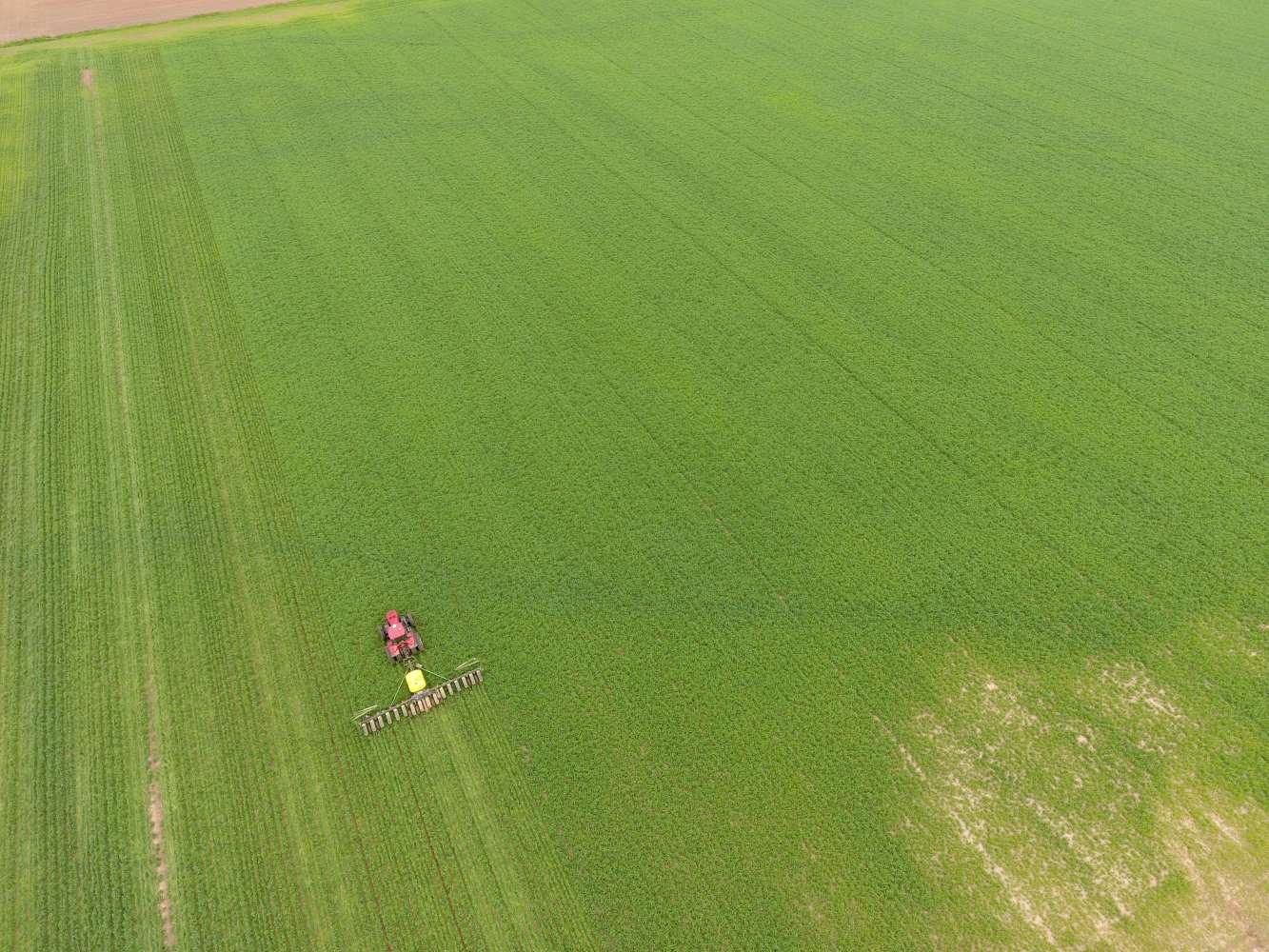
Commonly, many annual practices are used together to make a Continuous Cover System. These practices are done on active farmland. Farmers keep planting their fields each year, but change their management style to keep the soil continuously covered and undisturbed.
These practices work together to improve soil health, while keeping soil and nutrients on the field and out of surface waters. For farmers, this means saving one of their farm’s most valuable resources: its soil. Improved soil health helps reduce costs and makes for healthier crops.
Examples of Annual Practices:
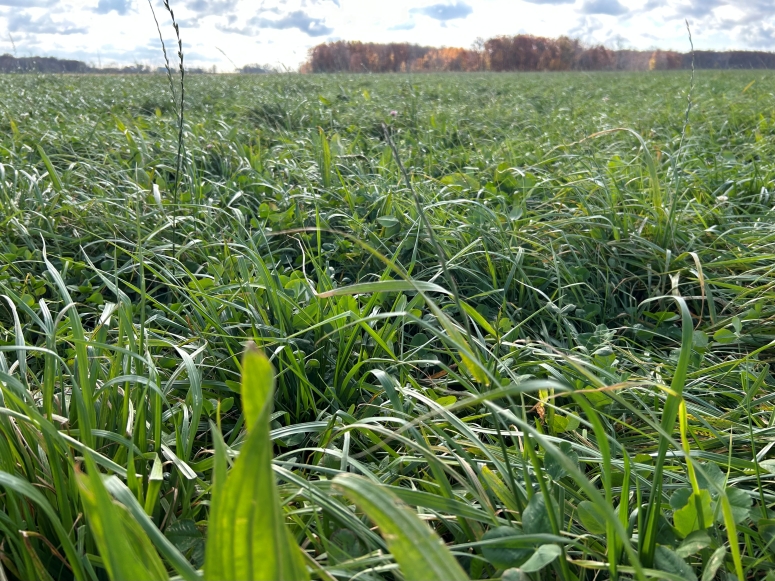
- Cover Crops
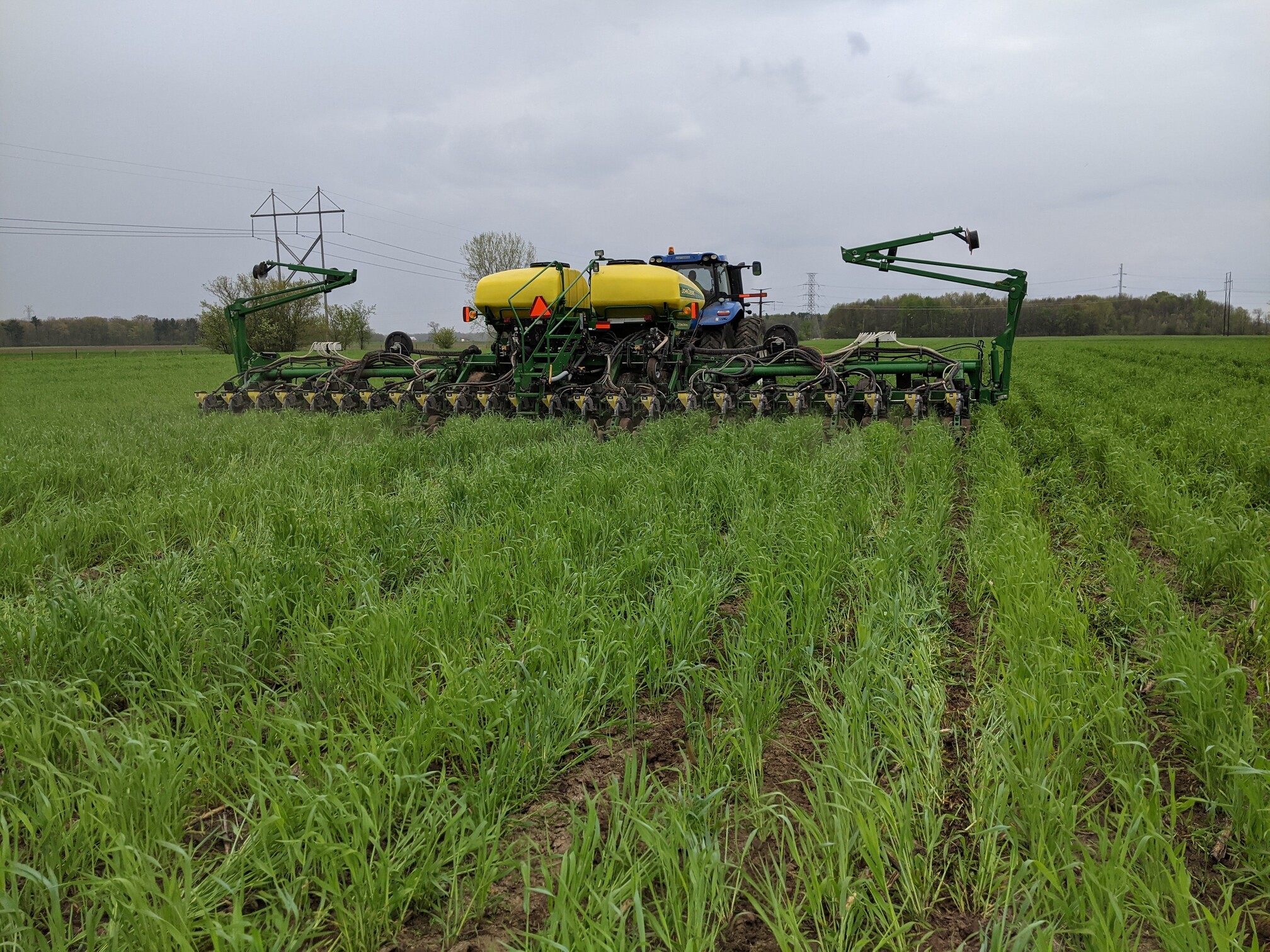
- No-Till and Strip-Till
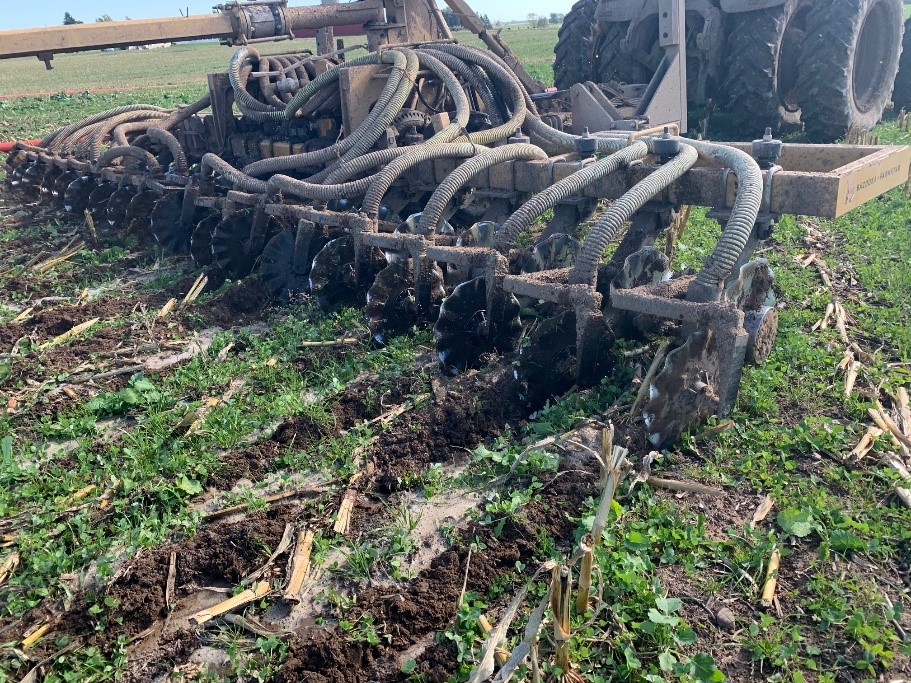
- Low-Disturbance Manure
Perennial Practices
Permanent conservation practices done on marginal farmland can sometimes be the best solution for farmers. Marginal acres have poor soil conditions, often too wet or dry to grow a good crop, and cost more to farm than they profit. By not farming these acres, farmers save time and money.
For water quality, perennial practices help to cover and hold soil and nutrients in place long-term. They also provide areas for runoff to filter, store, and slow before it leaves the field. Aside from improved water quality, these practices provide habitat and reduce flooding and erosion in fields.
Perennial Practice Examples:
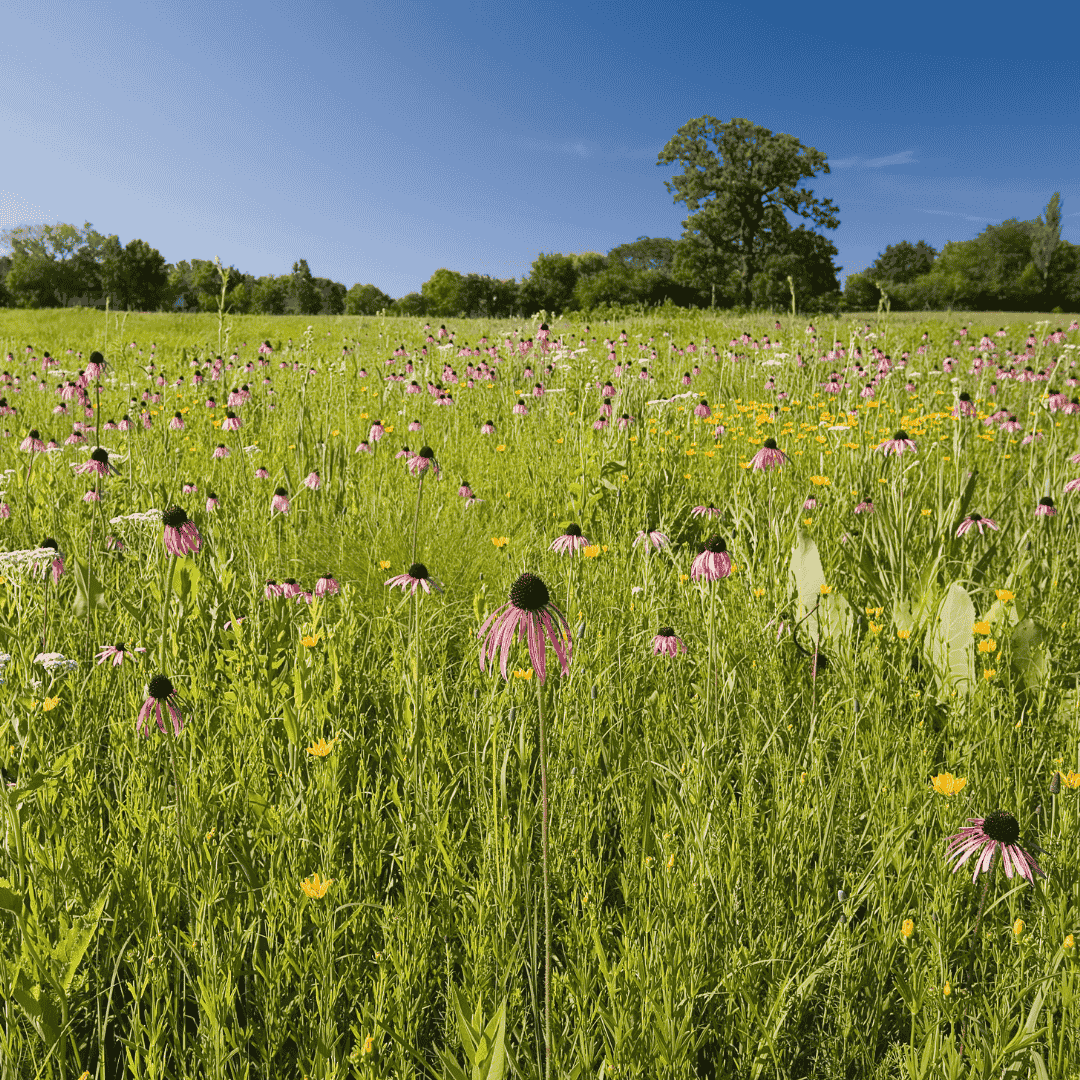
- Native Plantings
- Prairie Strips
- Filter and Buffer Strips
Structural Practices
Structural practices are sometimes the best fit for farmers’ fields and our waters. These constructed practices are effective and efficient, often having a small footprint, but big impact. These practices help to make productive acres even more productive by reducing saturated field conditions and erosion, and improving soil health.
Structural practices vary widely and include everything from ARTS to two-stage ditches. These practices slow and treat runoff water, trapping and holding sediment and nutrients, while also preventing flooding of fields and homes downstream.
Structural Practice Examples:
- ARTS and Sediment Basins
- Wetland Scrapes
- Buffer and Filter Strips
How we Work
Fox-Wolf is working every day to make a difference. Learn more about what we’re doing to improve, protect, and restore the surface waters of the Fox-Wolf Basin.
How we Work
Fox-Wolf is working every day to make a difference. Learn more about what we’re doing to improve, protect, and restore the surface waters of the Fox-Wolf Basin.
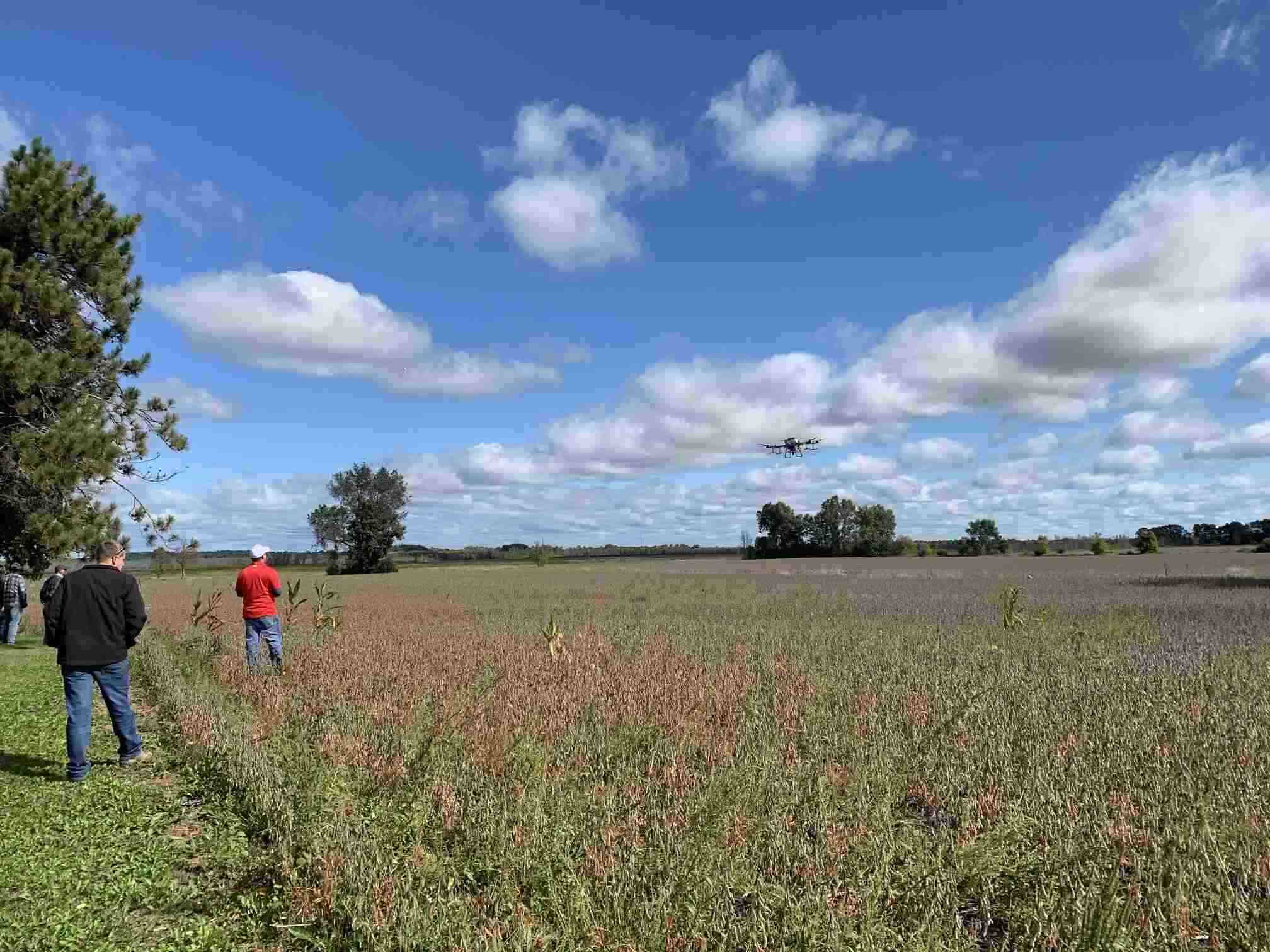
Practices We Use
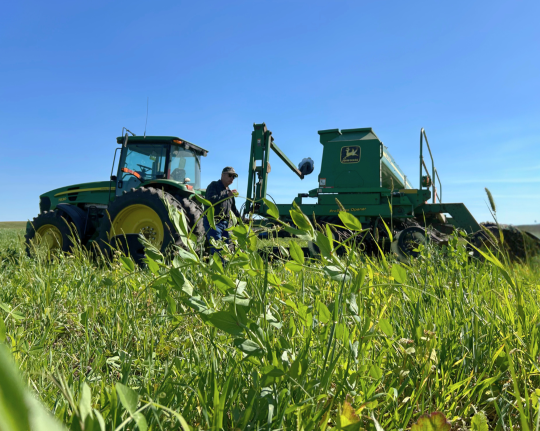
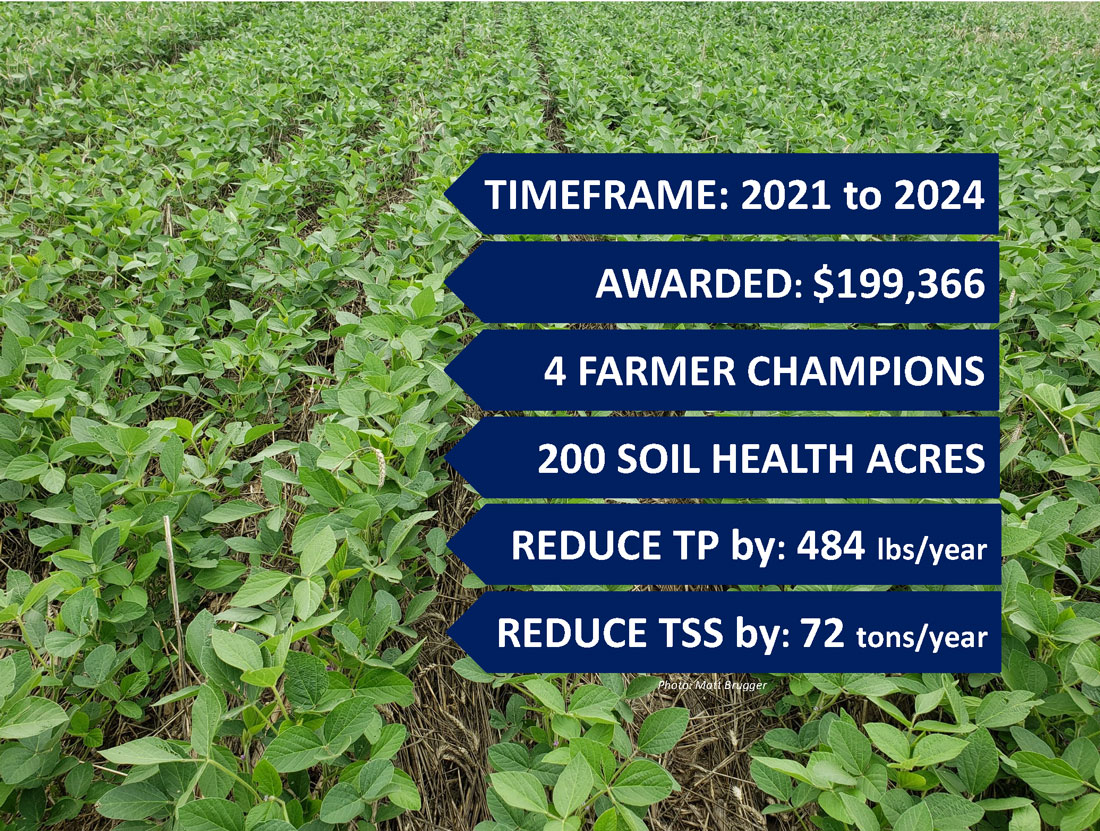
At Fox-Wolf, we use a wide variety of practices to meet conservation goals with our projects. We call these Best Management Practices (BMPs). Depending on the need of the situation, different BMPs may be used. Here’s a look at a few we use for agriculture conservation:

basin buzz
Agriculture Newsletter
The Basin Buzz is a semi-annual mailed newsletter printed and distributed by Fox-Wolf that goes out to about 1,500 farmers and agricultural landowners in the Fox-Wolf Basin.
The Buzz features articles, stories, and updates from conservation staff and farmers about soil health, up-and-coming research and findings, current happenings, farmer stories, project updates, and so much more.
stay in the know
Agriculture Project Updates

Targeted Conservation: Alternative Management for Increased Profits
Target Conservation: Alternative Management for Increased [...]
Spring is Right Around the Corner. Is Your Farm Ready?
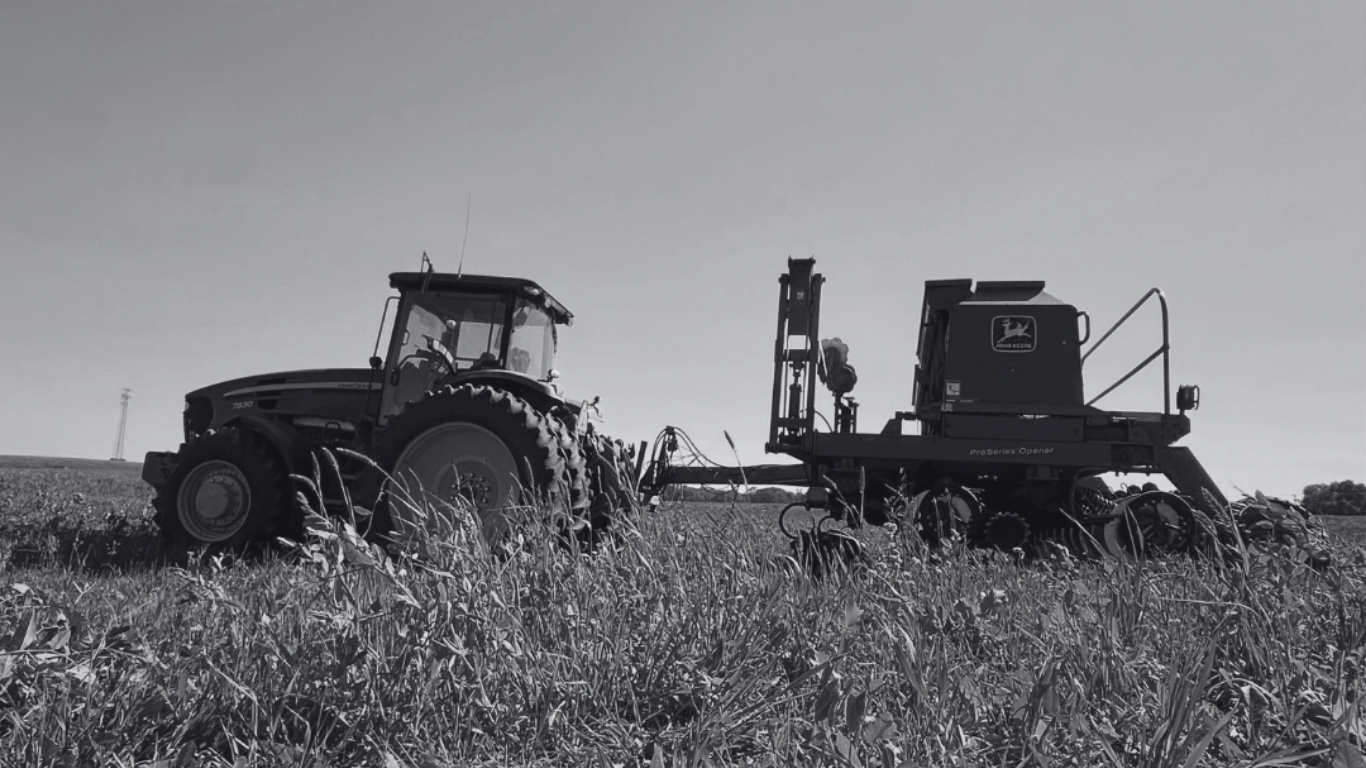
Prepping for Spring: Cover Crop and No-Till Edition Written for [...]
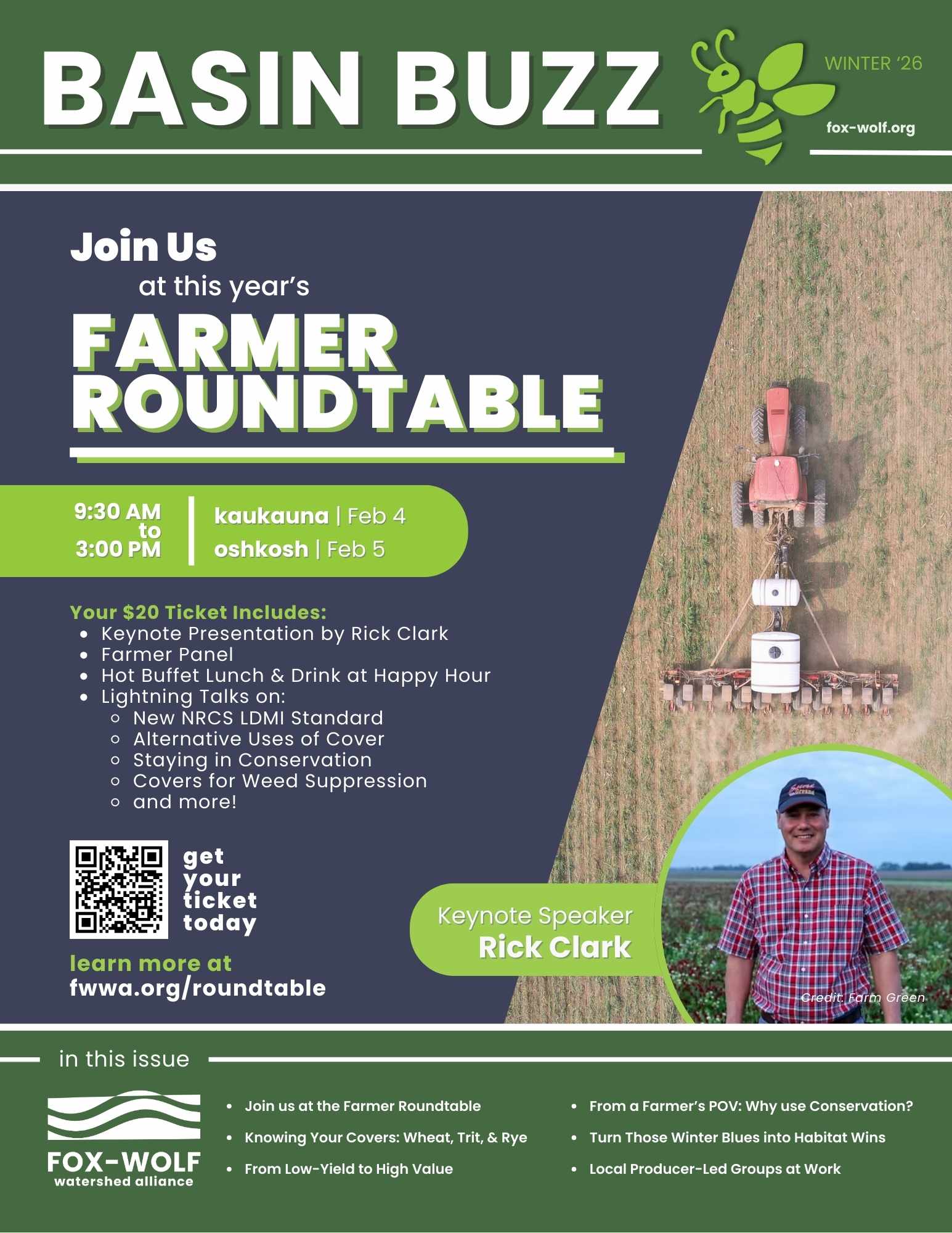
Winter 2026 Basin Buzz
The Basin Buzz is a [...]