
Target Conservation: Alternative Management for Increased Profits
By Johnny Behrendt, Pheasants Forever | Written for the Winter 2025 Basin Buzz
A common deterrent to the incorporation of conservation in farm business planning is the idea that it comes at a cost: fewer acres means less profits. While this may be true in some cases, when conservation practices are implemented strategically utilizing collected farm data, it can become the exact opposite! While most environmental benefits from the installation of conservation on the landscape are well known, such as soil health, water quality improvement, and wildlife habitat, increased farm profitability is not often included in the conservation conversation. Areas of low yield may have a better use for the farm than annual cultivation. The challenge becomes identifying these areas and having economic and environmental data to support alternative management practices.
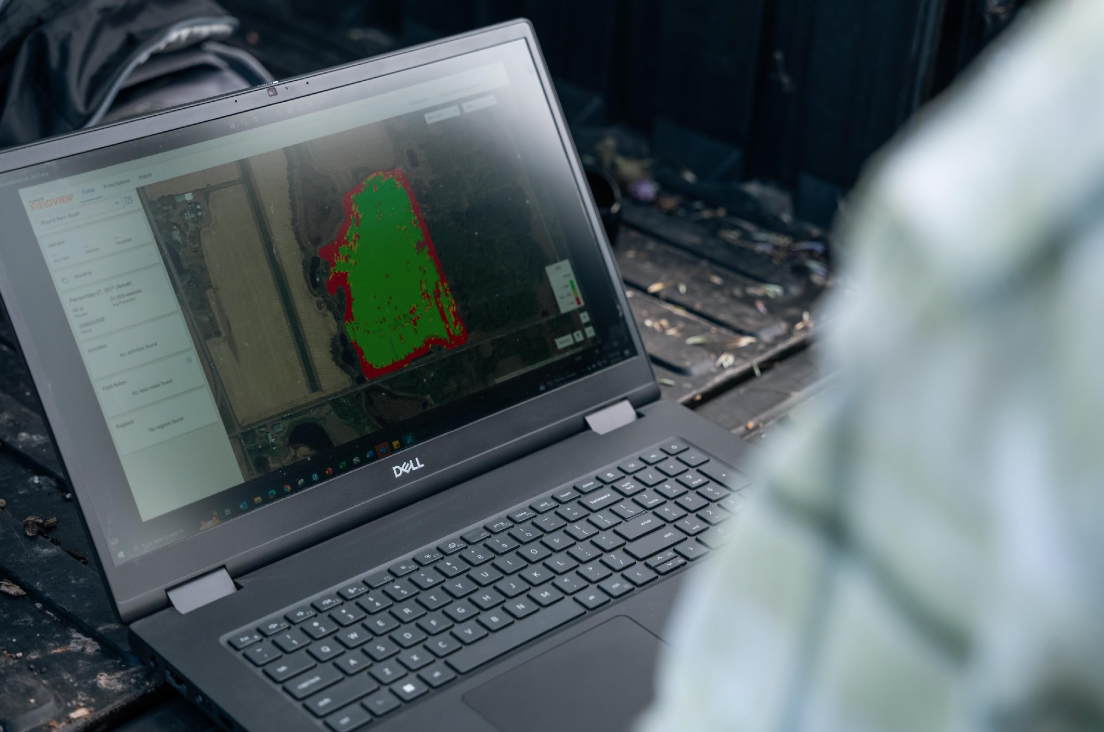
That’s where Pheasants Forever can support the farm. Their Precision Ag and Conservation Specialists work with producers to analyze data already collected on farms to determine where alternative management can improve profits. By using geospatially referenced yield data collected on combines, profit or return on investment (ROI) maps are created to help visualize the areas of profit and loss. After the maps are created, alternative management recommendations are made to provide conservation benefits and improve the bottom economic line! There is a wide variety of options for alternative practices with some of the most common including field borders, pollinator and wildlife plantings, pasture and hay establishment, or trees and shrubs. Through several partnerships, Pheasants Forever will simplify a variety of cost-share and incentive programs that provide funding opportunities that best fit the farm’s goals. The best part, this service comes at no cost.
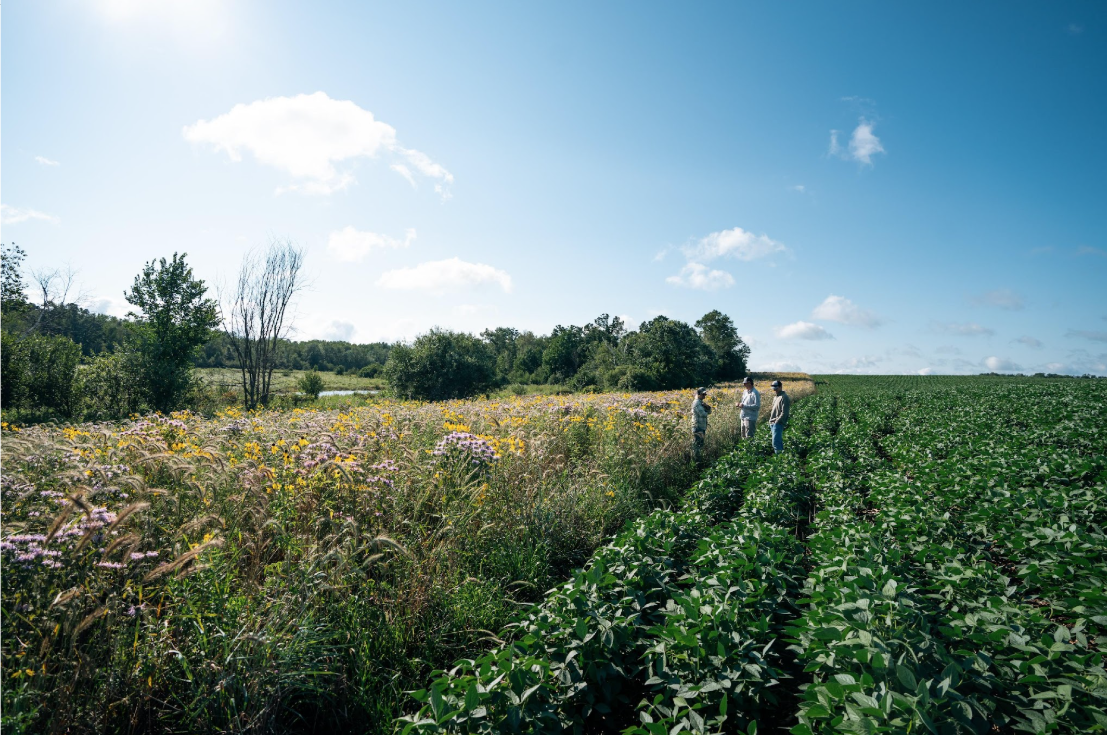
Aside from profitability, the benefits of alternative management are extensive. A field border planted to native perennial grasses and forbs helps slow runoff from the field during rain events and promotes infiltration to groundwater. The root systems of native prairie plants can extend up to 15 feet deep providing soil stabilization and preventing erosion. Another benefit of field borders is the wildlife habitat they provide. From pollinators, deer, upland birds, and even waterfowl, these field edge practices provide food, cover, travel corridors, and hunting opportunities!

But why promote deer habitat right next to the field when deer damage is already an issue? Depending on the farm’s goals, seed mixes can be customized to include desirable forages for deer. The idea is, that if deer want what’s planted on the edge more than the crop in the middle, they will not damage the crops as much. Aside from deer damage, field edges and headlands often see lower yields because of equipment compaction. Consider that these field edges can still be used as turnrows, saving the cropland from receiving the equipment pressure.
Farms are a business, and all crop acres should be evaluated for alternative management options to increase production while also benefiting soil health, water quality, wildlife habitat, and farm profitability. Wisconsin has lost 500,000 acres of grassland habitat over the last 30 years. Planting large fields back to grass can yield great conservation outcomes but often does not fit the business model of farms. To “Farm the Best, Conserve the Rest” and using data collected on the farm we can now determine where the “best” and the “rest” acres are.
Interested in participating? Reach out to Johnny Behrendt at (331) 201-1496 or at jbehrendt@pheasantsforever.org
