

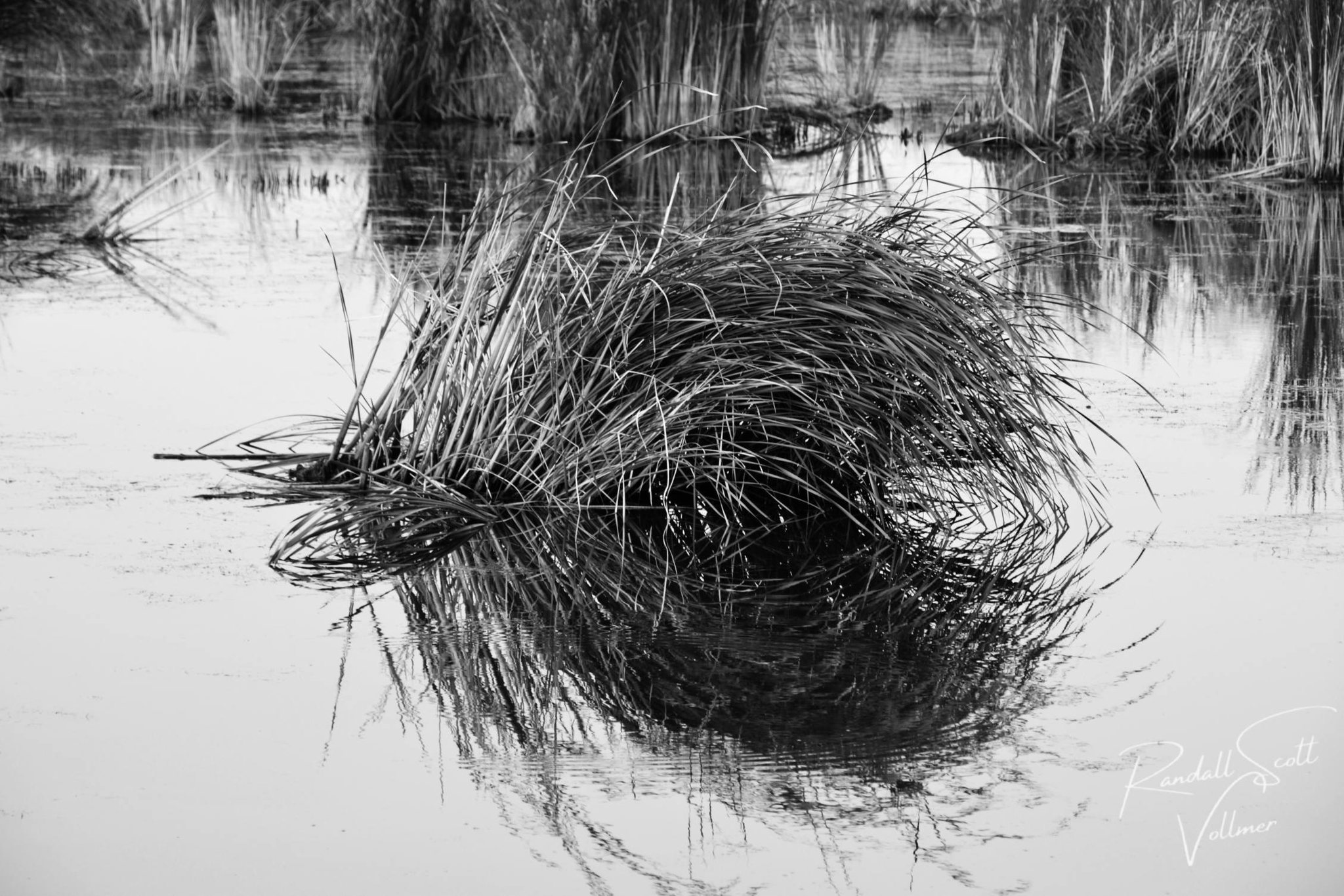
Randall Volmer doesn’t just spend time near water. He studies it.
Since retiring in 2020, he’s been out most days with a camera, watching how light shifts and deciding when to wait and when to click. “I think it’s therapeutic for me,” he said. “It sort of just sort of calms me and relaxes me and puts you in a place of peace.”
His relationship with water started long before photography became a daily habit. “I was kind of already a river rat back when I was a kid,” he said. Water was where he wanted to be.
He started going out nearly every day, often around sunset, letting weather and reflections do what they do. His photographs lean toward darker skies and softer light. “If I look back at a lot of my stuff, it’s kind of what I would almost consider moody,” he said. People have called it “ethereal,” and he’s fine with that.
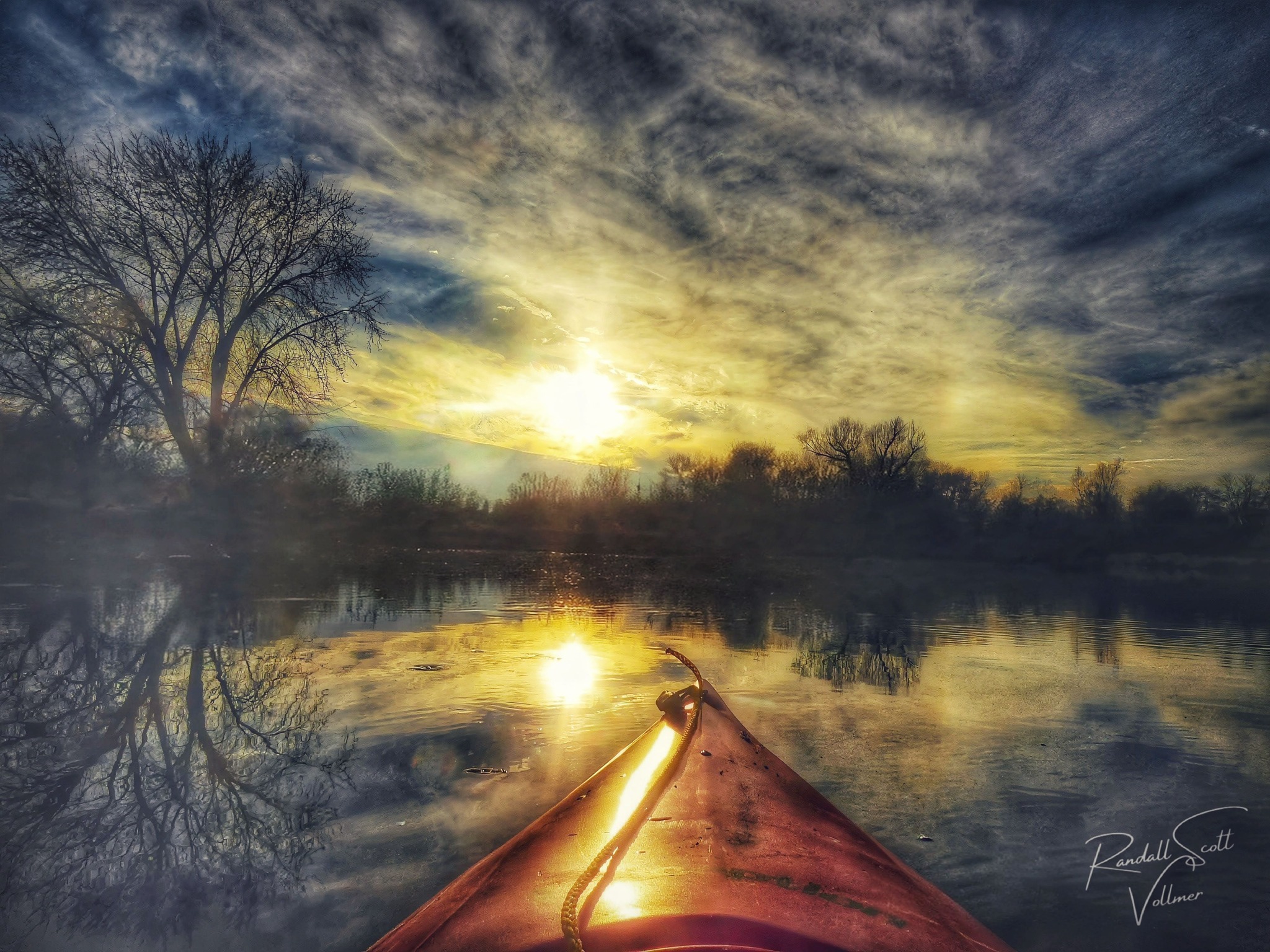
Showing up that often changes what you notice. The water stops being scenery and starts feeling alive. “I’m seeing otters,” he said. “I’m seeing beaver… A mink I saw the other day.” One evening he watched an animal surface and couldn’t place it at first, until the tail lifted and slapped the surface, like punctuation on the moment.
And once your eye gets trained on details, you start catching the ones that don’t belong.
Trash, for one. Not a stray wrapper, but the big stuff that changes a scene immediately: orange safety cones, piles of plastic bottles, even a shop vac floating near a spot where kids had been hanging out and leaving debris behind. “Ah, it’s frustrating,” Randall said.
At first, he did what most people do. He noticed it and kept moving.
Then one day, he couldn’t.
He drifted closer. The camera was still around his neck. The cone bobbed against the bank, bright and impossible to ignore. For a second, his photographer’s brain did what it always does. He looked, framed it, noticed the contrast.
And then he reached for it instead.
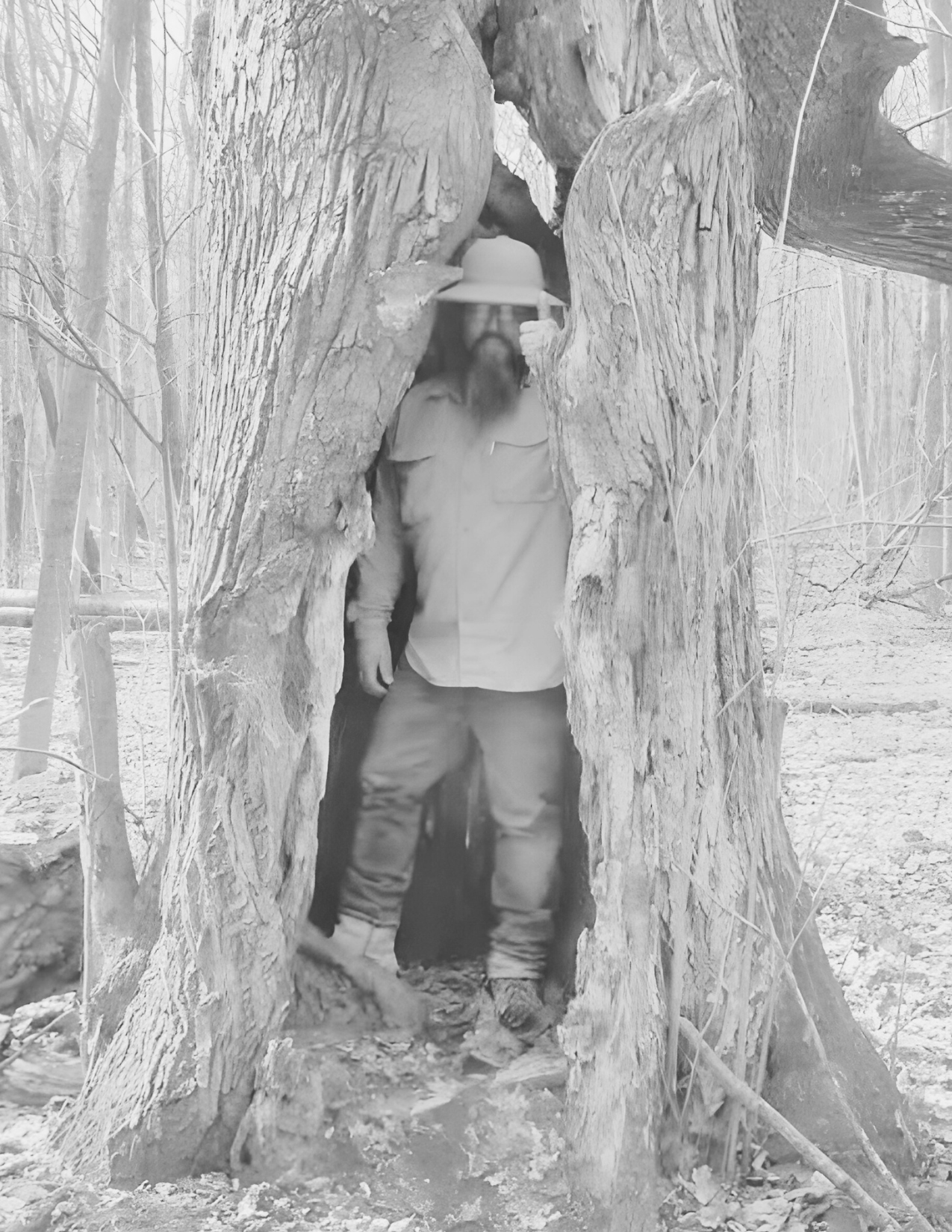
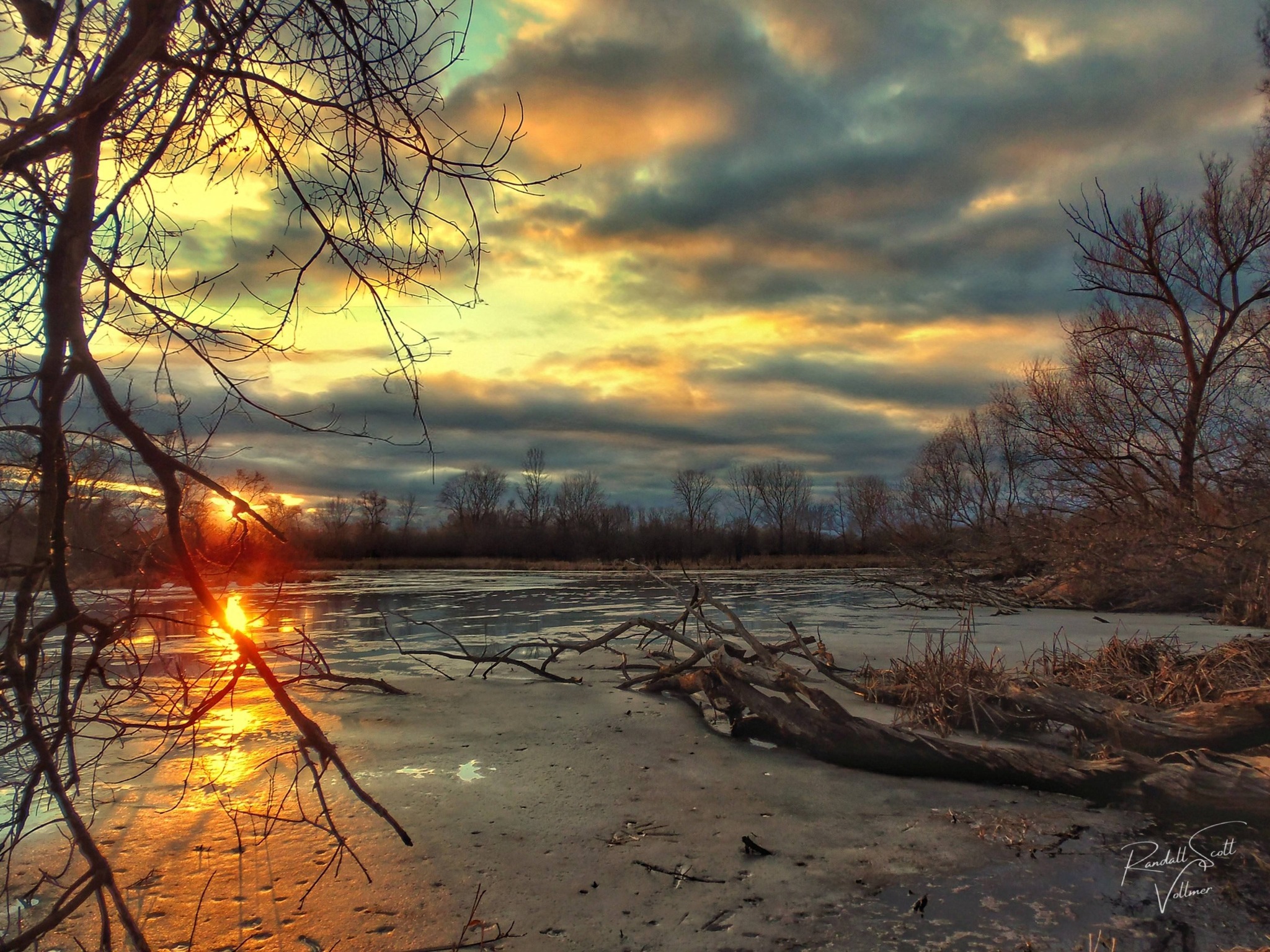
He hauled it into his kayak. He dragged the larger pieces onto the bank and emailed public works to pick them up so they wouldn’t end up right back in the current. It wasn’t dramatic. No one applauded. But something had shifted. He wasn’t just documenting the water anymore. He was participating in its care.
Photography didn’t just give him images. It sharpened his attention, and attention has a way of turning into responsibility.
There’s a simple reason that moment matters. What gets left near water rarely stays put. The next rain can move it from ground to shoreline, shoreline to current, and onward into everything connected downstream.
Randall’s choice to reach for the cone instead of just capturing it is small on purpose, but it’s the same logic behind the annual Fox-Wolf Watershed Cleanup: get there first, remove what doesn’t belong, and keep it from traveling farther.
Randall still goes to the water for what it gives him.
Now, when he lifts the camera to his eye, he’s still looking for light.
He just doesn’t paddle past what needs him.
Watershed Moments is a quarterly publication from the Fox-Wolf Watershed Alliance, sharing true stories of people whose lives have been shaped by water—and the moments that sparked their care for it.
Read more Watershed Moments, or support this work with a donation.