
About the Project
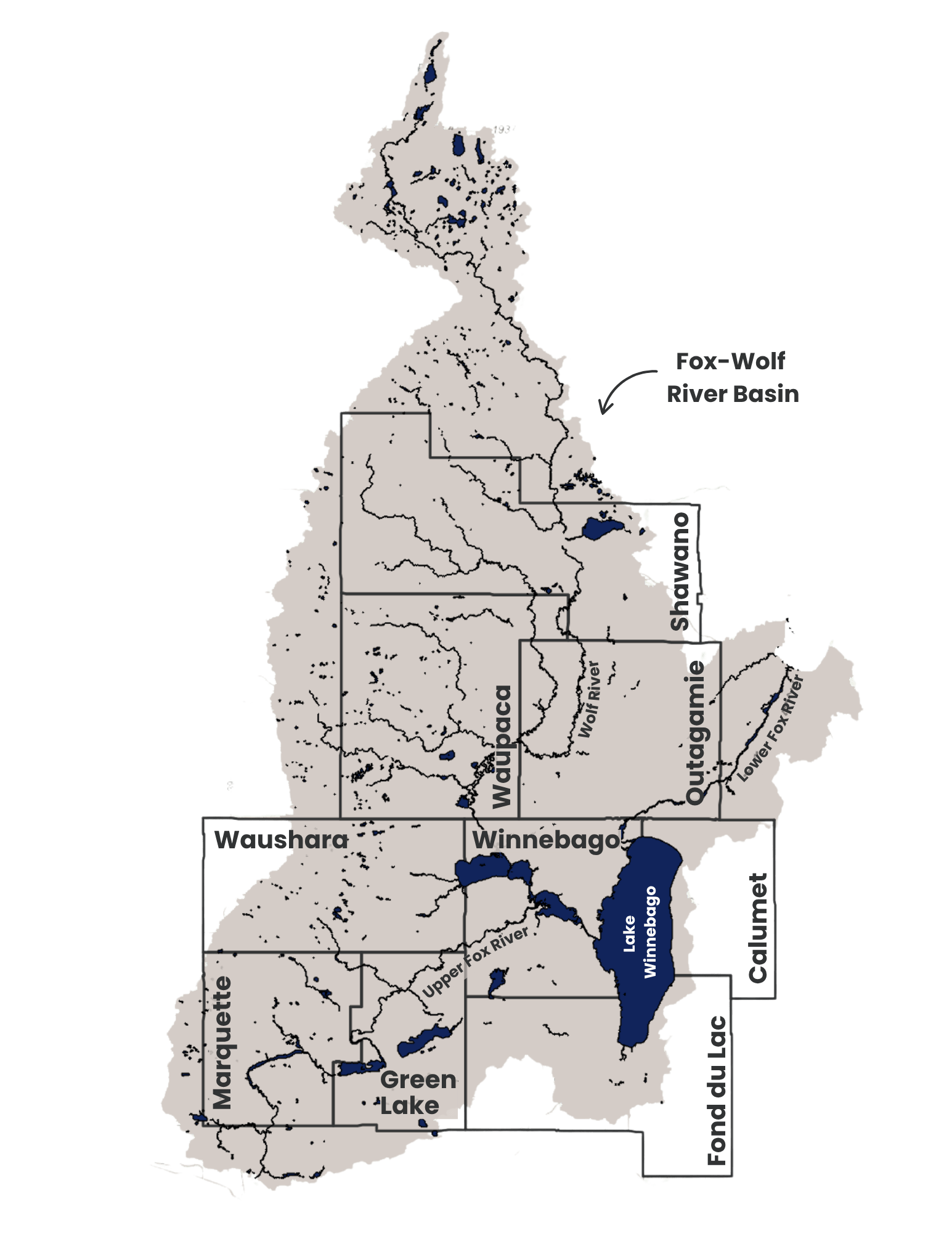
Fox-Wolf Watershed Alliance and nine counties (Calumet, Fond du Lac, Green Lake, Marquette, Outagamie, Shawano, Waupaca, Waushara, and Winnebago) across the Fox-Wolf Basin worked together to get farmers to sign onto the Soil Health Challenge.
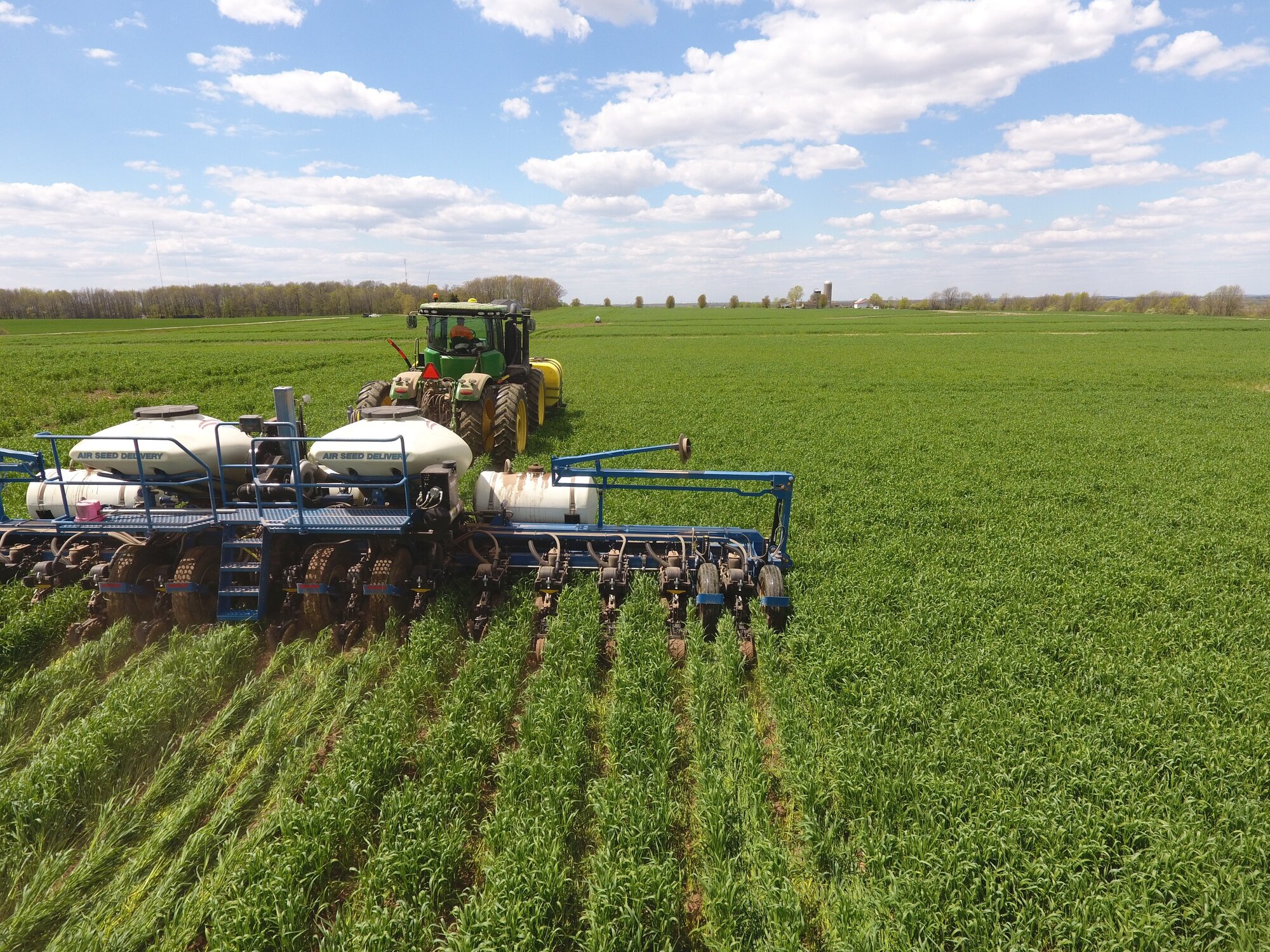
What is the challenge? To implement Continuous Cover, a cover crop and no-till system, on the same fields for two years in a row and document the up’s and down’s that come with implementing new practices.
Check out our project’s goals:
What’s the Problem?
Runoff & soil Erosion
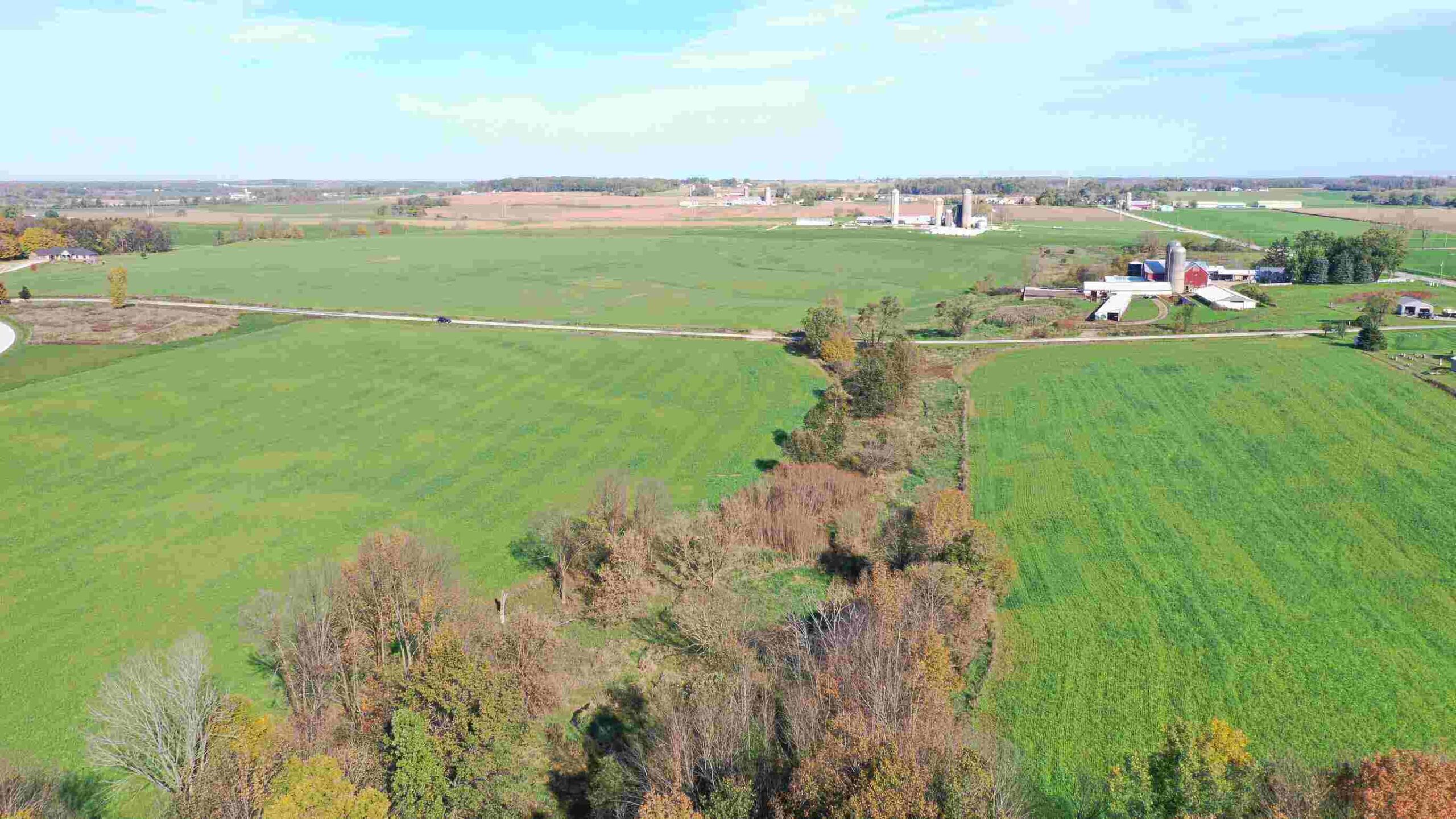
Of the 4.1 million acres of the Fox-Wolf Basin, about 1/4 (or 1,000,000 acres) are agricultural lands. When fields are left tilled and exposed over winter, they are increasingly vulnerable to nutrient and sediment runoff from rain and snowmelt. This nutrient and sediment filled runoff enters our waterways and leads to impaired water quality and algae blooms.
The solution to this problem? Continuous Cover. By keep fields covered and undisturbed all year long, soil and nutrients stay in the field and out of our waterways.
Project Location
The Soil Health Challenge took place across the Fox-Wolf Basin. Nine County Land Conservation Departments – Calumet, Fond du Lac, Green Lake, Marquette, Outagamie, Shawano, Waupaca, Waushara, and Winnebago – had farms participate in the challenge. A total of 24 farms participated, enrolling over a total of 1,500 acres.
Project
information
The Soil Health Challenge ran from the fall of 2022 through the spring of 2025. Thank you to the farmers and counties that participated!
Project Funders

Project Updates
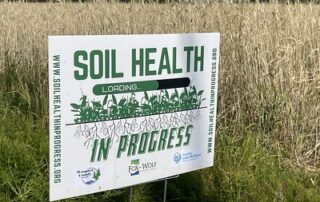
Lessons Learned from the Soil Health Challenge
Lessons Learned from the soil health challenge In the fall of 2022, 9 farms across 4 counties [...]
Winnebago County Soil Health Challenge
Article provided by Winnebago County LWCD. Written by Sheila Smith, Agronomist The Winnebago County Soil Health Challenge (SHC) is a program sponsored by the [...]
Find out if you are eligible for the Winnebago County “Soil Health Challenge”
Soil Health Challenge Winnebago County Land and Water Conservation Department (LWCD) is currently accepting applications for the "Soil Health Challenge" (A Soil Health Demonstration [...]