
Wetlands are, as the name implies, a wet area of land – but they’re more than that. The restoration of these ecosystems is an essential step in not only helping water quality in the Fox-Wolf Basin, but also in solving flooding issues faced by homeowners and farmers alike. Here’s how:
Slow the Flow
Wetland restorations help to slow the flow of runoff water from storm events and snowmelt. Wetland plants and flow channels are all used to help guide and slow down runoff on the land before it reaches a waterway.
Slowing the movement of runoff water is essential in reducing the amount of erosion happening on land, streambanks, and shorelines.

Store the Storm
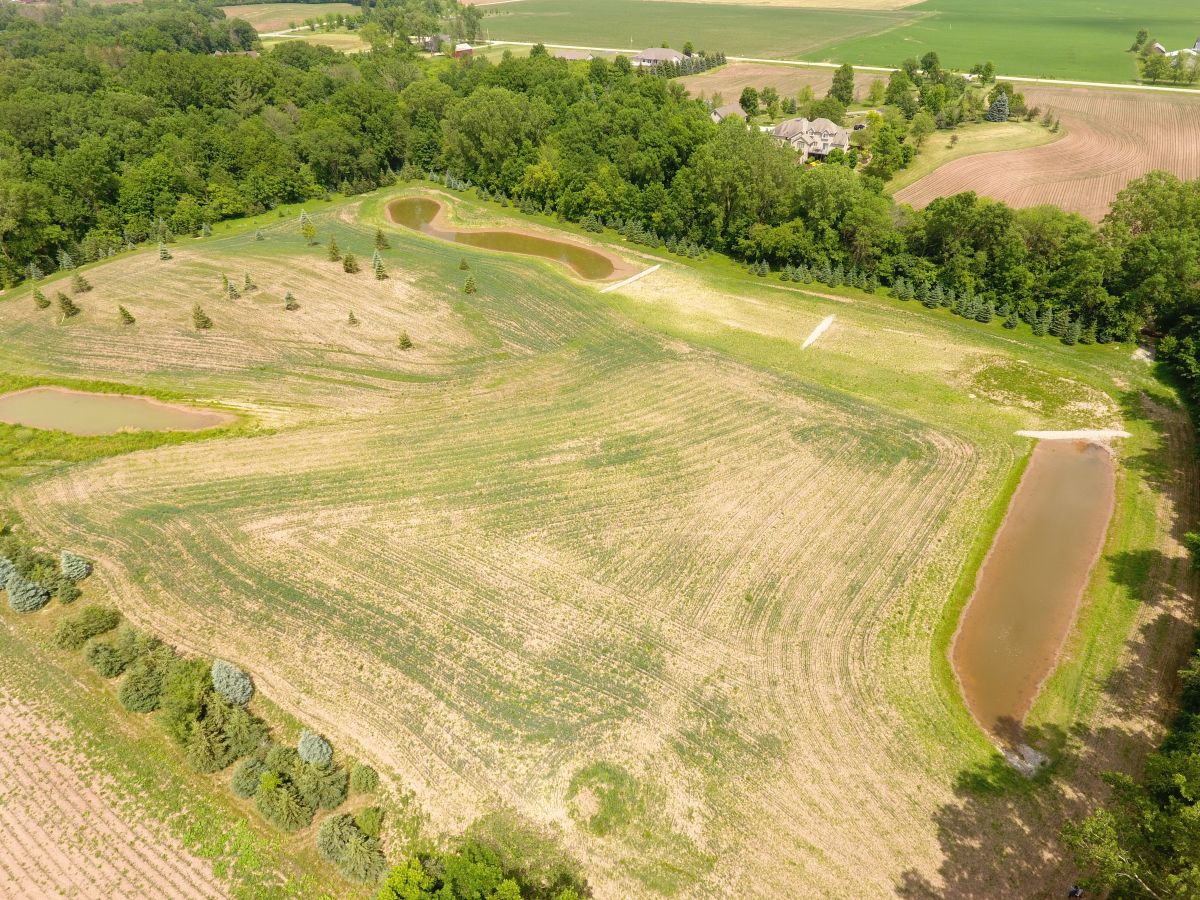
Storing water from storms and snowmelt is another function of wetland restorations. By having a place for excess runoff water to go, wetlands help to control flooding of homes, farm fields, and waterways.
Wetland restorations often involving digging down into the ground and creating places for runoff to go and be treated by wetland plants or infiltrate into the soil.
What is the Issue?
Wetlands once dominated the landscapes of the Fox-Wolf Basin. Sadly, Wisconsin has lost about half of its wetlands. While some still exist across the watershed, the size and quality of these do not compare to what came before them. Historically, these ecosystems had a bad rap – stinky, ugly, wild places. So, they were drained and filled to make way for cities, farm fields, and industry.
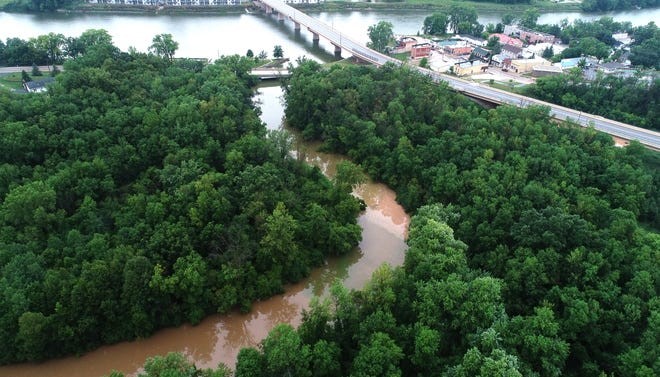
The loss of wetlands over the last few centuries has contributed to a watershed that can no longer handle runoff water from storm events and snowmelt. Streams, lakes, and rivers have been left alone to handle this excess water, unfiltered and often moving too fast for their fragile banks to handle. This has had many negative downstream impacts, including increases in algae blooms, streambank and shoreline erosion, sediment and nutrient pollution, and loss of habitat and food sources for wildlife.
powerhouse plants & soils
The Importance
of wetlands
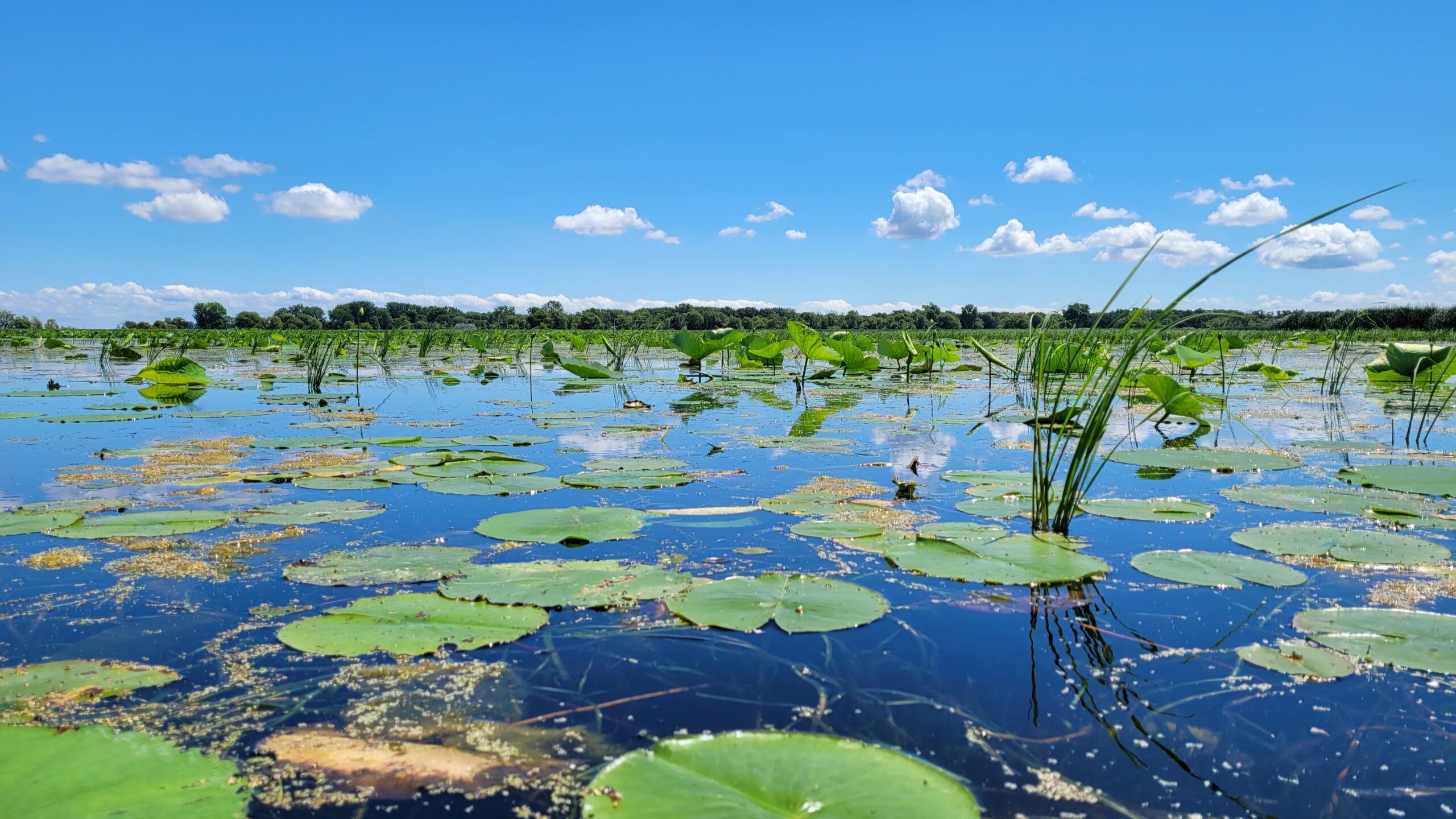
Wetlands act as nature’s water filter, removing nutrients and sediment from runoff water before it reaches a waterway. This filtration improves water quality. How does it work? Wetlands do this by slowing, filtering, and infiltrating runoff water and its pollutants. Wetland plants and soils are powerhouses when it comes to sucking up and holding onto water and nutrients. They also work to settle sediment out of the water. By removing sediment and nutrients from the water, wetlands improve water quality downstream. Wetlands also serve as a place for water to go, even in the biggest storms and during the wettest times of the year. Upstream wetlands help to prevent flooding downstream. By slowing and storing water, wetlands reduce the amount of streambank and shoreline erosion happening in the watershed.
Those same wetland plants and soils that remove sediment and phosphorus make for some of the most productive ecosystems on the planet. Each wetland can be home to thousands – or millions – of plants, birds, fish, amphibians, reptiles, and invertebrates. The consistently moist and rich soil makes for the perfect environment for thickets of wildflowers, aquatic plants, trees, and shrubs to grow. These plants come together to create the perfect home for all kinds of animals.
How
We Work
Fox-Wolf is working every day to make a difference. Learn more about how we’re doing to improve, protect, and restore the surface waters of the Fox-Wolf Basin.

Practices We Use
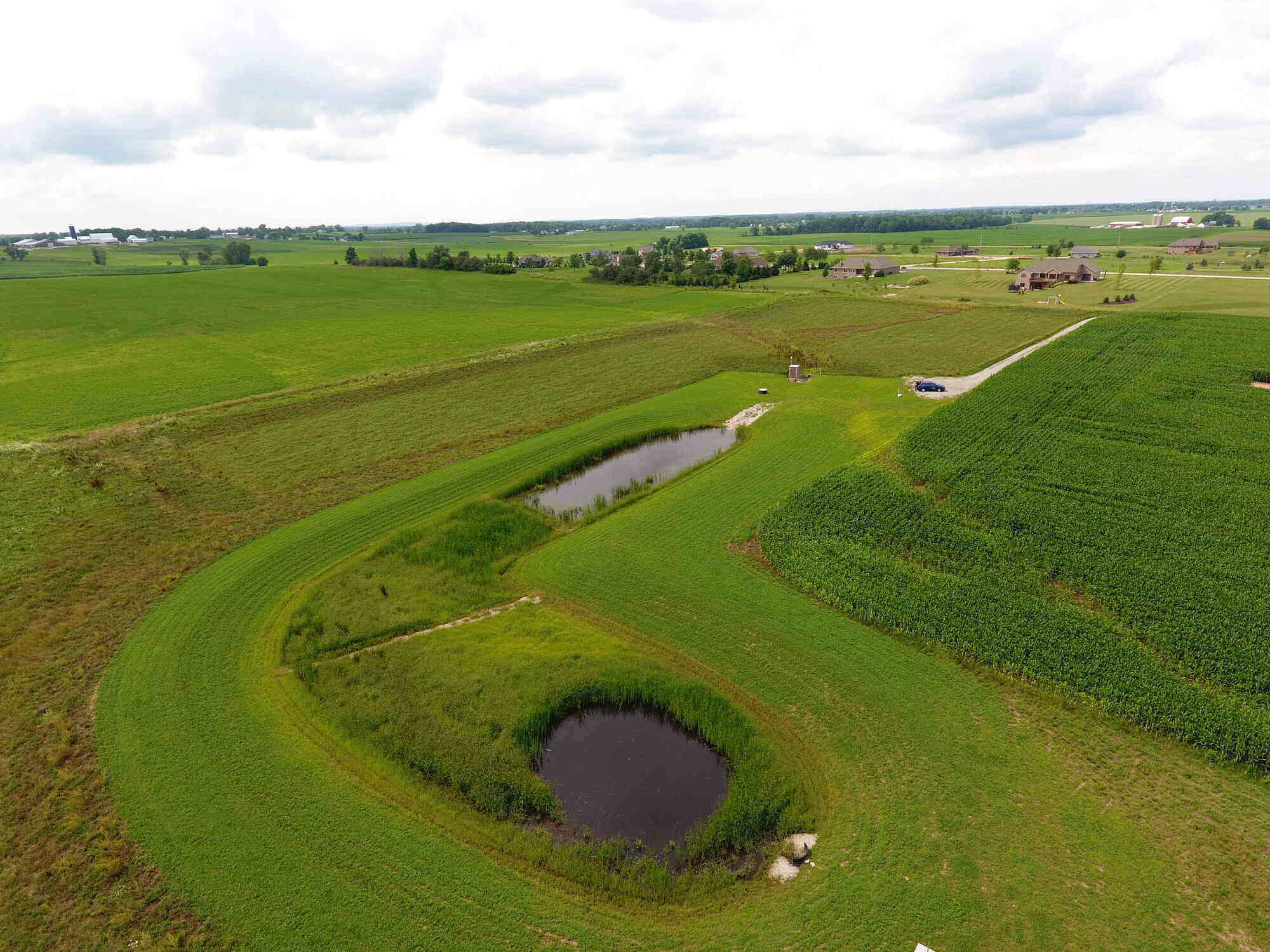
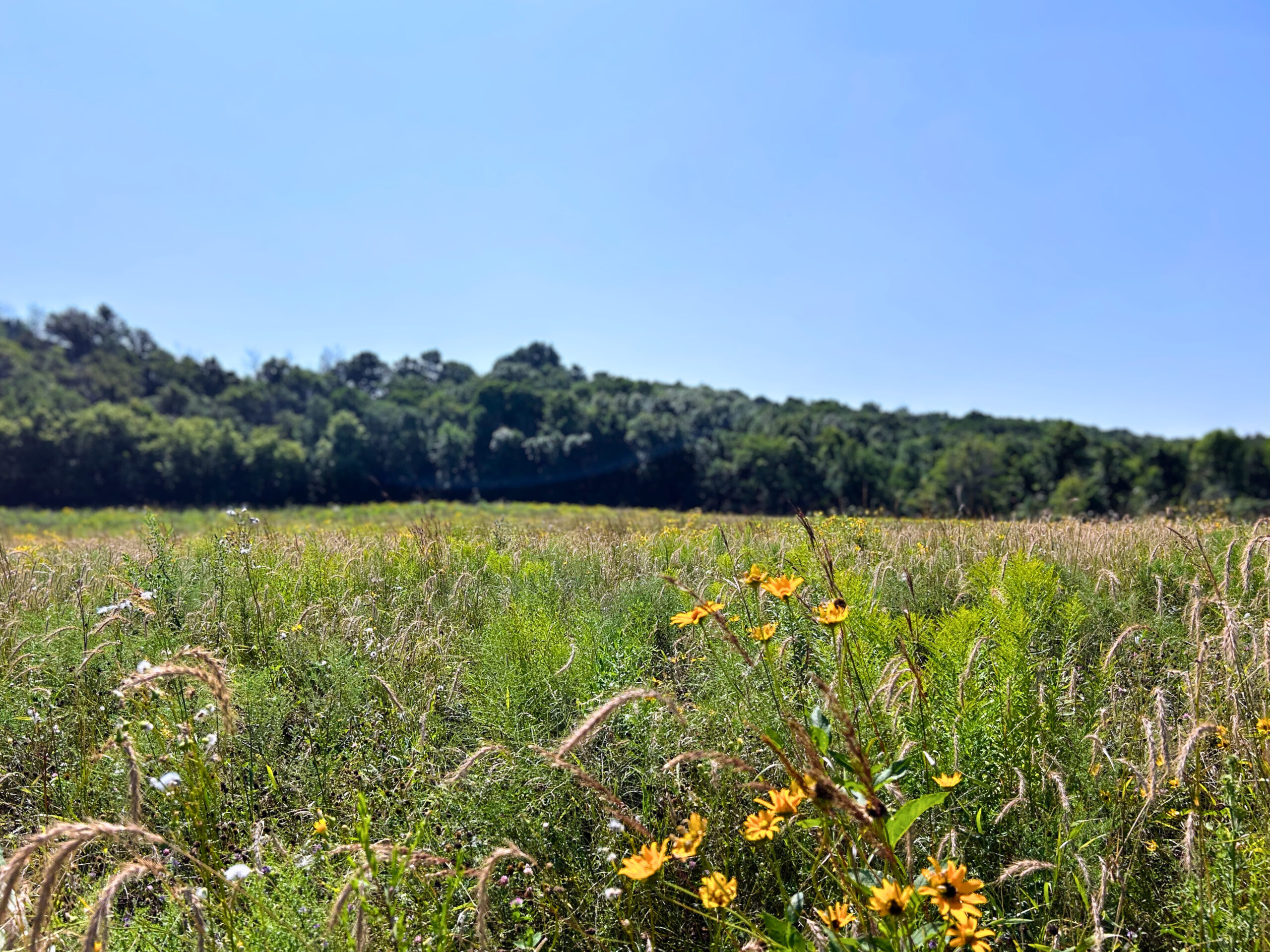
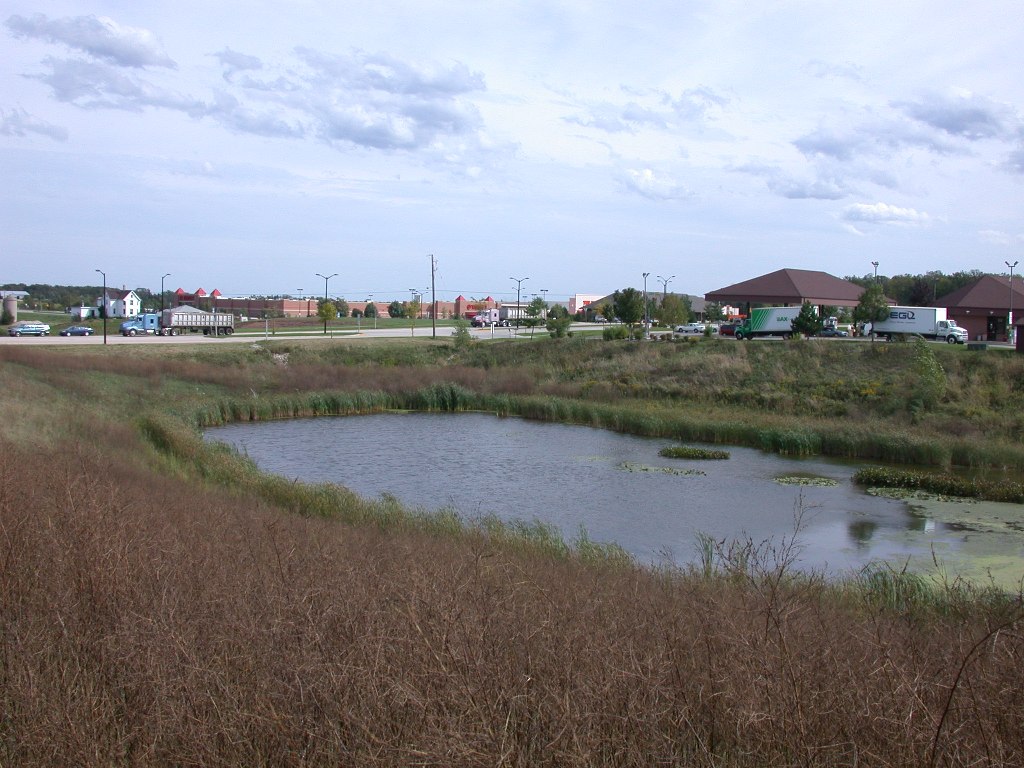
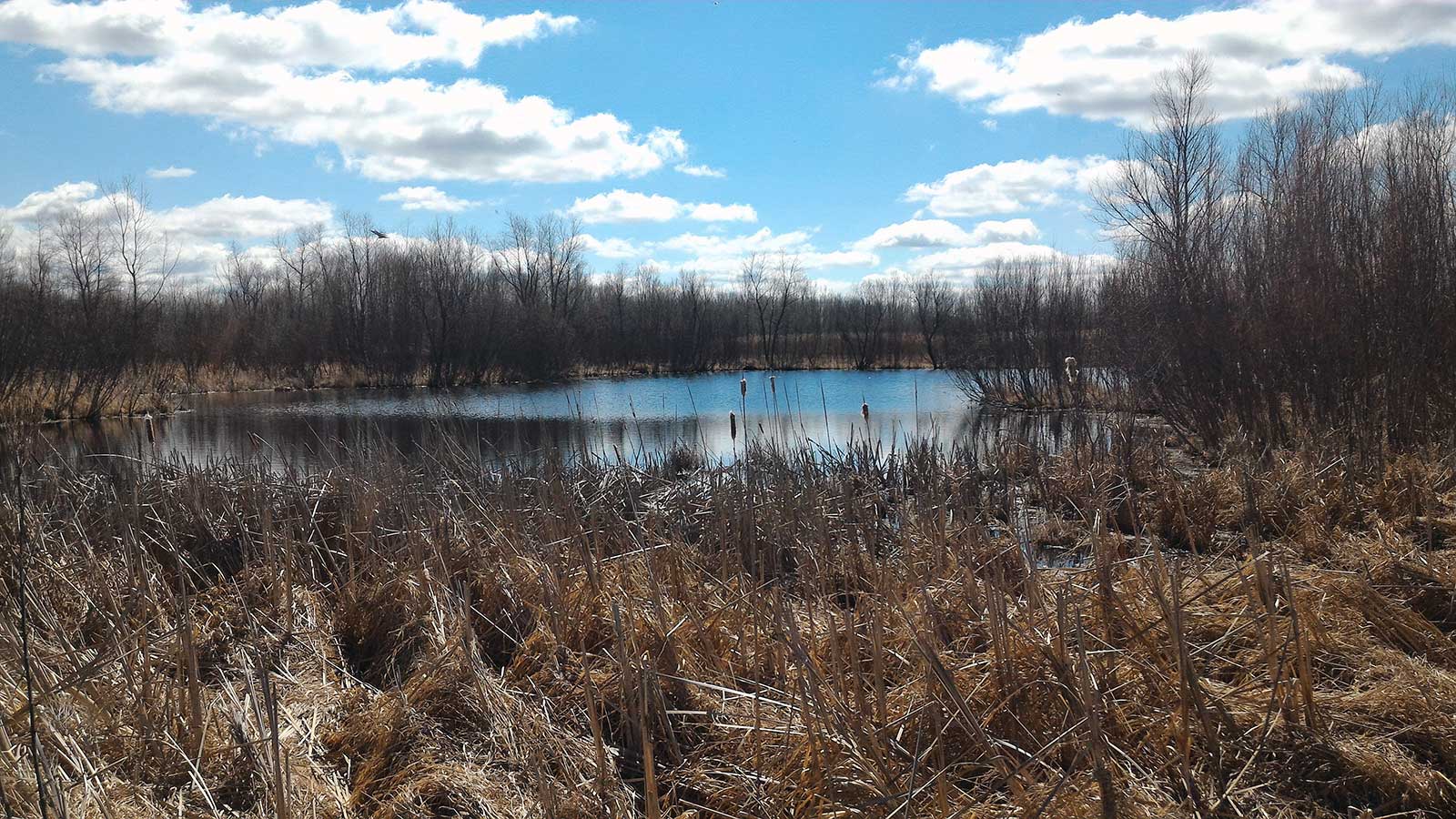
At Fox-Wolf, we use a wide variety of practices to meet conservation goals with our projects. We call these Best Management Practices (BMPs). Depending on the need of the situation, different BMPs may be used. Here’s a look at a few we use for wetland restoration:
stay in the know
Wetland Project Updates
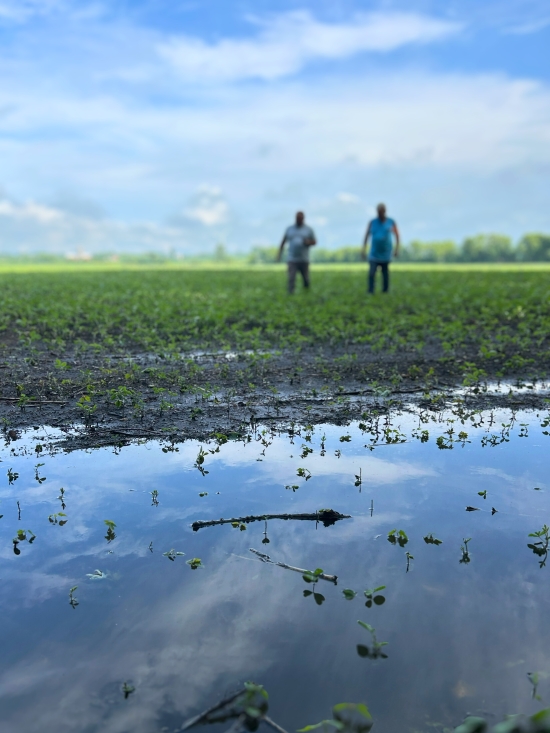
Turning Fields into Filters┃New Project Announcement
Turning Fields into Filters New Project alert! New Project alert! Turning Fields into Filters Exciting news! Fox-Wolf Watershed [...]
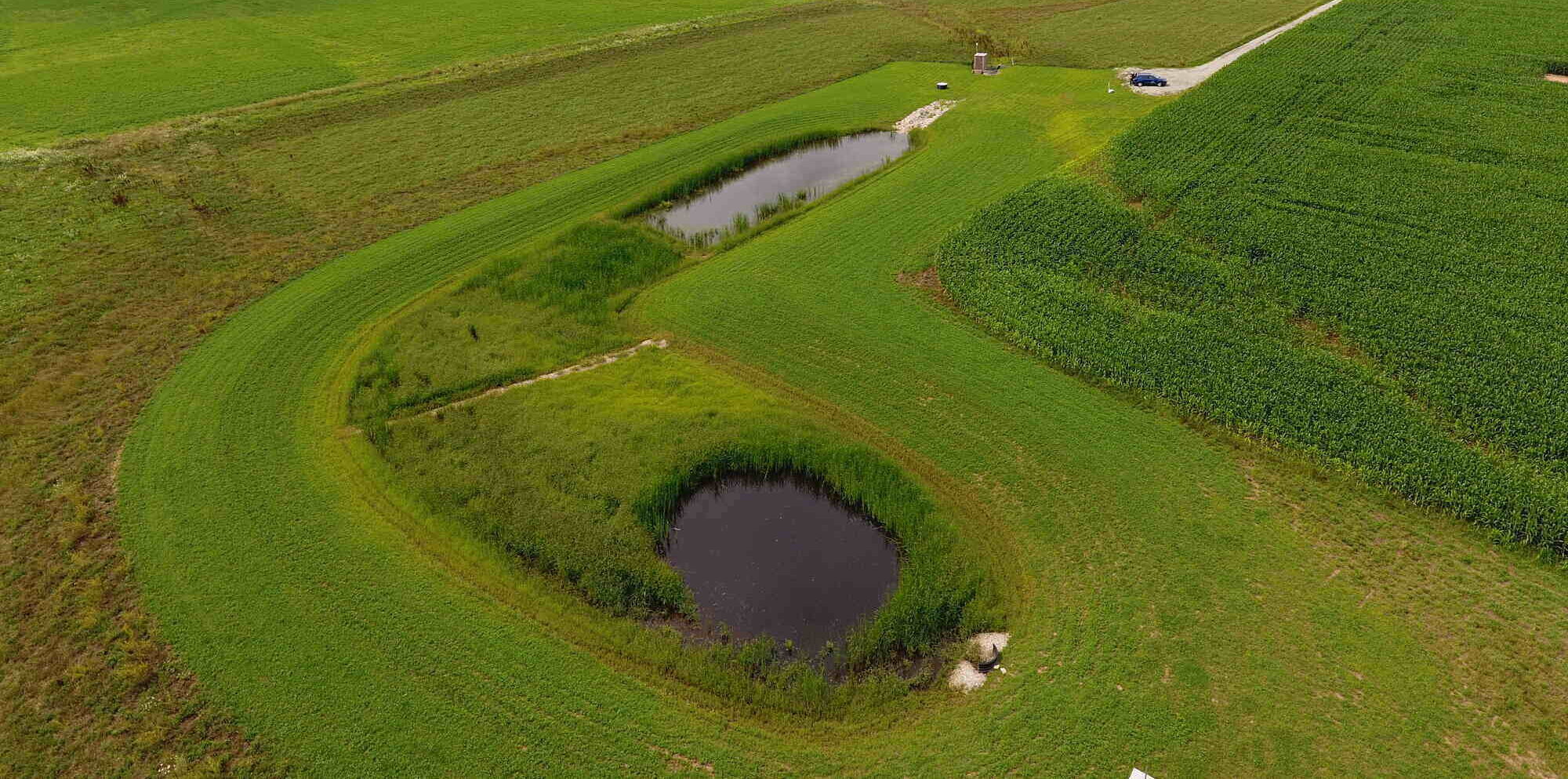
New Runoff Treatment System to Help Protect Lake Winnebago and Reduce Flooding Risks
Fox-Wolf is excited to announce an Agricultural Runoff Treatment System, or “ARTS,” will be constructed in the Town of Calumet, designed to significantly reduce [...]
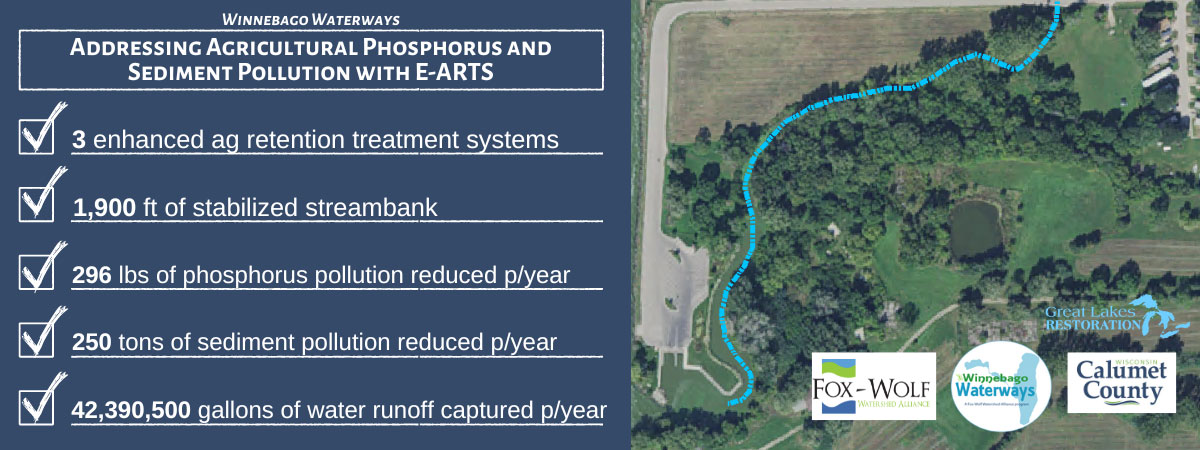
Addressing Phosphorus and Sediment Pollution in the East Winnebago Watershed
Subscribe to receive updates Project Overview The Winnebago Waterways Program (WWP) at Fox-Wolf Watershed [...]