
Native Plantings
| Practice Details
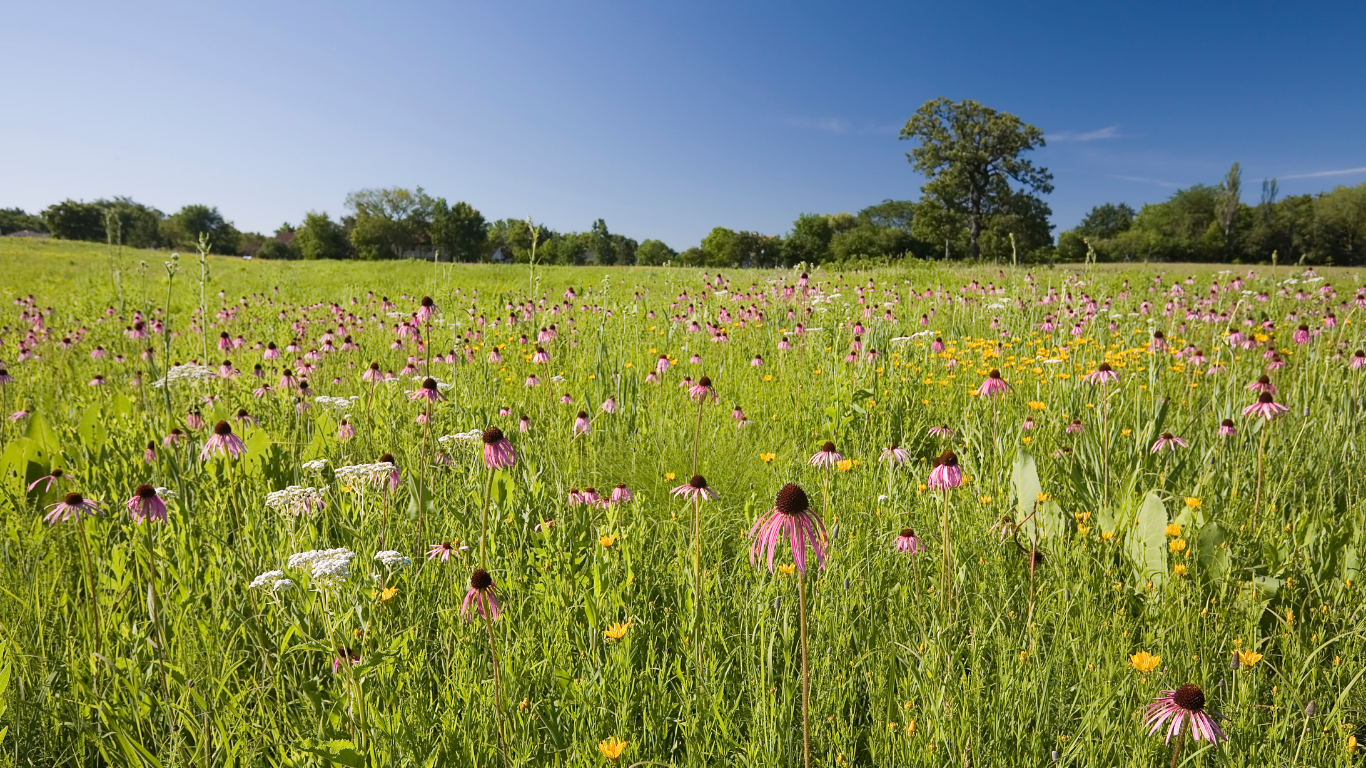
Native plants are workhorses when it comes to water quality, wildlife habitat, and soil health. They help soil and filter runoff, keeping soil on the field and out of surface water while also providing forage for wildlife.
USES: Prairie Plantings, Harvestable Buffers, Wildlife Habitat Plantings, Prairie & Filter Strips, Field Borders
INCENTIVE TYPE: Flat-rate, see below
NRCS STANDARDS: Conservation Cover (327), Field Border (386), Filter Strip (393)
Incentive Rates & Uses
Ready to enroll?
Get in touch with Fox-Wolf Watershed Alliance or your County Land Conservation Department to get started!
We will walk you through the application process and help you figure out what practices best fit your needs and goals.
Fox-Wolf Watershed Alliance
This material is based upon work supported by the U.S. Department of Agriculture, under agreement number NR233A750004G071. Any opinions, findings, conclusions, or recommendations expressed in this publication are those of the author(s) and do not necessarily reflect the views of the U.S. Department of Agriculture. In addition, any reference to specific brands or types of products or services does not constitute or imply an endorsement by the U.S. Department of Agriculture for those products or services. USDA is an equal opportunity provider, employer, and lender.