
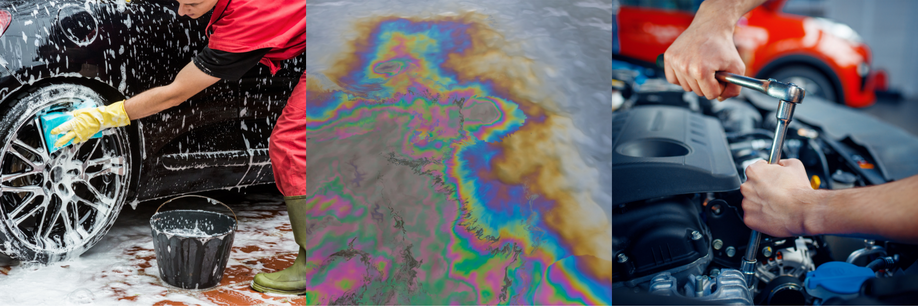
Get to where you’re going and minimize the impact on local waters.
We don’t think much of jumping in the car and running to the store. You may have heard that air quality is affected by vehicle emissions but have you realized that our quick trips affect our waters.
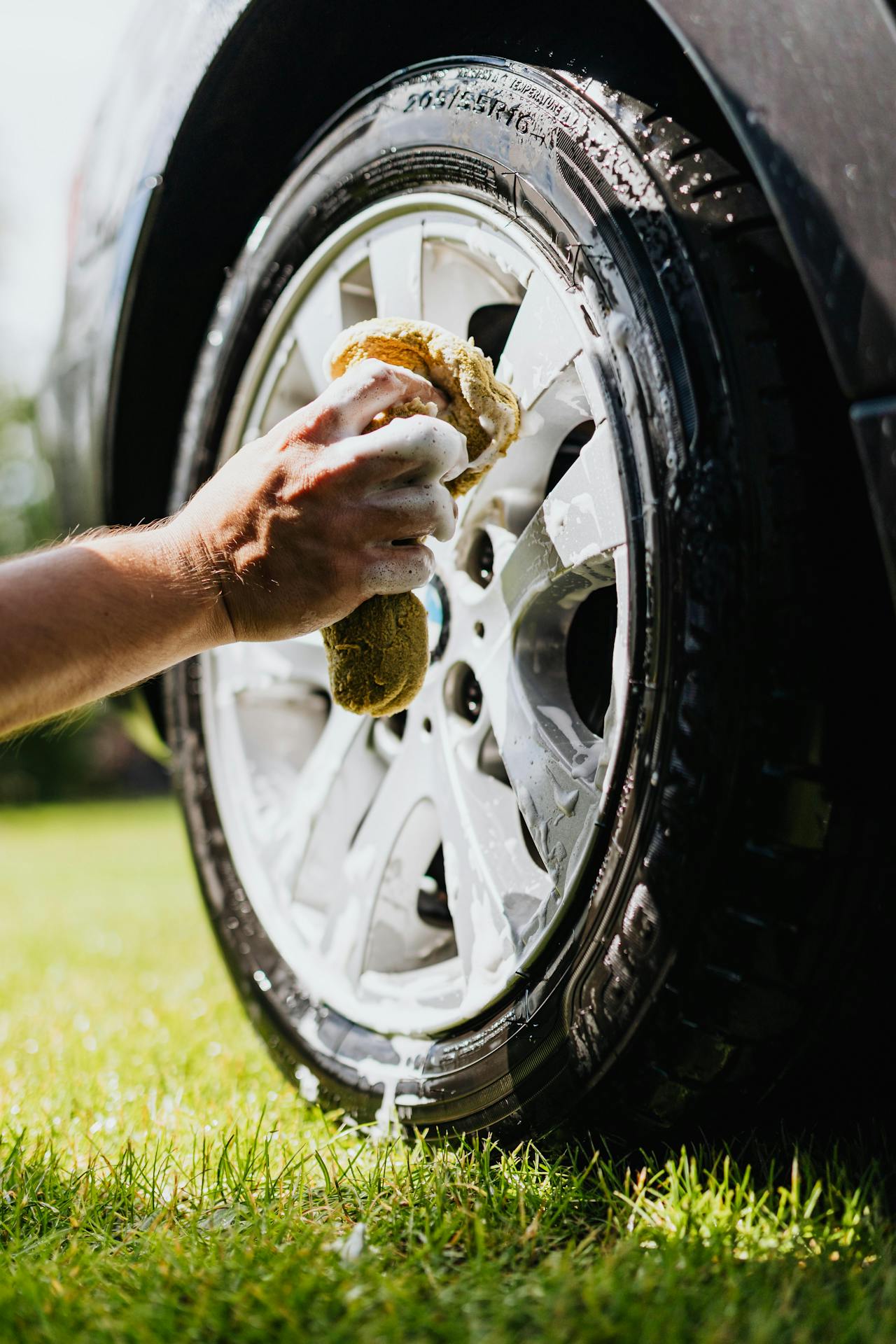
washing your car
When you wash your car in the driveway or street, the wash water flows into storm drains and straight to local waterways, carrying dirt, emissions, and soap with it. A commercial car wash avoids this by routing wash water to the wastewater treatment facility, where the oil, grease, detergent, and grime get removed. If you wash at home, use biodegradable soap, park on the lawn or another unpaved spot so the runoff soaks in instead of reaching the storm drain, and pour any leftover wash water down a sink or toilet.
maintenance
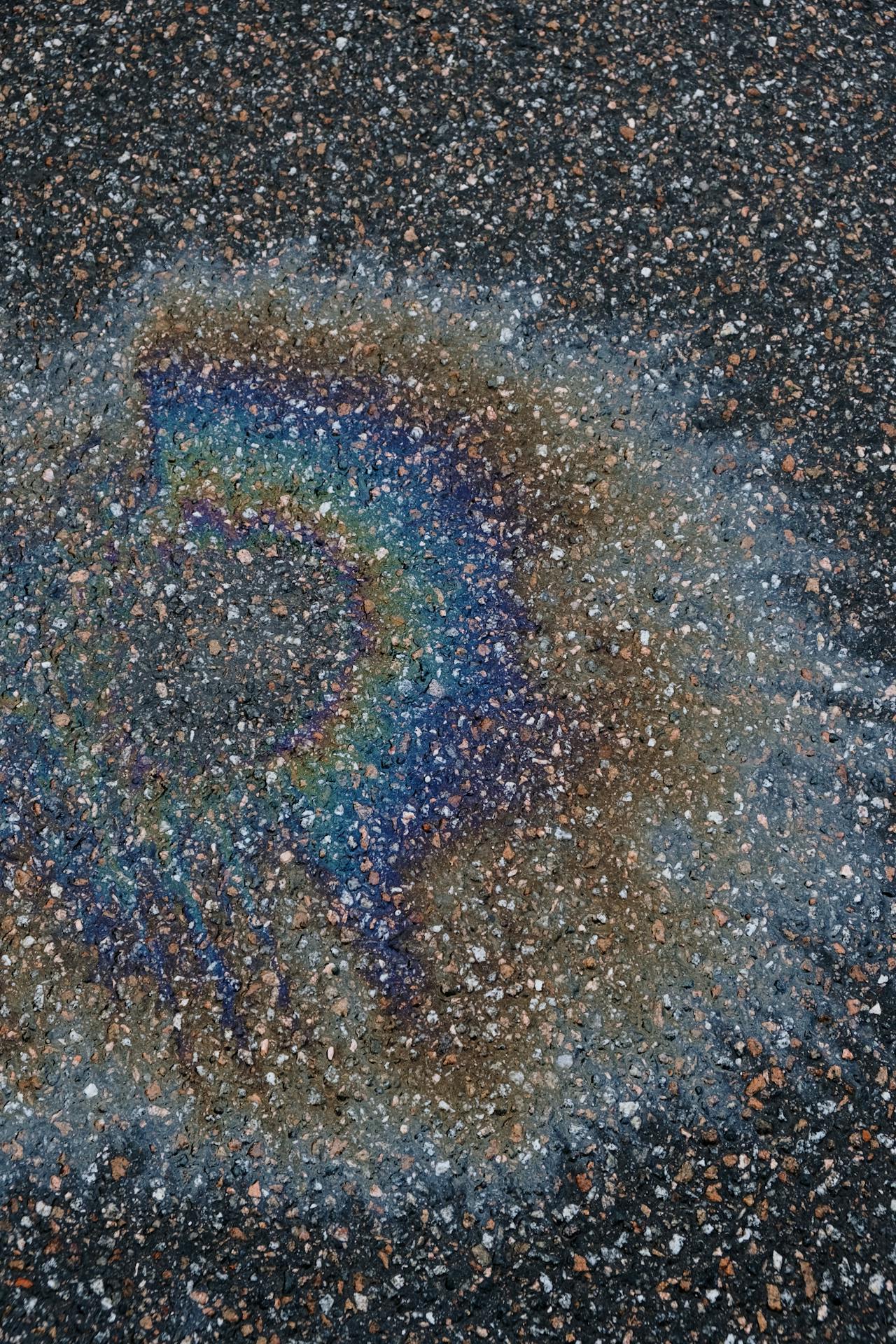
Keeping up with maintenance helps too. That oily sheen you see on streets and parking lots comes from small leaks, built up residue, and fuel spills. A well maintained vehicle leaks less, which means fewer contaminants washing into our rivers and lakes.
mindful driving
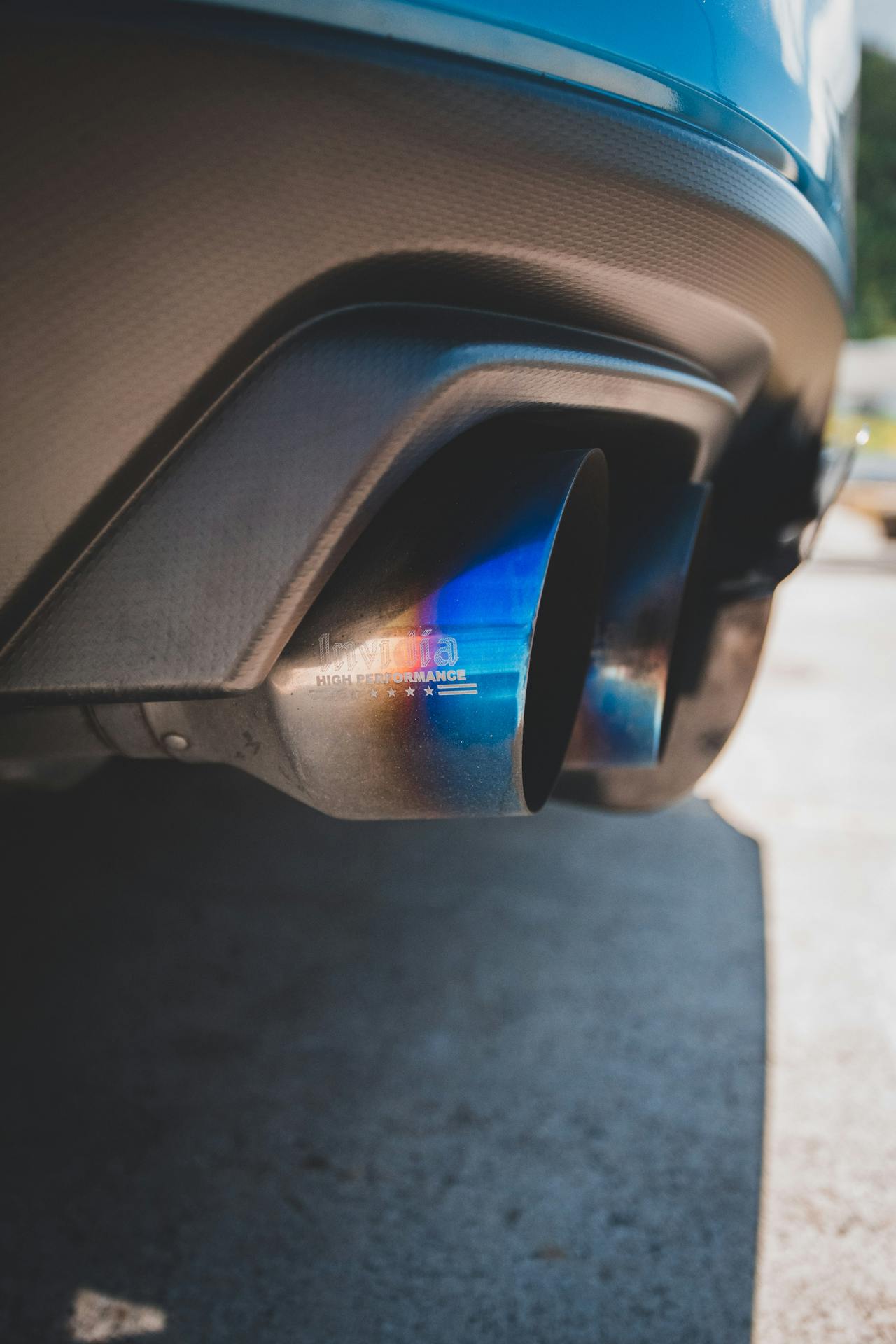
Emissions add to the problem in a way most people miss. Tiny particles from tailpipes settle on the road, then rain and melting snow carry them into the storm sewers and out to our waterways. Street sweeping helps, but the best fix is simply driving less. Combine errands into one trip, take public transit, or walk or bike when you can.
Taking care of your vehicle is not just good for your car; it also protects our water. Simple actions like fixing leaks, washing on the lawn, and keeping up with maintenance help prevent pollutants from entering local rivers and lakes through stormwater runoff. If you’re ready to do more, check out other ways to protect clean water by managing stormwater at home.
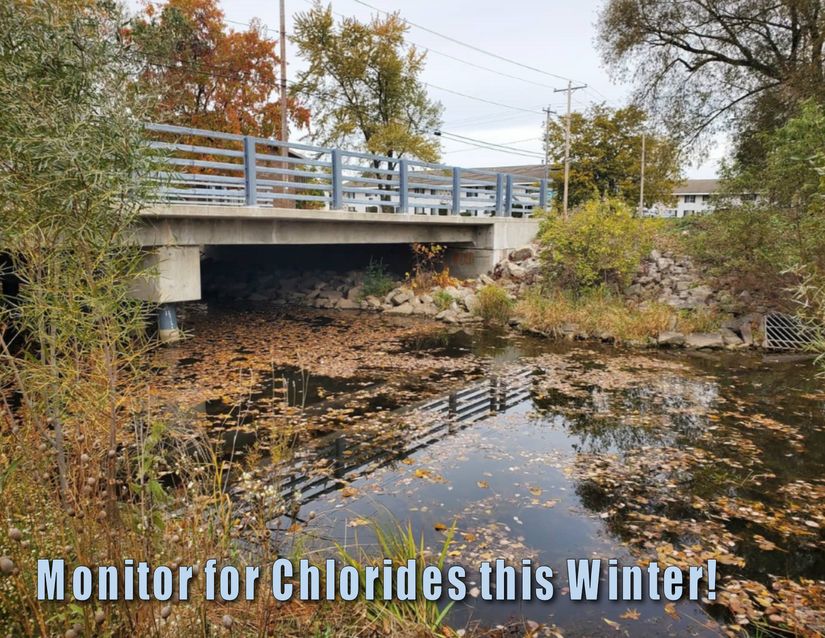
Join Fox-Wolf and Help Monitor for Chlorides(Salt)
Help Monitor Salt Pollution in the Fox-Wolf River Basin This Winter! Winter brings snow, ice, and slippery sidewalks. Sodium chloride (salt), widely used on [...]

The Storm Drain Leads Where?! Why What You Do at Home Matters Downstream
When it rains, most of us don’t give much thought to where the water goes. It spills off rooftops, runs down driveways, pools at [...]