
Shoreline Restoration is a great way to help improve the water quality of the Fox-Wolf Basin. By restoring and protecting these special places, we are able to reduce erosion, along with the sediment and nutrient pollution heading into our waterways. Shoreline restoration work also provides habitat and food for critters like birds, bees, and butterflies. Check out how Fox-Wolf is working to restore shorelines and how you can get involved!
Calling Shoreline Property Owners!
Are you considering adding a rain garden or native plants to your shoreline? Fox-Wolf is here to help!
A few benefits of shoreline practices:
- Bring more wildlife to your yard
- Deter geese and reduce erosion
- Prevent runoff from entering the lakes and rivers
- Help protect lakes and rivers for future generations
We offer site visits, plant suggestions, and assistance in finding cost share. Learn more about what we offer below!
Contact us at Fox-Wolf to learn more →
Not a shoreline property owner? Read on to learn how native plants can help our waterways inland too
You don’t have to be a Shoreline Property Owner to Make a Difference
Everyone can Help
Making our shorelines (and rivers and streambanks) healthier starts with storing more water on the land. By infiltrating and storing the water in our yards, we can help make our shores and banks healthier. Here’s how:
In Your Yard
How to Help
Growing deep-rooted native plants and storing water in your yard is a great way to help! These practices can help filter and/or reduce the amount of runoff water entering our waterways.
A few ways to implement:
- A Rain Garden
- Rock Infiltration
- Rain Barrels
- Installing Diversions
- Or just a Native Planting
Volunteer
How to Help
Volunteering is a great way to get involved and make an impact!
A few ways to get involved:
- Winter Sow Workshops: Help us plant and grow native seeds!
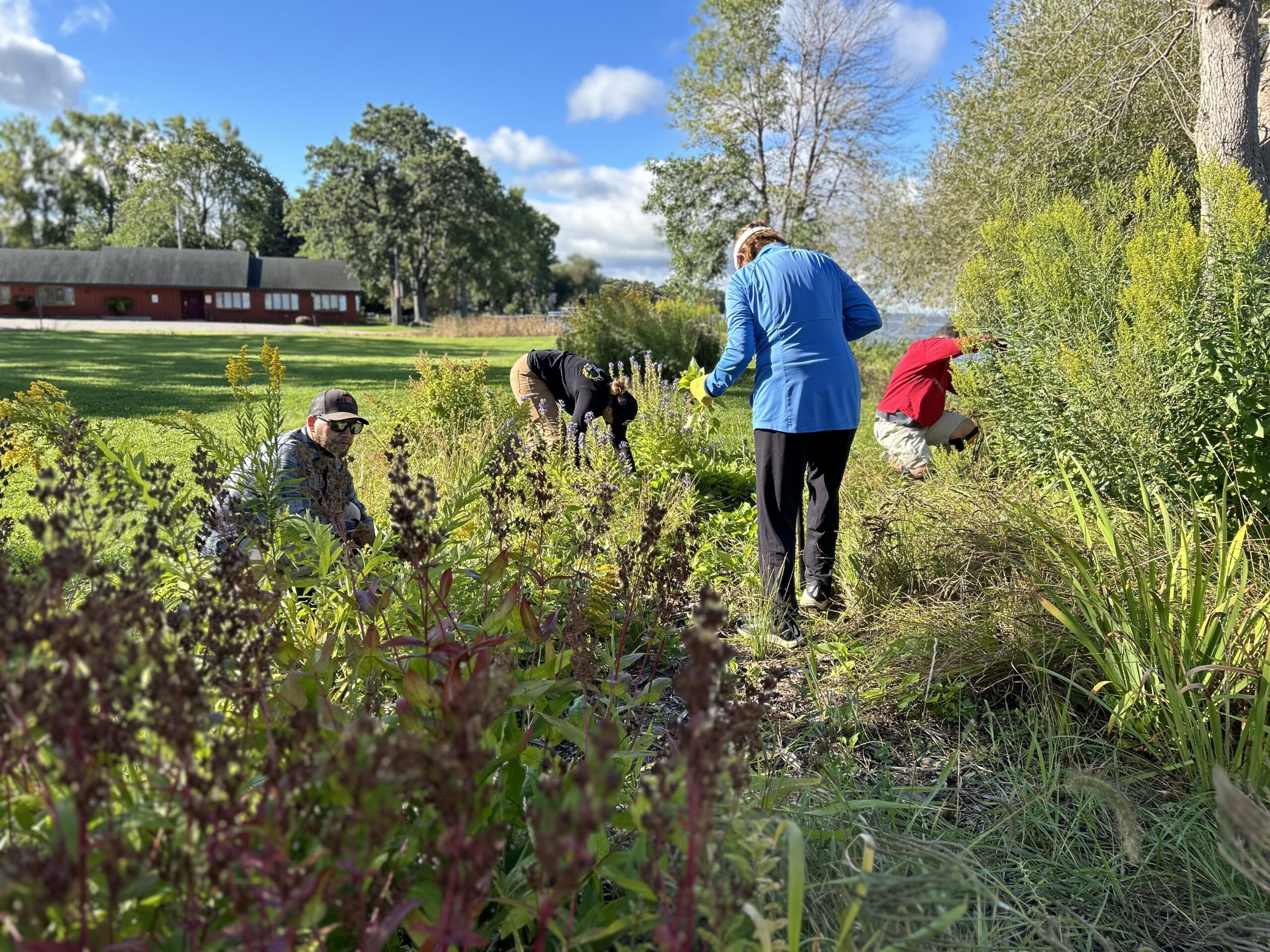
- Demo Site Weeding Days: Help us maintain our Demo Sites across the Basin!
Shoreline Practices We Use
At Fox-Wolf, we use a wide variety of practices to meet conservation goals. We call these Best Management Practices (BMPs). Depending on the need of the situation, different BMPs may be used.
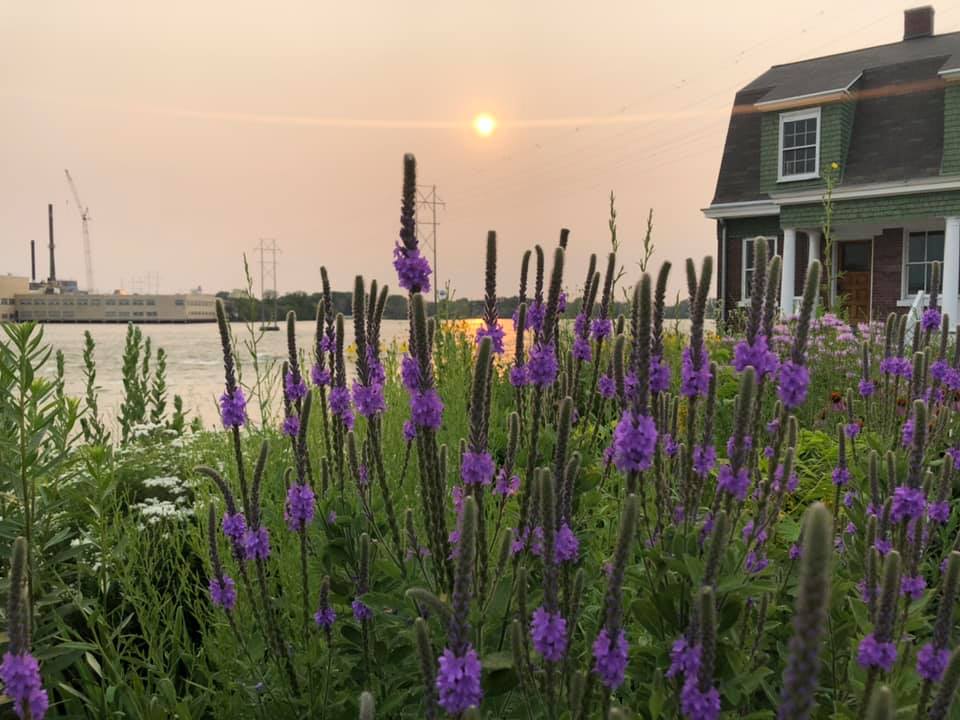
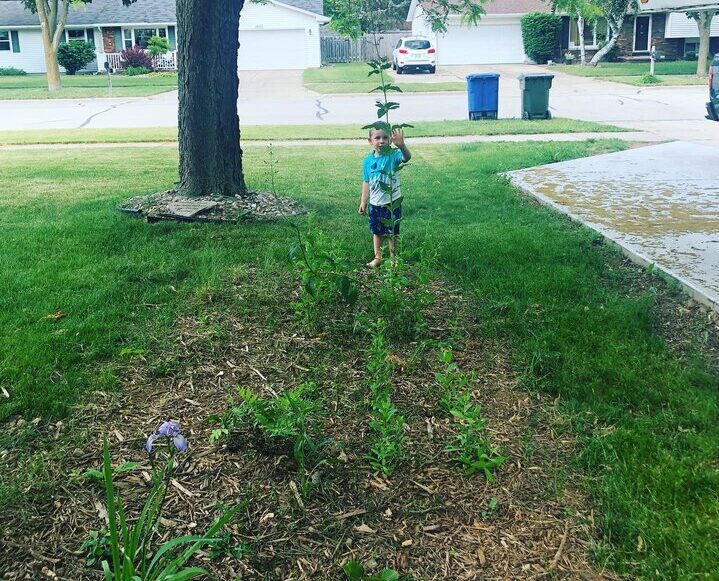
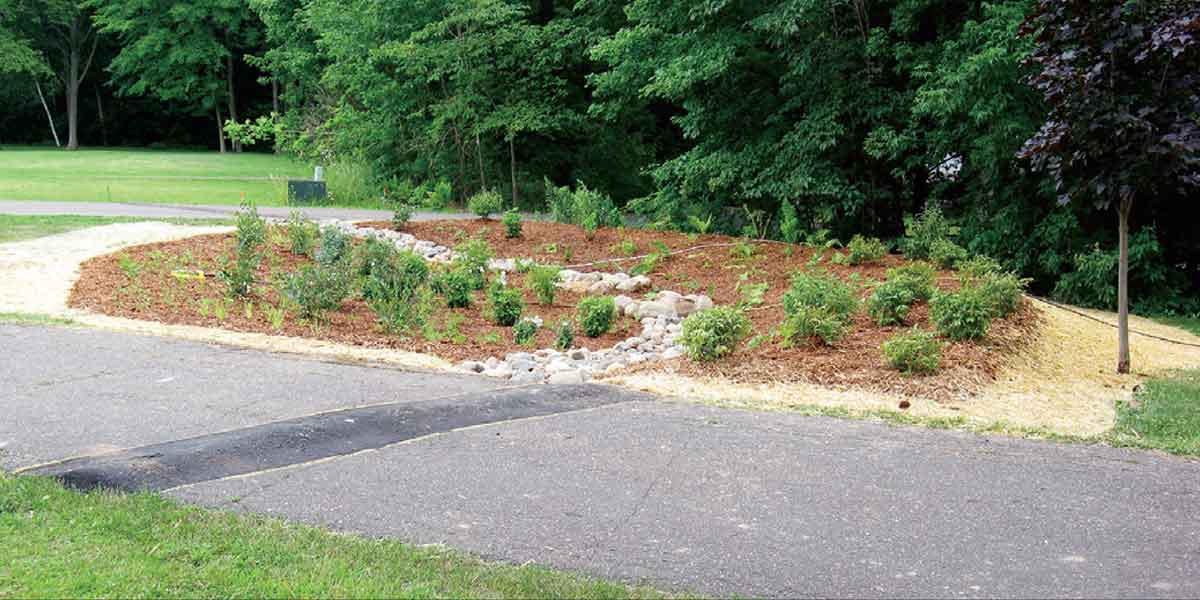
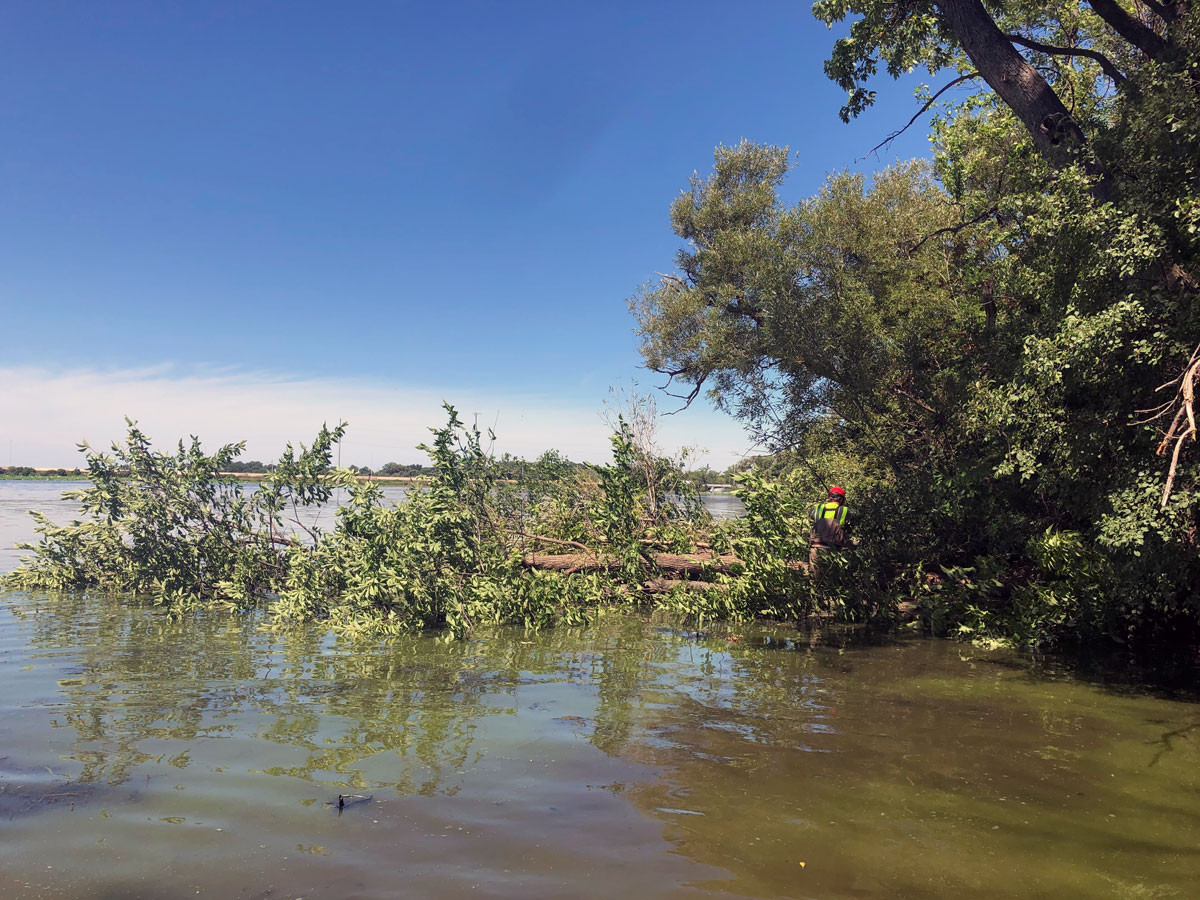
If you’re a shoreline property owner, you are in a unique position to have a big impact on water quality and habitat. Fox-Wolf works with the Healthy Lakes & Rivers program to promote five simple and inexpensive ways to improve your shoreline. Fox-Wolf can help you find cost-sharing opportunities to make these even more affordable. Learn more here:

Local Cost Share Opportunities
Depending on which county you live in, you may have access to different types of cost share. Check out the links below to see if you qualify!
All residents regardless of county may also qualify for Healthy Lakes grants. Individuals may not apply for these grants directly but can work with Fox-Wolf staff to qualify.
Shoreline Resources
Are you an organization or shoreline property owner with a Healthy Lakes & Rivers Grant? Maybe someone who’s interested in volunteer work? We’ve got you covered!
for Healthy Lakes & Rivers Partners
Handy tools for Healthy Lakes & Rivers Partner Organizations
for Everyone!
Anyone can get involved! Learn how below.
The Winnebago Waterways shoreline restoration program aims to coordinate, promote, and partner on projects that implement shoreline protection and restoration best management practices in the Winnebago Waterways Program Recovery Area. The goals of the program are:
- Build support to implement shoreline restoration efforts to address shoreline erosion and water quality issues in the Winnebago System.
- Provide support, technical guidance, and funding guidance to partners to increase the adoption, installation, and maintenance of shoreline best management practices.
- Recognize shoreline property owners that serve as good examples for their shoreline neighbors and have implemented shoreline best management practices.
- Engage and promote community involvement by hosting workshops for outreach and education about shoreline restoration issues and projects. Specifically, host native plant workshops to encourage use of native plants on Wisconsin’s landscape to help prevent shoreline erosion and capture storm water.
Contact the Winnebago Waterways Program Coordinator for more information!
stay in the know
Shoreline Project Updates
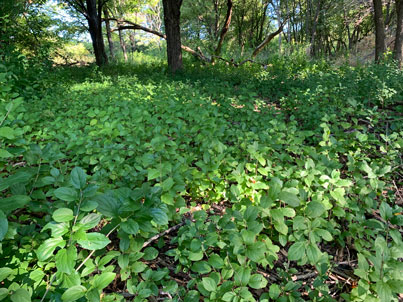
Back Breaking From Buckthorn? Use Plants to Control It
Controlling Buckthorn With Plants Original Story: Olivia Witthun & [...]
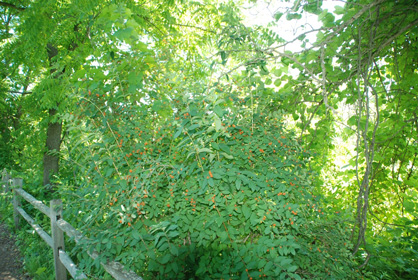
Planning Your Garden? Check Your Online Plants Before Purchasing
Help Stop the Introduction of Invasive Plants into Wisconsin [...]
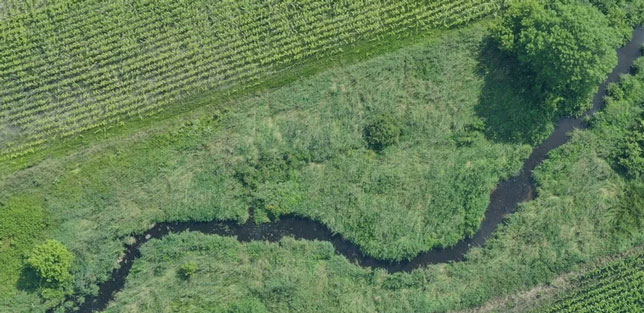
Stony Brook Restoration – Ongoing Success Story in the Watershed
Calumet County's Only Cold Water Stream Being Restored Stony [...]