We’re Breaking Ground in Brothertown!
streambank restoration work begins on Brothertown Creek
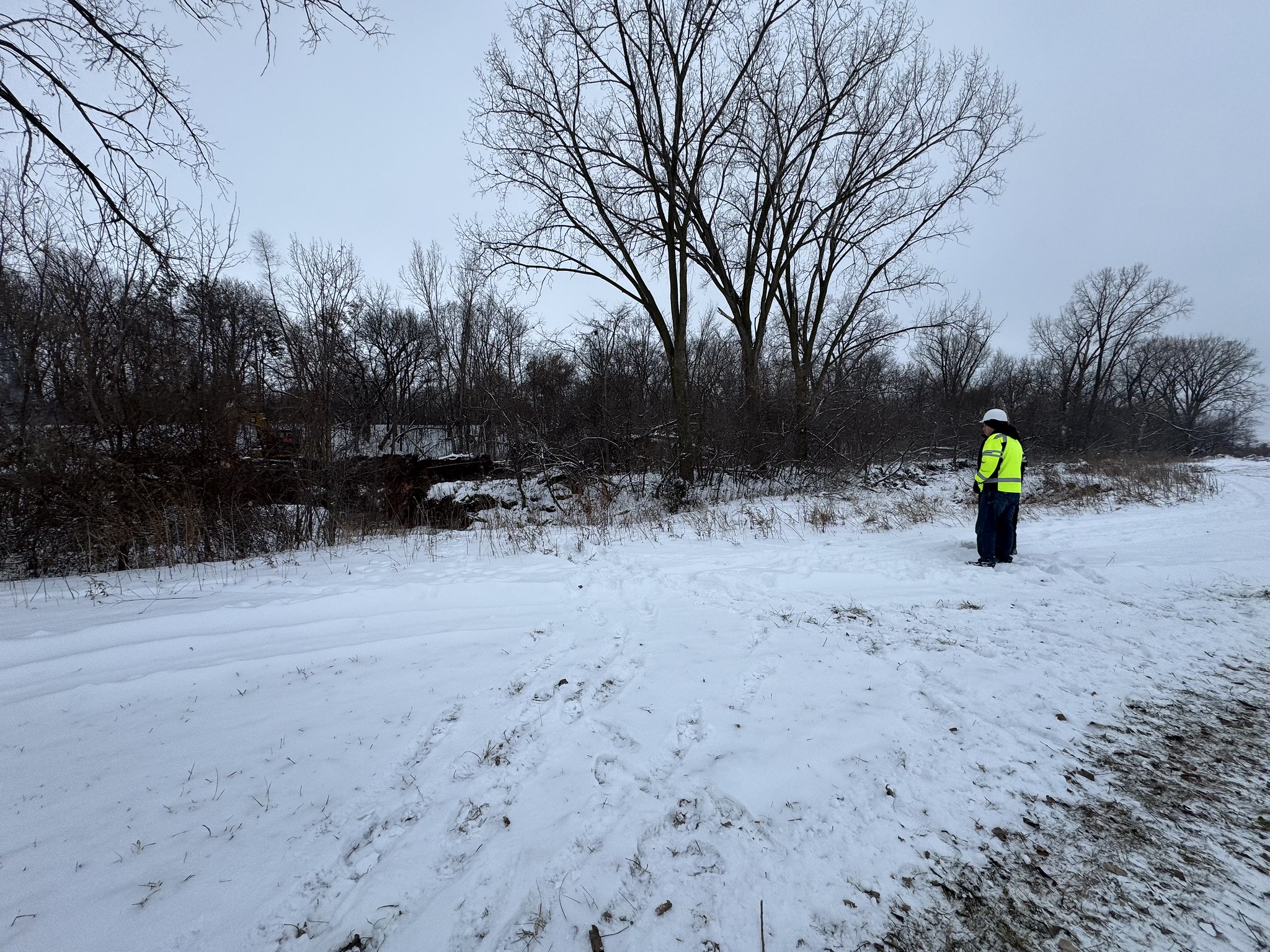
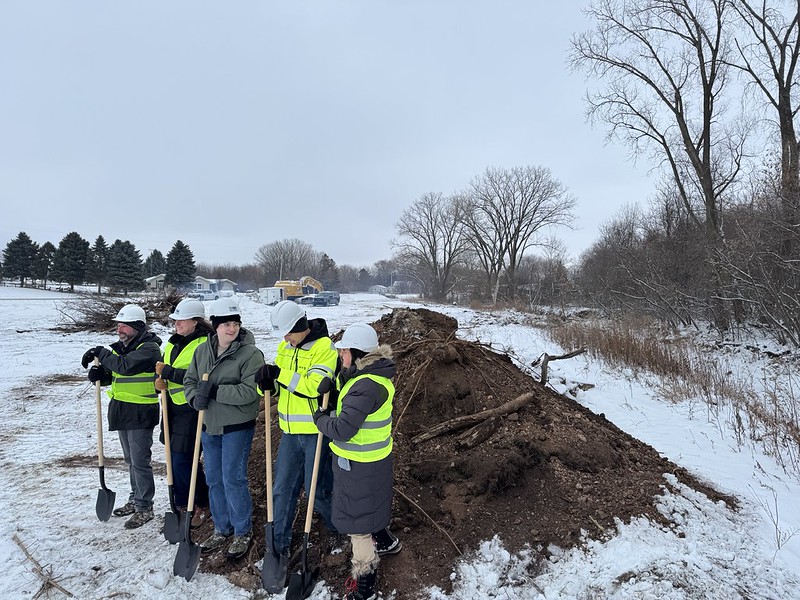
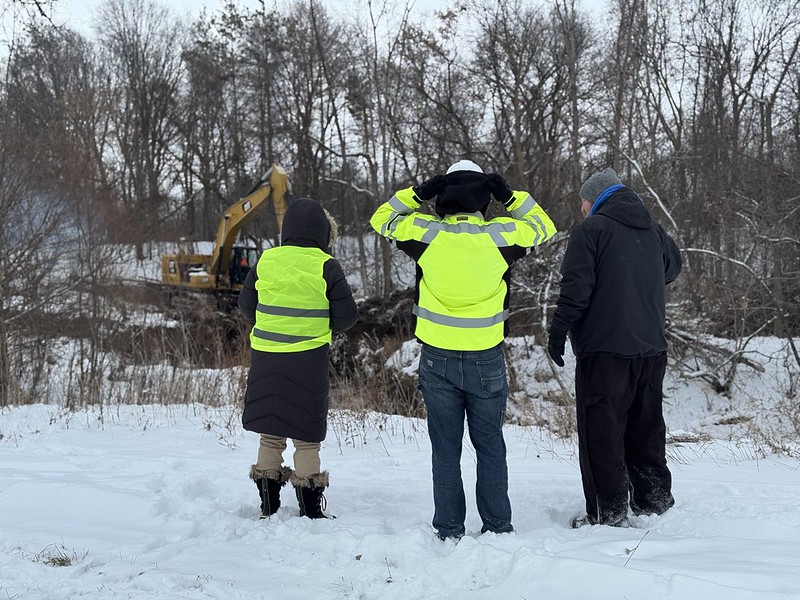
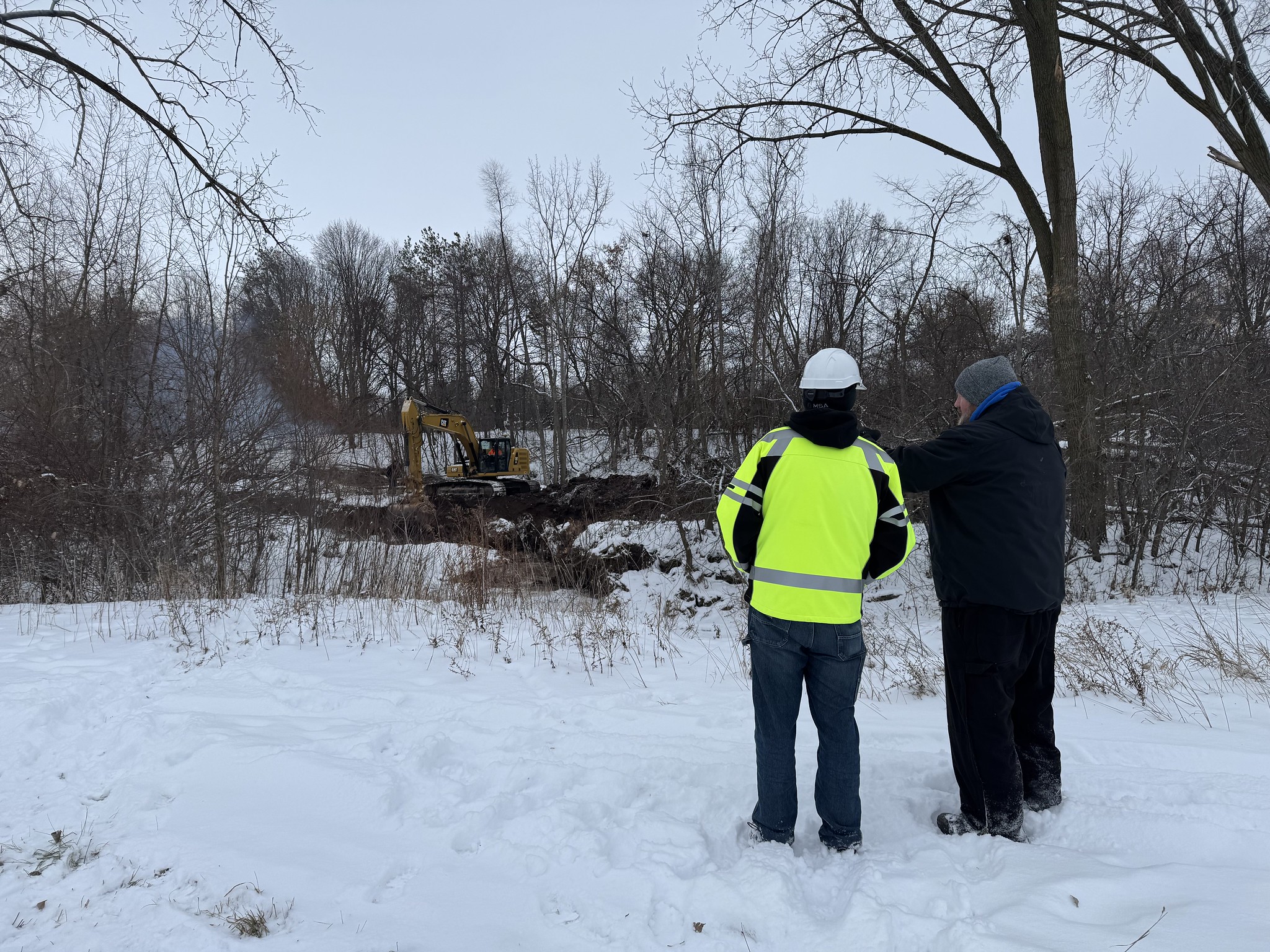
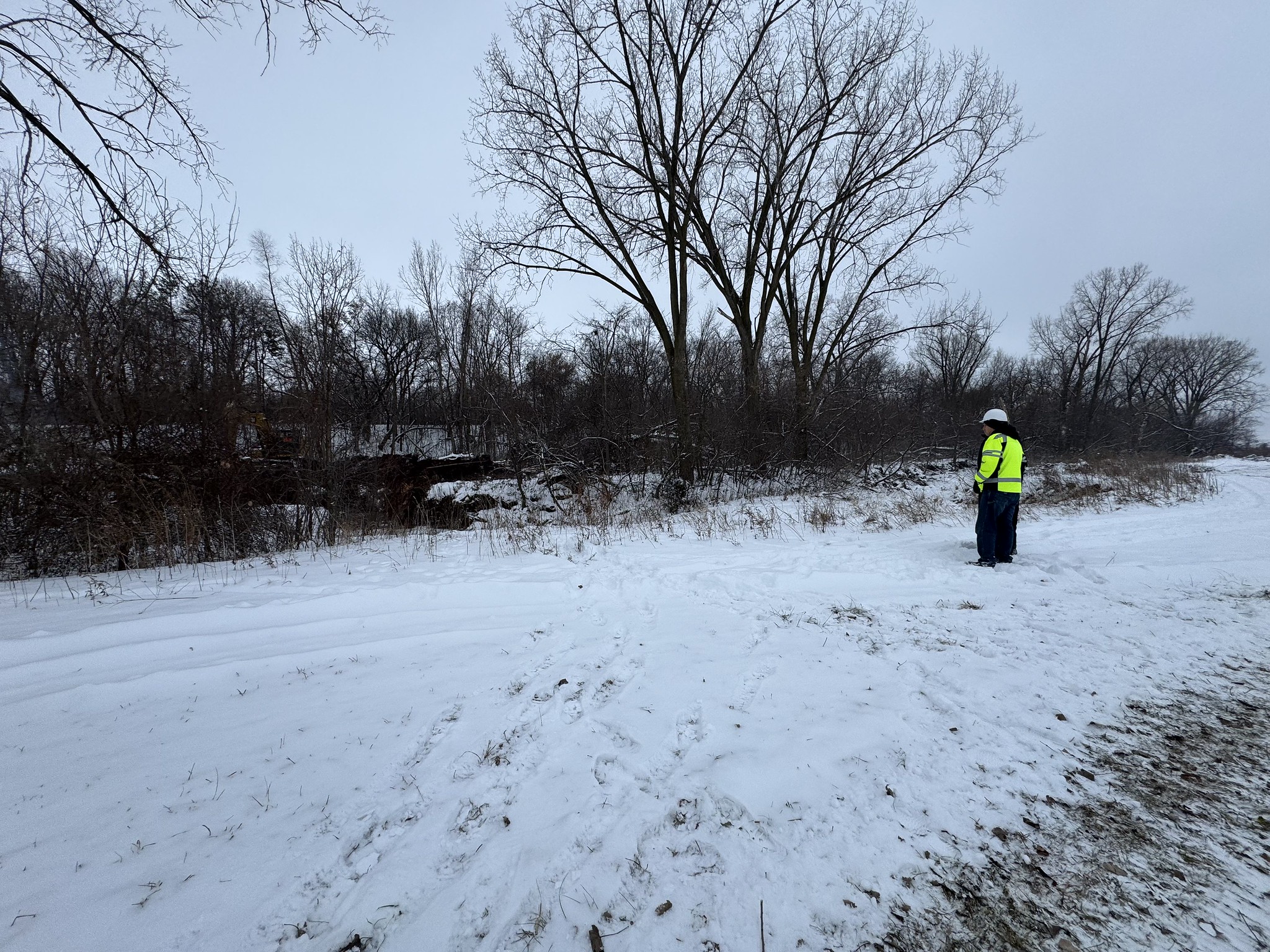
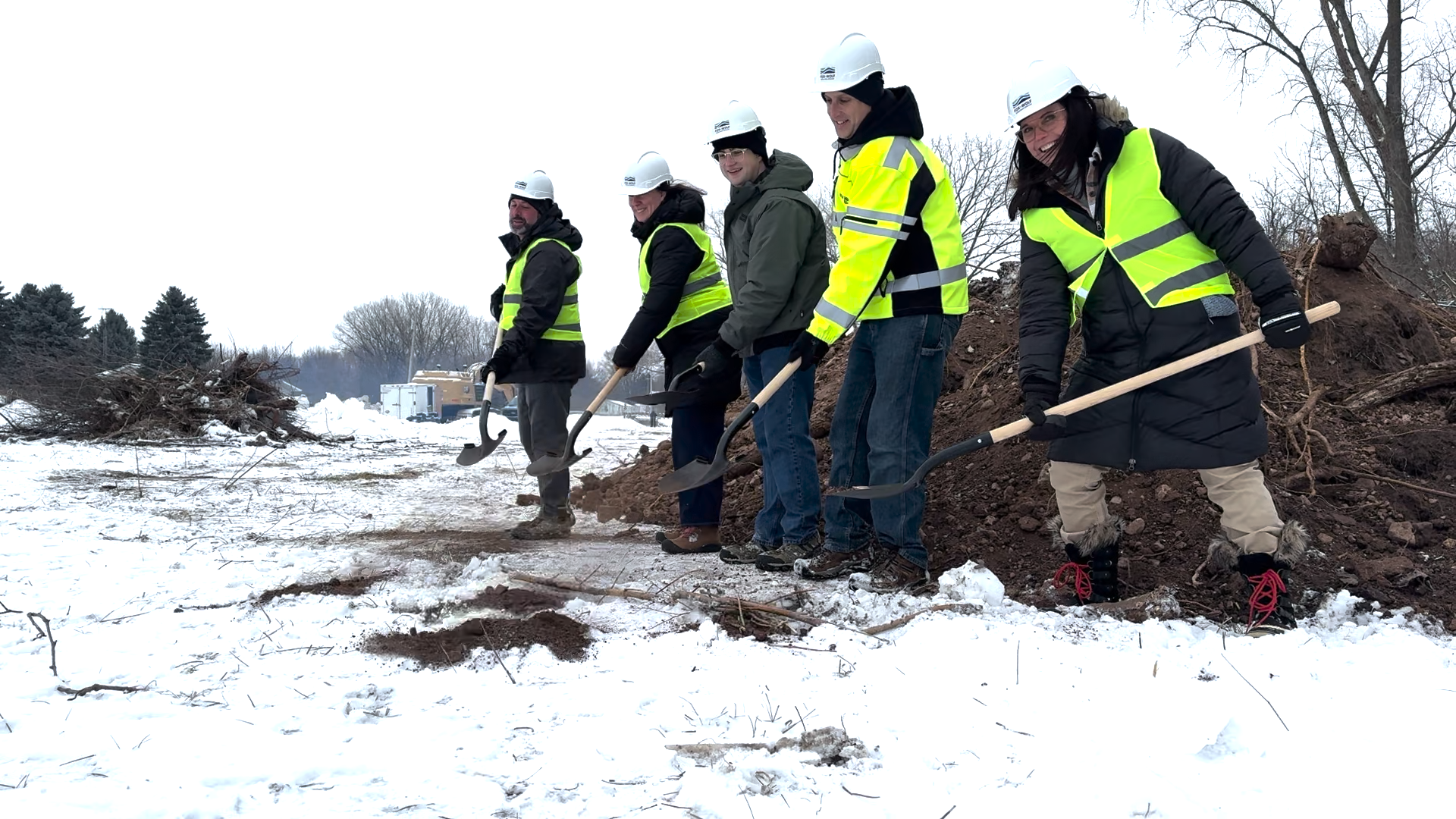
Partners gathered along Brothertown Creek this week to mark the start of a major streambank restoration effort on one of the creek’s most eroded sections near Brothertown Harbor. Supported by the Great Lakes Restoration Initiative, this project is a collaboration between the Fox-Wolf Watershed Alliance and Calumet County Land Conservation Department.
The work will restore more than one-third of a mile of unstable bank, improving habitat for fish and aquatic life, reducing sediment and nutrient runoff, and helping the creek withstand heavy rains and flooding. Conservation practices like root wads, regraded slopes, and newly planted native vegetation will all play a role in stabilizing the site and supporting long-term health.
Voices From the Groundbreaking
Fox-Wolf Board President Jeff Smudde reflected on how this project fits the organization’s mission:
“Projects like this help advance the mission of Fox-Wolf—reducing erosion, improving water quality, and strengthening downstream habitat. This is a great example of the collaborative work happening across the watershed.”
Calumet County Conservationist Brent Jalonen described the importance of federal support:
“Through a grant from the Great Lakes Restoration Initiative, Calumet County and the Fox-Wolf Watershed Alliance were able to move forward with a streambank stabilization project that wouldn’t be possible otherwise. The scale of this work simply isn’t feasible without federal support.”
Why Brothertown Creek Needs Restoration
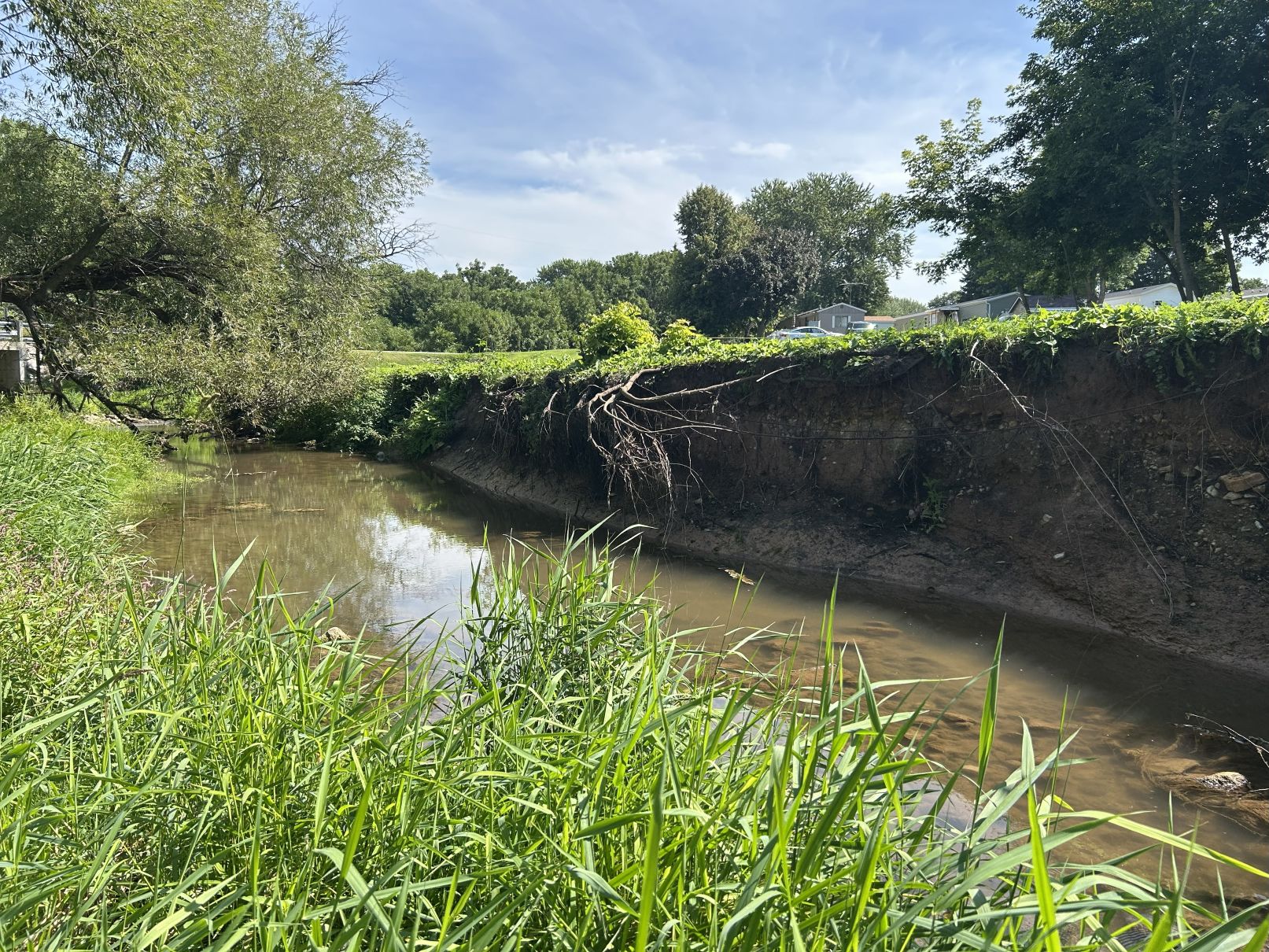
Brothertown Creek lies between the steep slopes of the Niagara Escarpment and Lake Winnebago. Over time, changes in the landscape have reduced the watershed’s ability to slow and store runoff. When storms hit, too much water moves through the creek too quickly.
The fragile soils along Brothertown Creek’s banks can’t absorb that force. As a result, large sections of bank have been eroding away—sending sediment and phosphorus downstream, degrading water quality, reducing fish habitat, and increasing flood risk.
Restoring the streambanks is essential to protecting water quality in Brothertown Creek and Lake Winnebago.
How the Restoration Will Work
Fox-Wolf Watershed Alliance and Calumet County are restoring the Brothertown Creek using conservation practices.
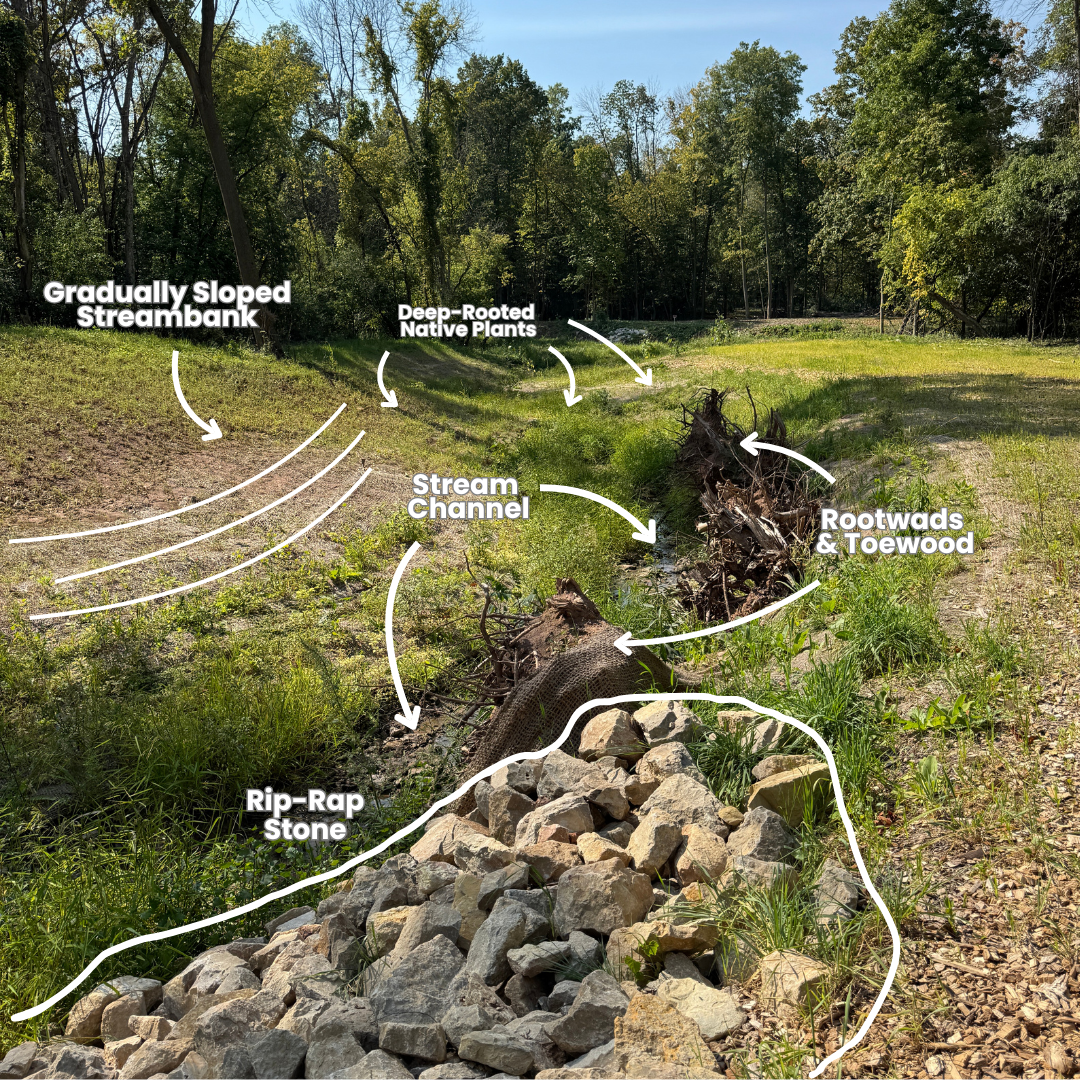
The highly eroded, very steep streambanks will be regraded to slope more gradually. This will help the creek to flow more naturally and become re-connected to its floodplain.
Native plants, including wildflowers, grasses, and trees, will be planted on the banks and floodplains. Their deep roots will help to hold soil in place, while also providing habitat for pollinators and wildlife.
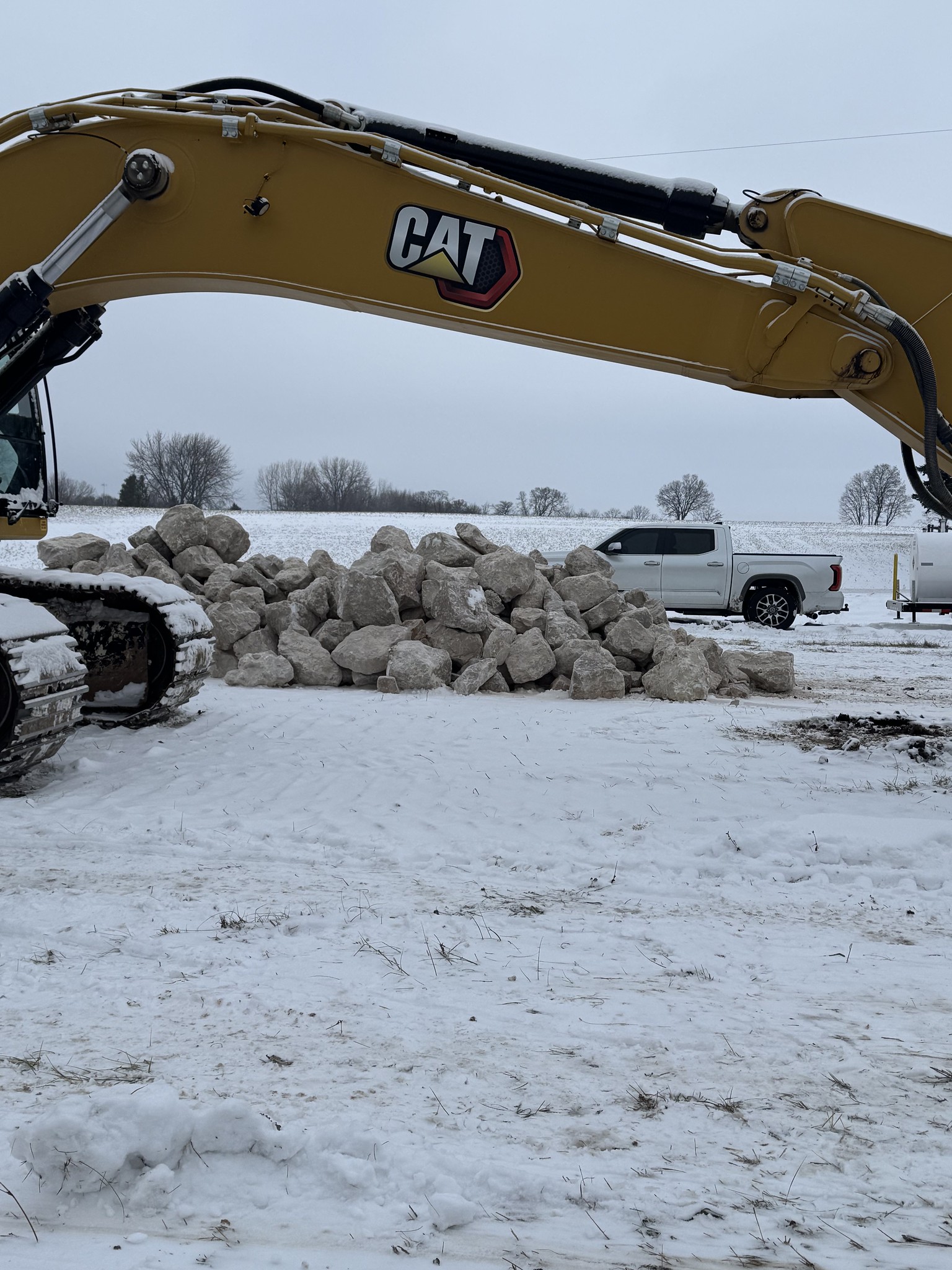
Some spots will need further hard-armoring from rootwads, toewood, and rip-rap stone to prevent further erosion. These structures will be placed strategically on corners and bends. Rootwads and toewood, partially buried whole-trees, and stumps with roots, will also provide great habitat for fish. Rip-rap, large heavy rocks, will also be used to armor more vulnerable sections of bank.
Stream barbs, large sections of rip-rap that stretch out into the creek, will be used to help further guide fast-flowing water away from fragile streambanks, while also providing fish habitat.
For more information, check out the project page →
Where We’re Working
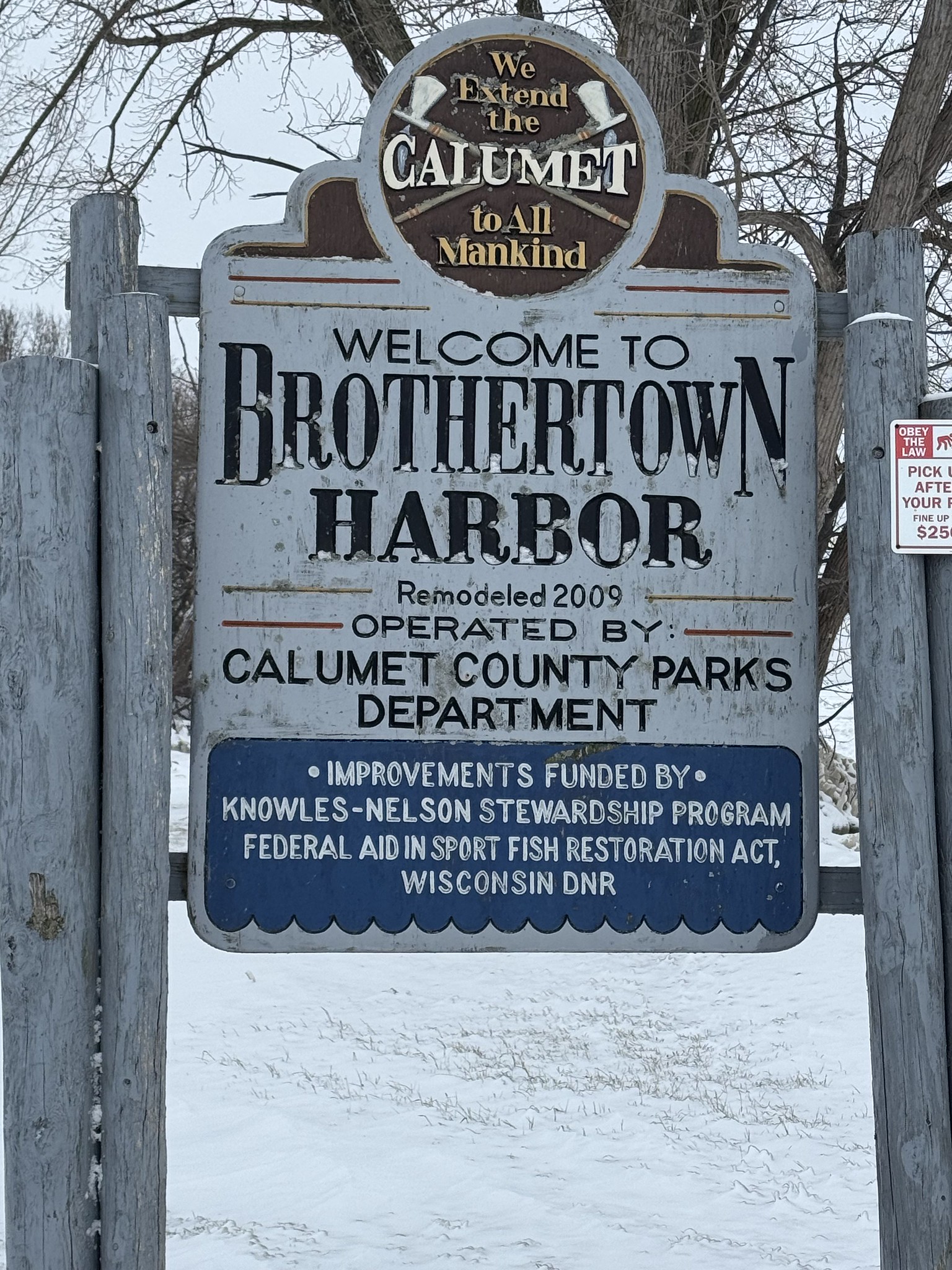
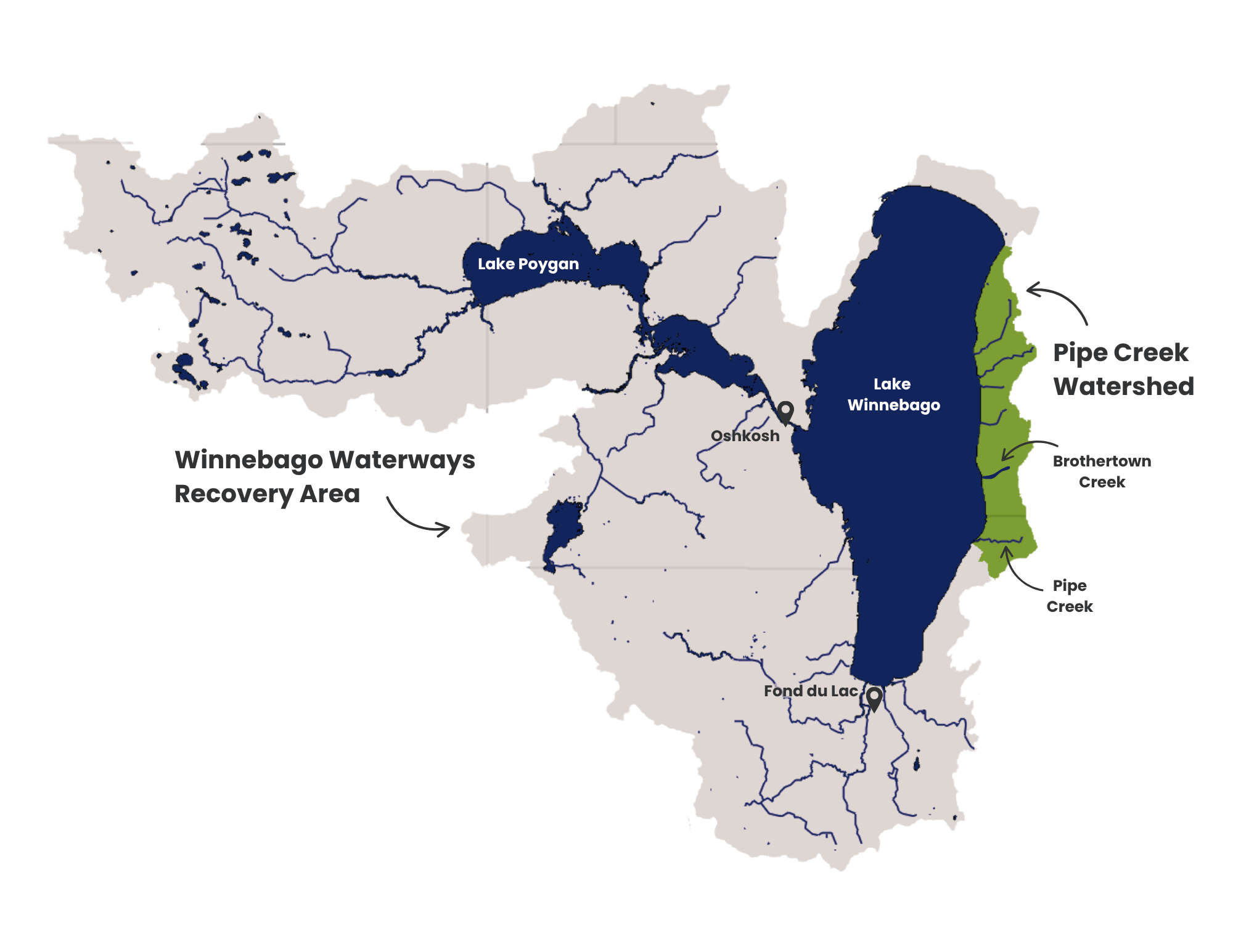
Brothertown Creek is located in the Pipe Creek Watershed, which is a part of the Winnebago Waterways Recovery Area. This watershed drains directly to Lake Winnebago. Our project is sited at the end of the Brothertown Creek – right where it drains into Lake Winnebago at Brothertown Harbor.
The Renewing East Winnebago project is funding by the United States Environmental Protection Agency (EPA) through the Great Lakes Restoration Initiative (GLRI).
Learn more about the project →
Learn more about Fox-Wolf’s Streambank Restoration Program →
