
Whether you’re scouting a new marsh or setting up before sunrise, every trip into a wetland is an opportunity to help conserve it.
Original Story: Ducks Unlimited Canada
Invasive species threaten hunting and waterfowling by reducing biodiversity in wetlands and providing poor foraging and habitat for ducks and other game animals.
One of the biggest threats facing wetlands is invasive Phragmites (Phragmites australis), a tall, aggressive reed that spreads quickly and crowds out 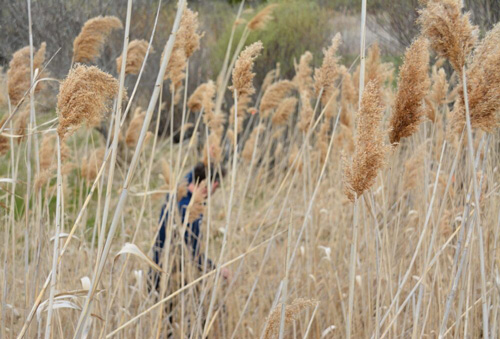 the native plants and open water that waterfowl and other wildlife depend on.
Unlike healthy native wetland vegetation, dense stands of invasive Phragmites create thick monocultures that reduce biodiversity, limit wildlife movement and degrade habitat for ducks, amphibians, turtles and many other wetland species. As a hunter, you can help these wetlands thrive by identifying phragmites and responding proactively.
To identify invasive Phragmites look for:
- Dense stands of tall reeds, often exceeding 16 feet in height.
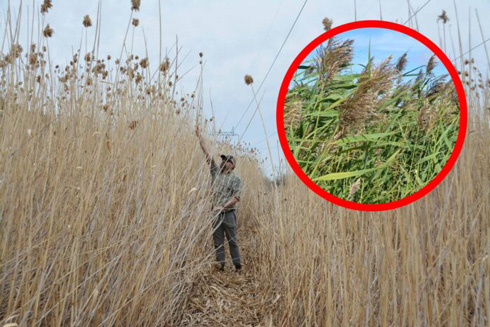
- Large, feathery seed heads.
- Thick stems and extensive patches that dominate wetlands.
- Few openings or diverse plant species beneath the canopy.
If you’re unsure what you’ve found, it’s always best to leave it undisturbed
Four simple ways hunters can help
Protecting wetlands doesn’t stop when the hunt begins. A few simple habits can help prevent invasive Phragmites from spreading to new areas.
- Learn to recognize invasive Phragmites before heading into the field.
- Try to use alternatives for Phragmites for duck blinds or concealment. Even small pieces of stems or roots can contribute to its spread.*
- Avoid walking through dense stands whenever possible. Seeds and plant fragments can cling to boots, clothing, dogs, decoys and equipment.
- Clean your gear before leaving the marsh. Brush mud and vegetation from boots, waders, decoy bags, boats and trailers. A boot brush and lint roller are simple tools that can prevent seeds from travelling to your next hunting location.
*If you live in Northeast WI where Phragmites is allowed to be used for hunting, be sure to remove seed heads and roots from any vegetation you use. Even if you’re unsure of the species of the plant, be sure to remove seed heads and roots. Cattails, bullheads, rushes, sedges; just cut off the seed heads and roots before using it for your blind.
Become a wetland steward
Hunters are among the people who spend the most time in wetlands and are often the first to notice changes on the landscape.
If you spot invasive Phragmites. consider reporting it through iNaturalist or EDDMapS. Your observations contribute valuable information that helps conservation organizations better understand where invasive species are spreading and where management efforts are needed most.
Photo Credit: Ducks Unlimited Canada
Questions? Comments? Contact Chris Acy, the AIS Coordinator covering Brown, Outagamie, Fond du Lac, Calumet, and Winnebago Counties at (920) 460-3674 or chris@fwwa.org!
Follow the Fox Wolf Watershed Alliance on our Fox-Wolf Watershed Alliance Facebook page or @fox_wolf_watershed_alliance on Instagram! You can also sign-up for email updates at fwwa.org.
The Fox-Wolf Watershed Alliance is an independent nonprofit organization that identifies and advocates effective policies and actions that protect, restore, and sustain water resources in the Fox-Wolf River Basin.
Reporting invasive species is a first step in containing their spread. Maintaining and restoring our waters and landscapes can reduce the impacts even when we don’t have other management options to an invasive species.
