
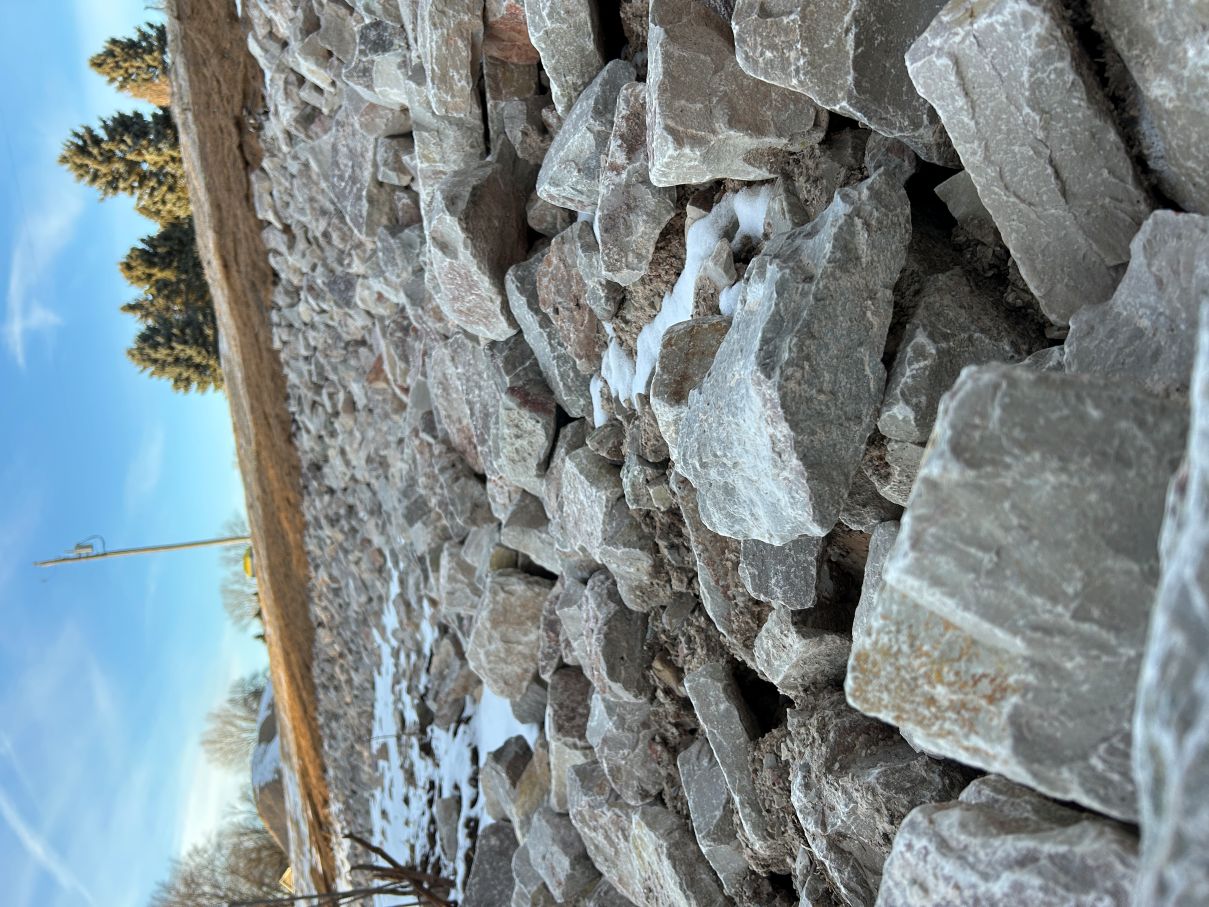
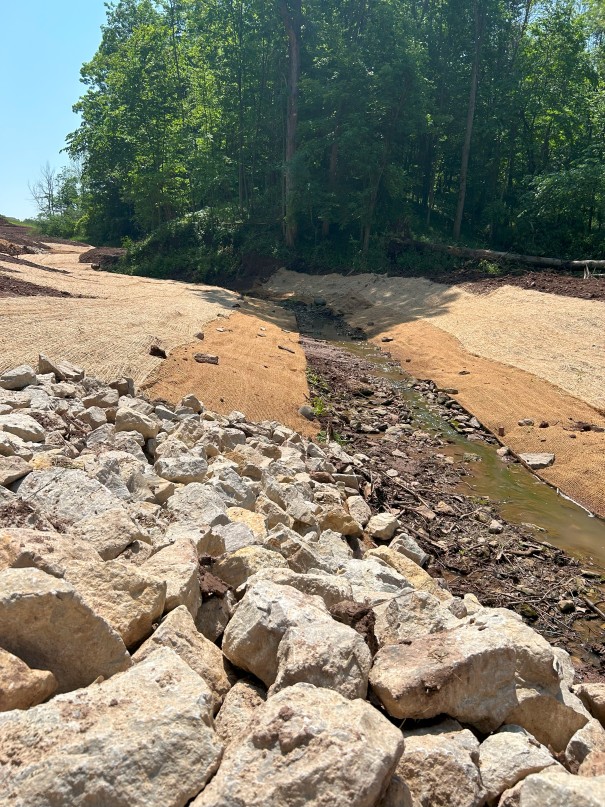
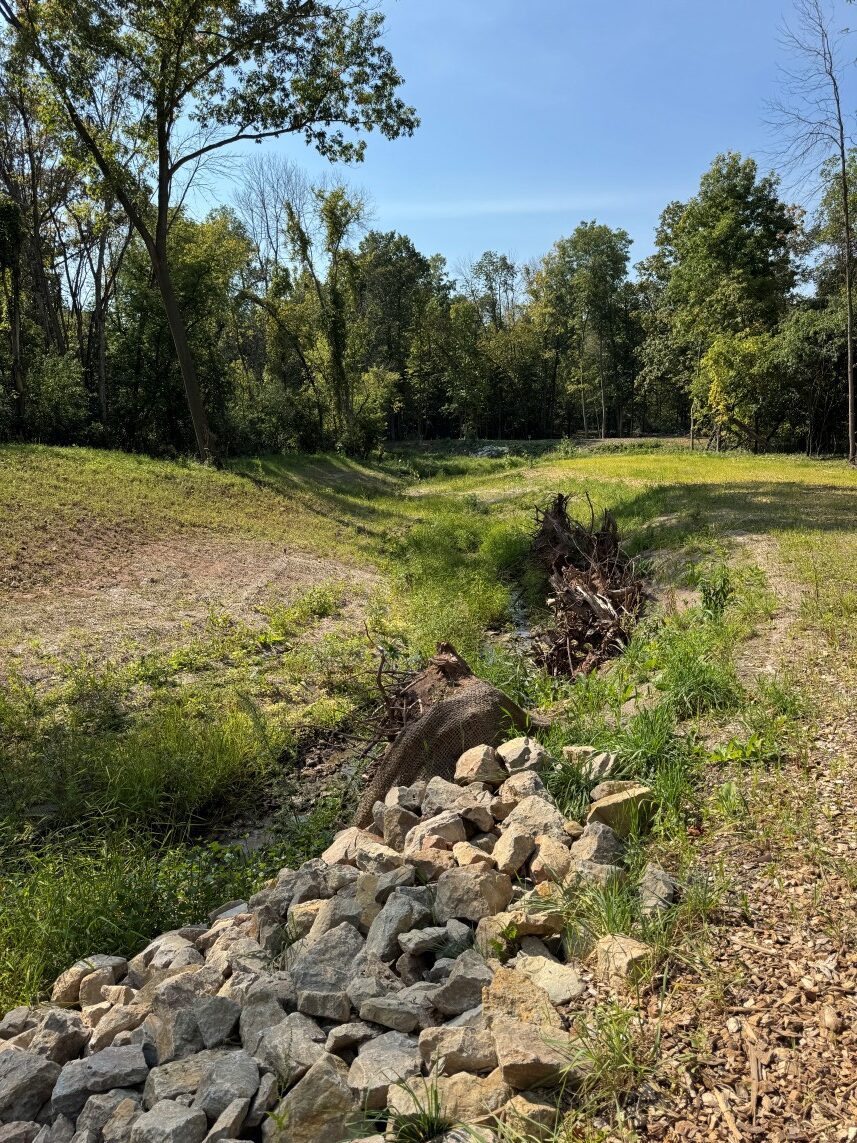
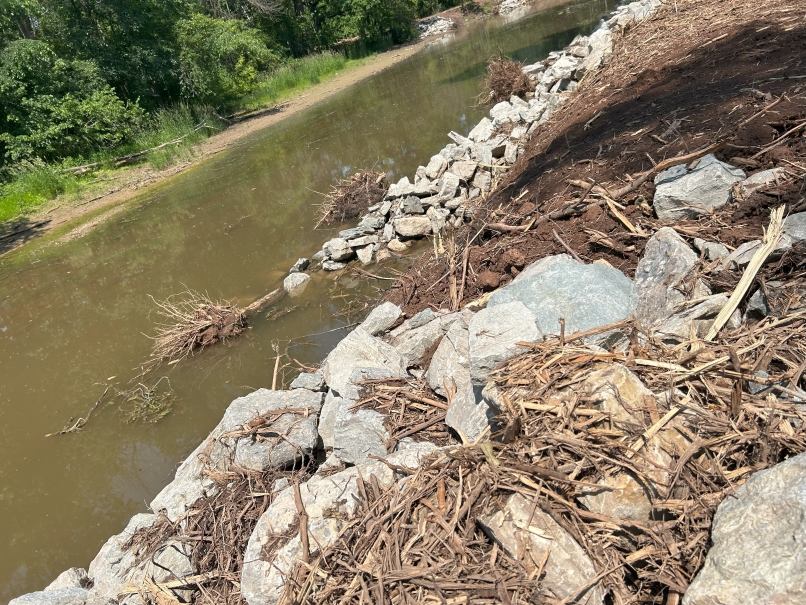
As it stands today, streambank erosion is a major contributor of sediment and nutrients to the waters of the Basin. Restoring these streambanks to a healthy, functioning state is an important step needed to meet water quality goals. Streambank restoration has two main components: restoring & connecting and protecting & stabilizing. Here’s a little more on each:
What is the Issue?
When it rains or snow melts, that runoff water needs to go somewhere. It flows over the land, and into the ground, and moves throughout the watershed until it reaches a body of water. One of the first stops for that runoff is a natural water storage system like a wetland. Here water is slowed and stored until it is able to calmly enter a river, stream, or creek. In wet times of the year like spring, streams naturally take on extra water. That extra water goes into the stream’s floodplain, or the area surrounding the stream that can take on water.
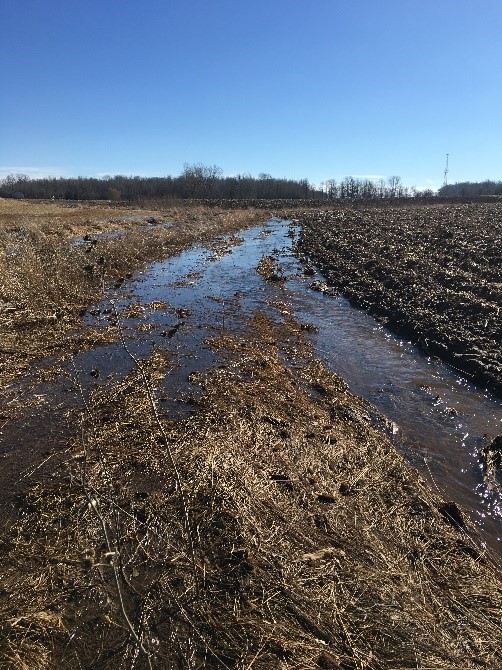
Over time, this natural system has been disrupted. Wetlands and other runoff storage systems have been lost, streams have been ditched and dammed and no longer have connections to their floodplains, and rain and snowmelt events are becoming more frequent and intense. This has resulted in there being an excess amount of runoff water moving too quickly through watercourses. Fragile streambanks are unable to handle the extra water load and are eaten away by the turbulent water. This sends large amounts of nutrients and sediment downstream and into our lakes.
diving back in time
How the past impacts the present
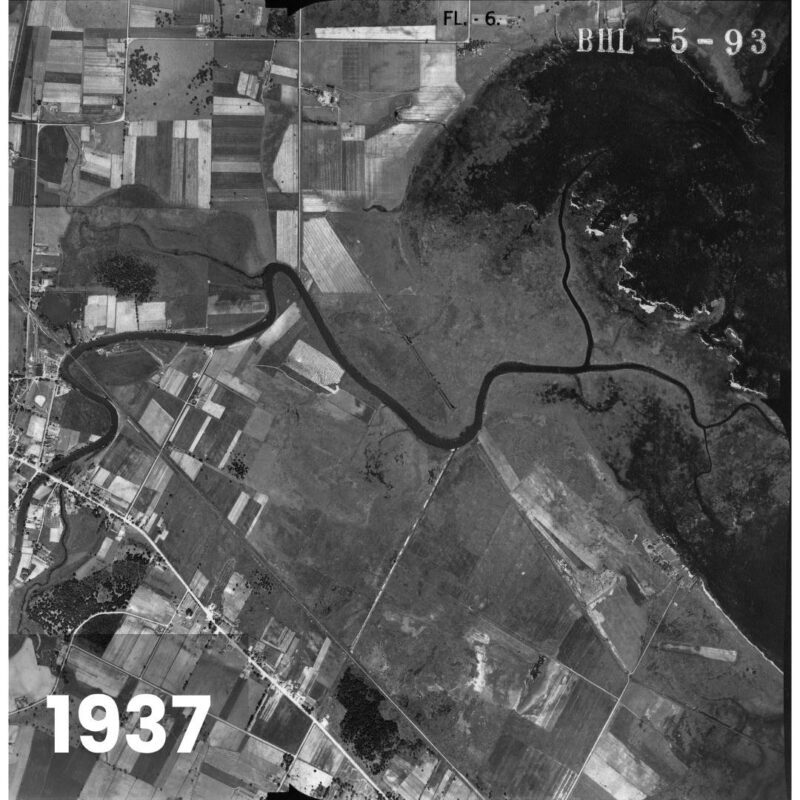
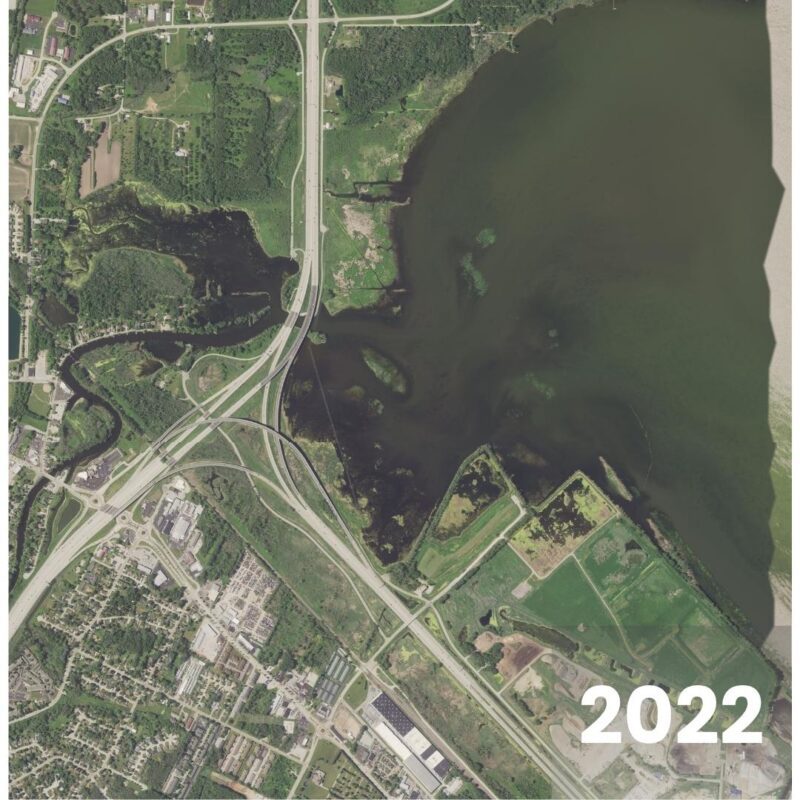
To get the full picture of why streambank erosion is such a big issue today, we have to look back into the past. Historically (pre-1800s settlement), the Basin was home to many wetlands, forests, grasslands, and other ecosystems that played a crucial role in slowing and storing water on the land. Over the centuries, wetlands were drained and filled, forests cut down, grasslands plowed, and rivers dammed to make way for cities, farm fields, and industry.
Without these ecosystems, the watershed no longer has the capacity to deal with runoff water that comes from storms and snowmelt. This has resulted in there being to be too much water moving too quickly over the landscape. Check out the difference ~85 years made on the streambanks and delta of Duck Creek at Green Bay!
How We Work
Fox-Wolf is working every day to make a difference. Learn more about how we’re doing to improve, protect, and restore the surface waters of the Fox-Wolf Basin.
Current Projects

Practices We Use
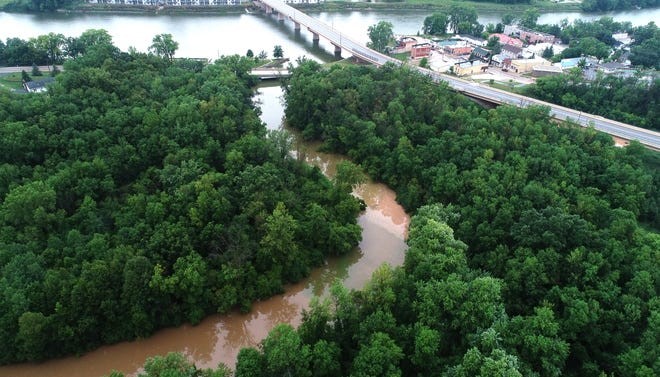
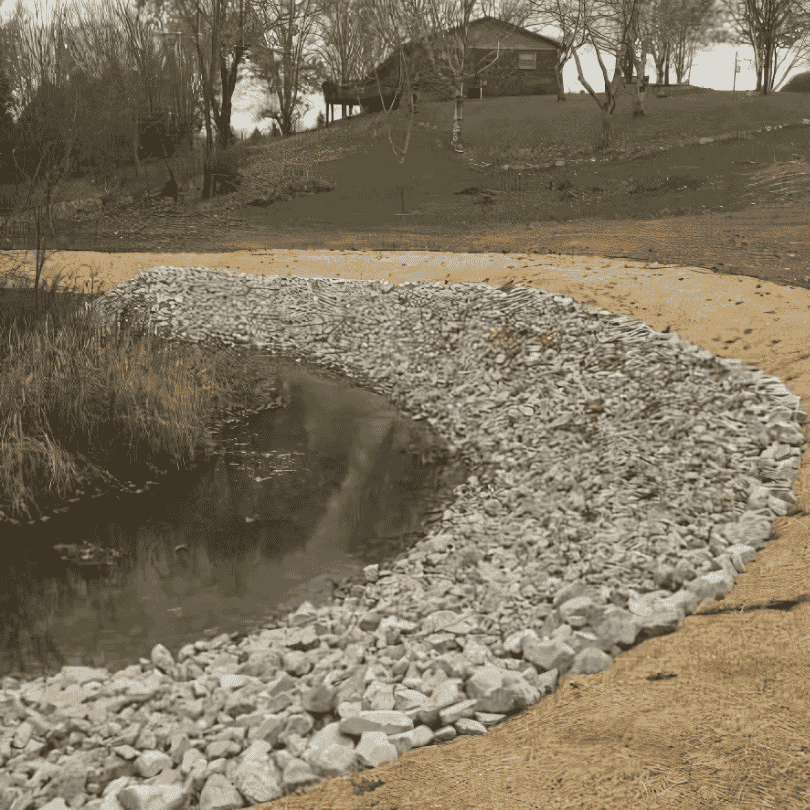
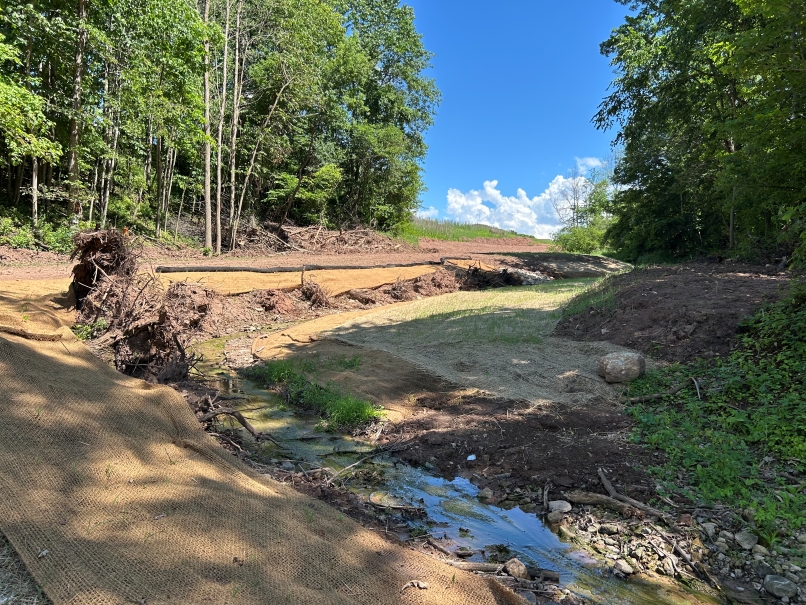
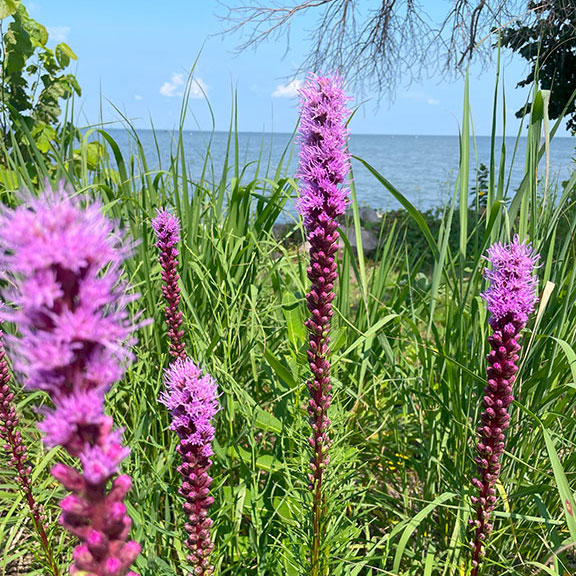
At Fox-Wolf, we use a wide variety of practices to meet conservation goals with our projects. We call these Best Management Practices (BMPs). Depending on the need of the situation, different BMPs may be used. Here’s a look at a few we use for streambank restoration:
stay in the know
Streambank Project Updates
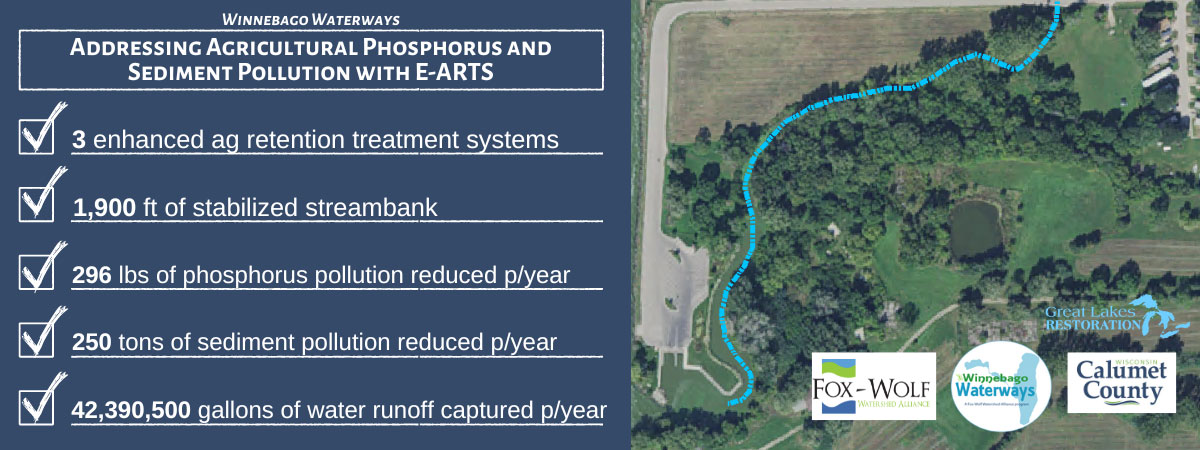
Fox-Wolf Partners with Outagamie County, Village of Wrightstown in Plum Creek
You may have seen the news in the [...]
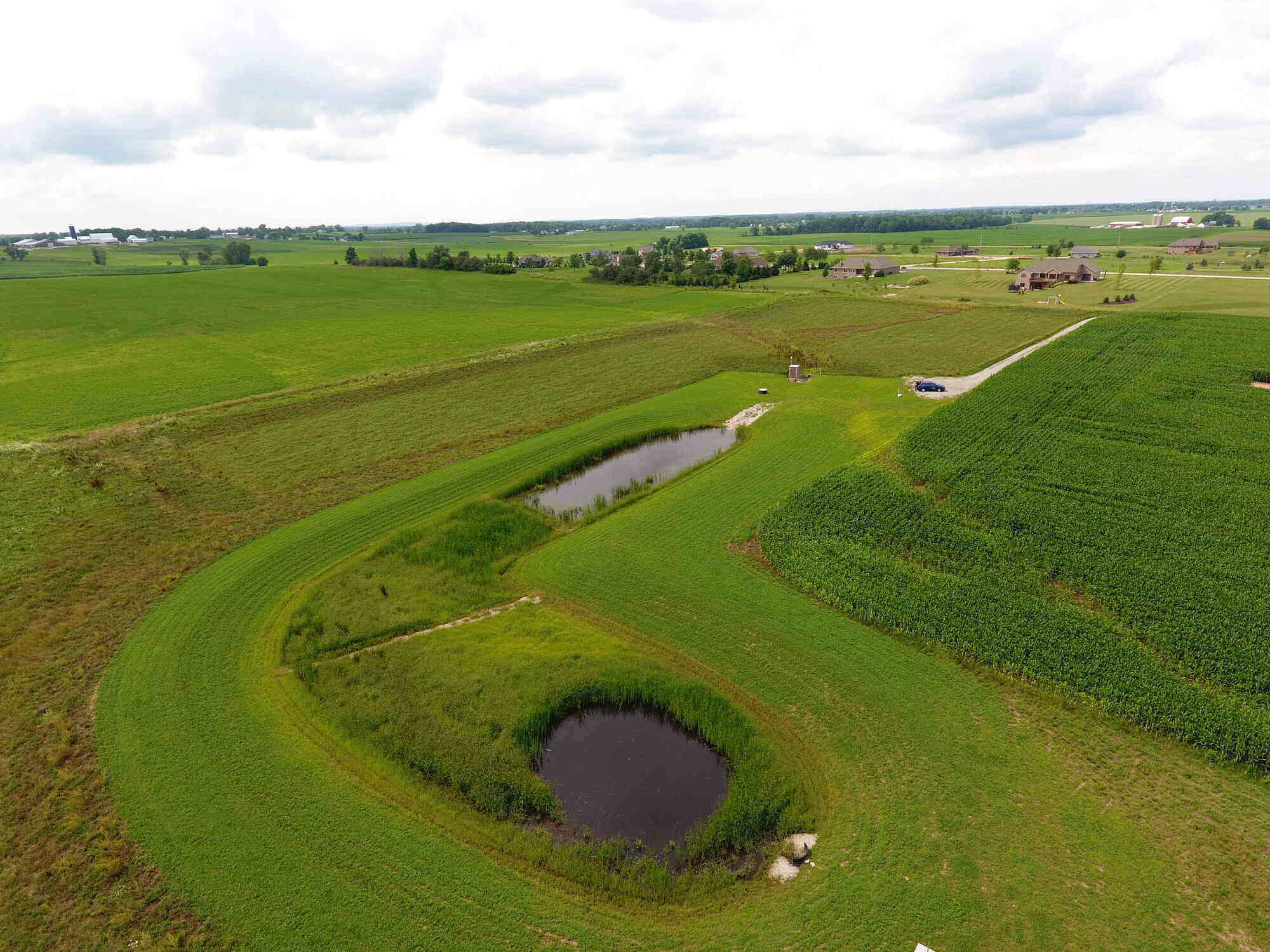
Ag Runoff Treatment Systems: A New(er) Practice in the Conservation Toolbox
There are a variety of conservation best management practices [...]