
The Aquatic Invasive Species Prevention Program at Fox-Wolf Watershed Alliance is dedicated to preventing the spread of AIS through outreach, monitoring, and region-wide coordination throughout Northeast Wisconsin. Aquatic Invasive Species (AIS) are non-native species (e.g. plants, animals, pathogens) that cause or are likely to cause economic, environmental, or human harm and live in water or wetlands.
Request free AIS Outreach for your organization or event! Our AIS Coordinator has experience with school groups, clubs, library programs, and more! Your group will get up close and personal with some invasive species with our hands-on activities! Whether you need a presentation or an outreach table, Chris is experienced and ready to work with you!
Contact Chris at chris@fwwa.org or (920) 460-3674!
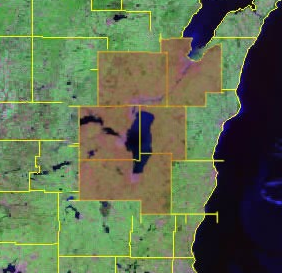
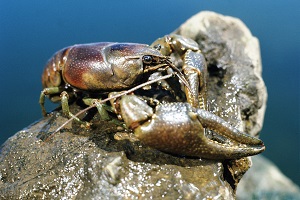
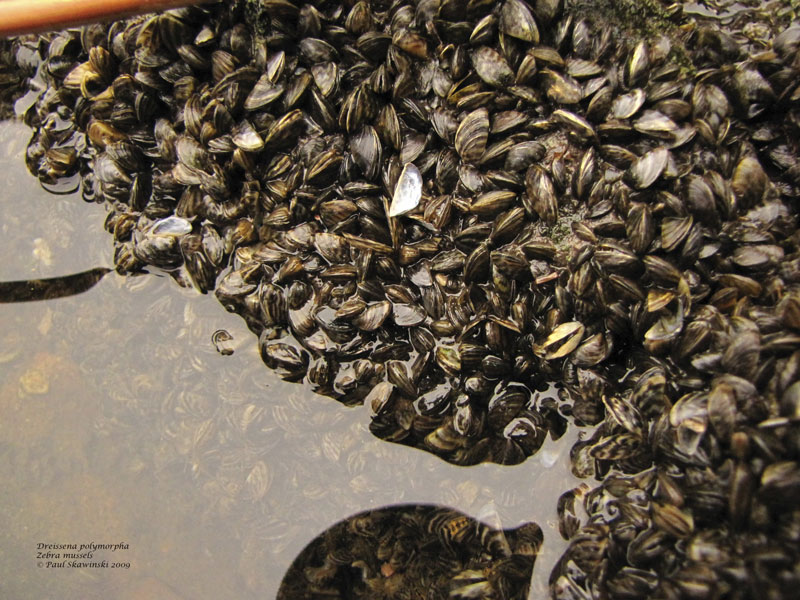
Click on an image to read a complete profile. Or click here to download a pdf you can print and take with you as you are out in the watershed. Online or in print, when you can identify AIS, you can help prevent the spread.
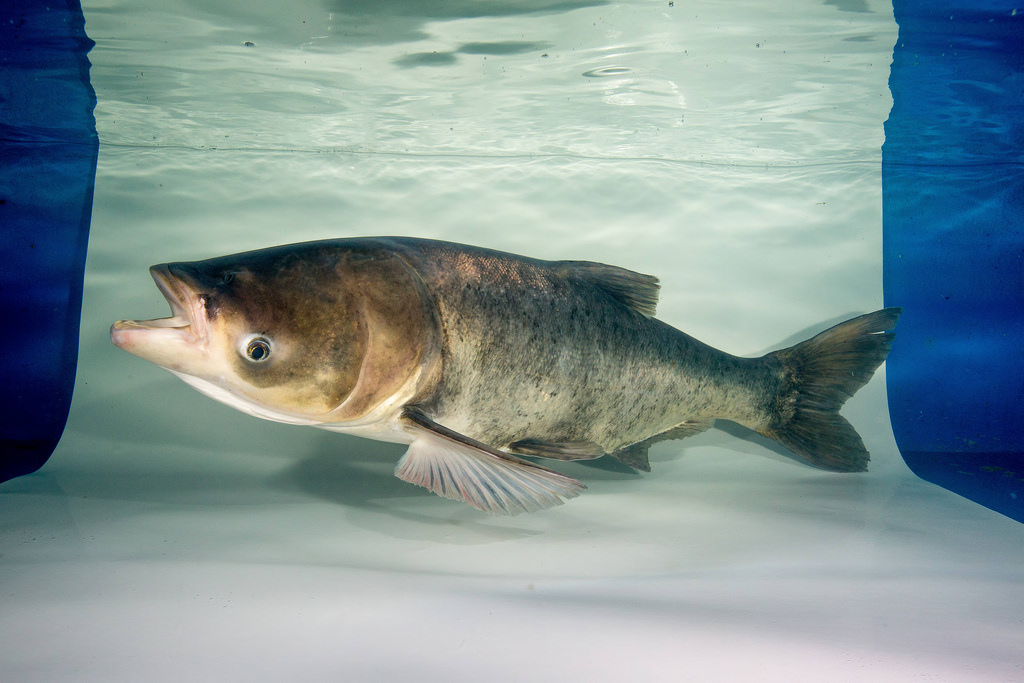
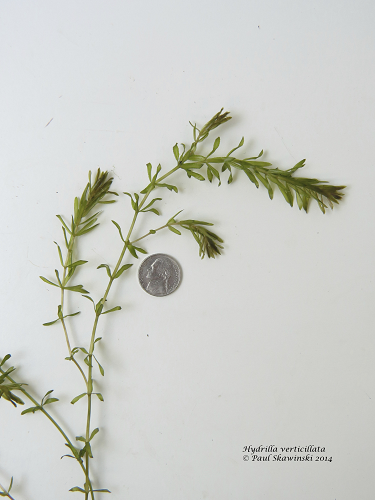
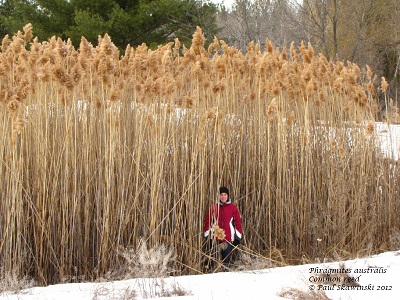
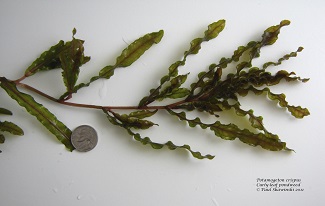
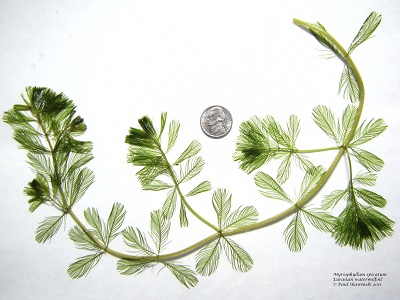
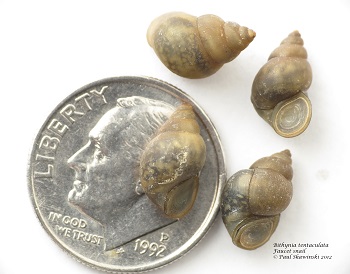

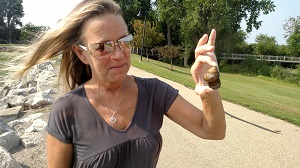
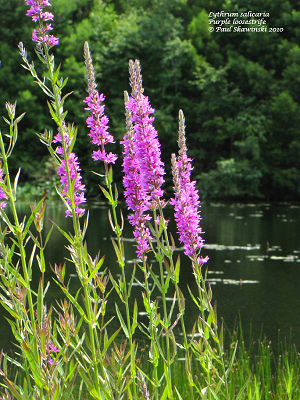
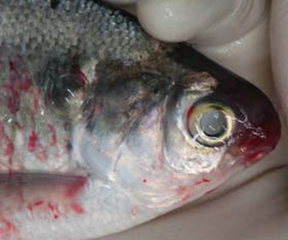
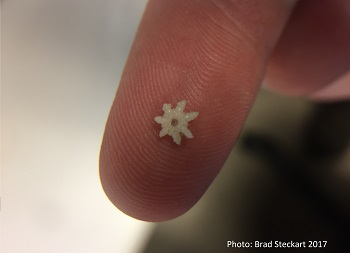
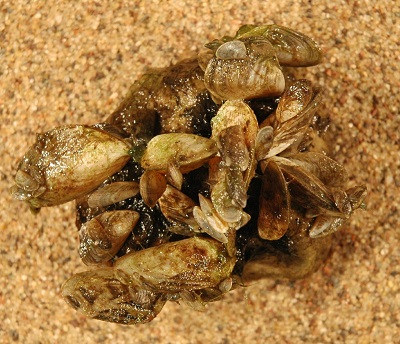
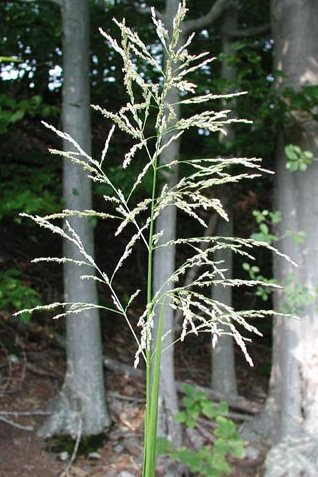
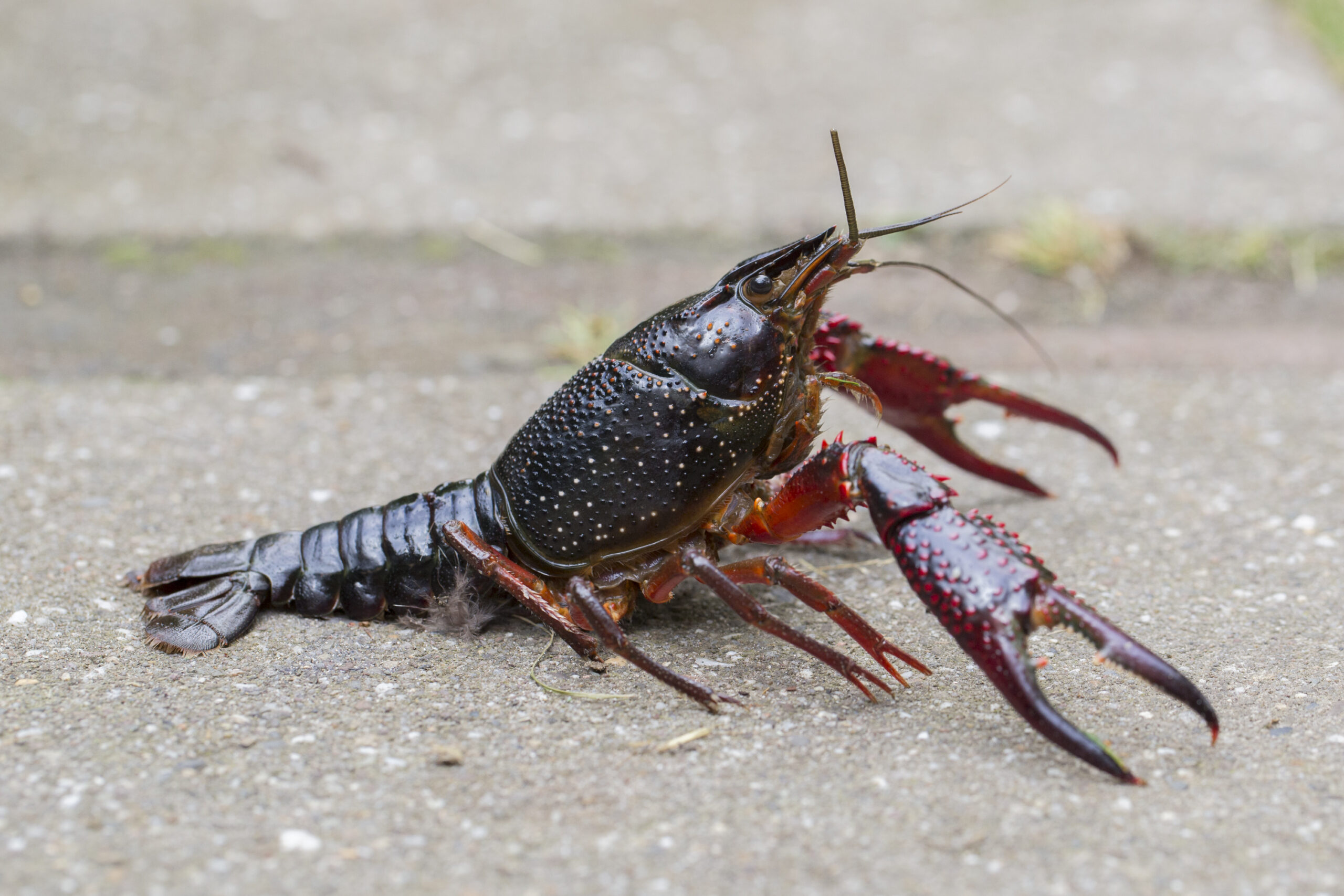
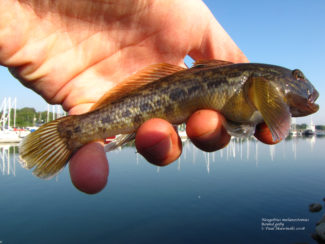




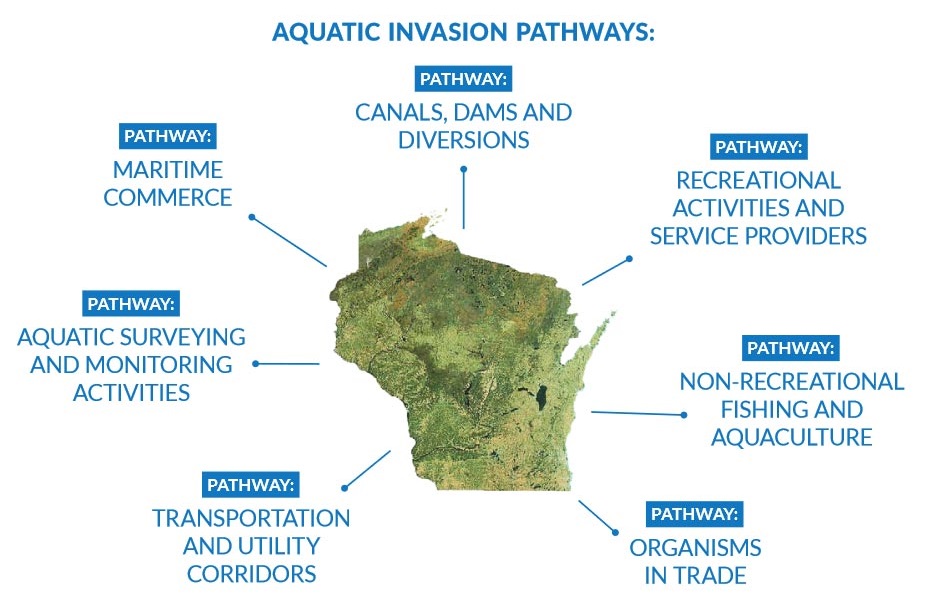
Transport pathways are how AIS have been introduced to and spread across Wisconsin. The number of pathways have continued to grow as new technologies allow for faster movement of goods and services than ever before in history.




Bring Invasive Species Education to Your Virtual Meeting or Event!
Is your outdoor themed club or group holding virtual meetings? Do you have a virtual event coming up? Bring in a virtual speaker to your meeting to talk about aquatic invasive species! Our Aquatic [...]
Kayak Volunteers Trained to Help Search for Invasive Species
AIS Coordinator Chris Trains Volunteers for River Monitoring As the summer gets going, the warm weather brings plenty of water recreation activity opportunities. Boating, angling, and kayaking are just a few options people enjoy. [...]
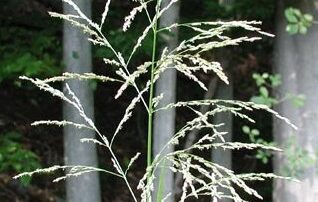
AIS Spotlight – Reed Manna Grass
Every month, we will put a spotlight on an aquatic invasive species (AIS) in a re-occurring monthly article. This month, Reed Manna Grass! Check it out! Reed manna grass (Glyceria maxima) is a [...]
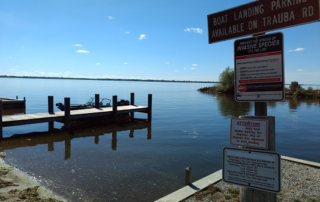
Adopt-a-Launch Program Kicks-Off at Fox-Wolf!
New Local Program Designed to Help Maintain Boat Launches, Identify Aquatic Invasive Species A new program is being rolled out this summer aimed to improve and protect the lakes and rivers in the Fox-Wolf [...]