
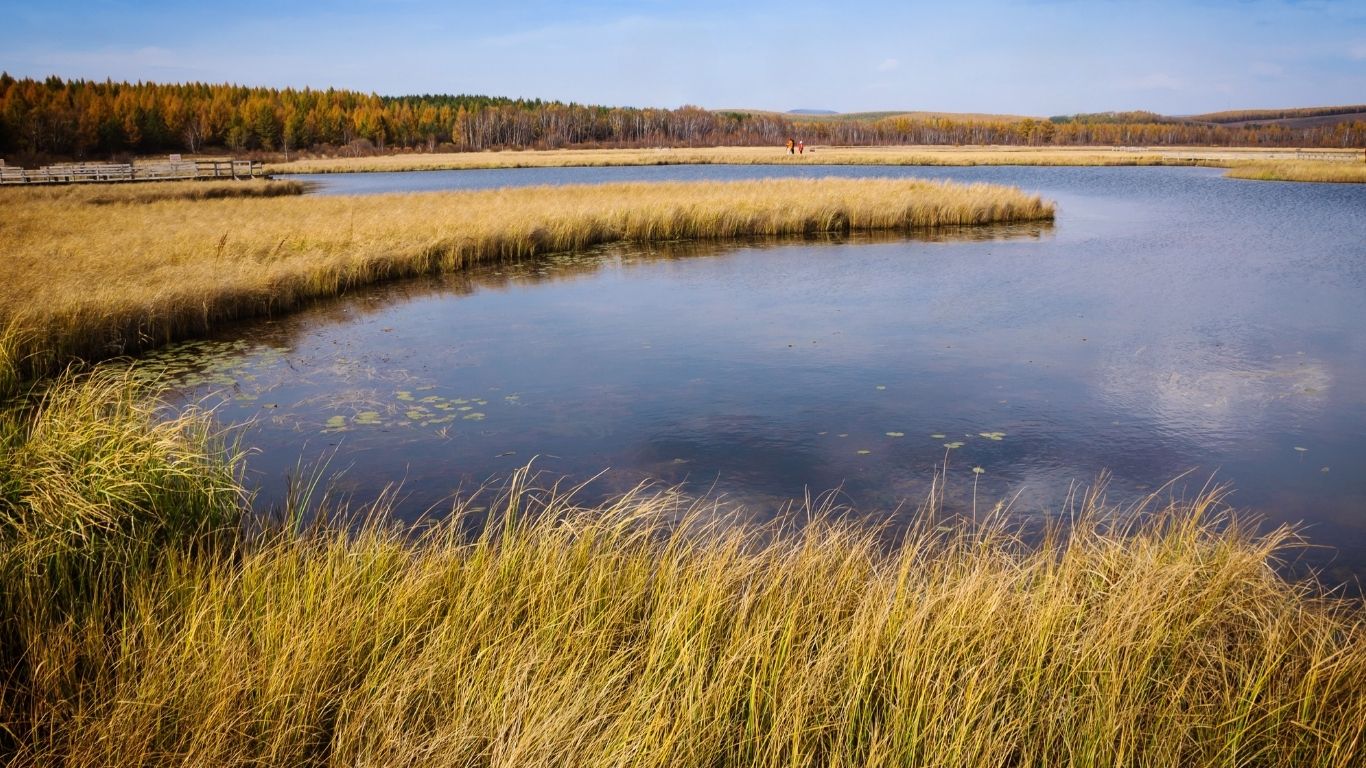
Making the most out of your fields, nature’s way.
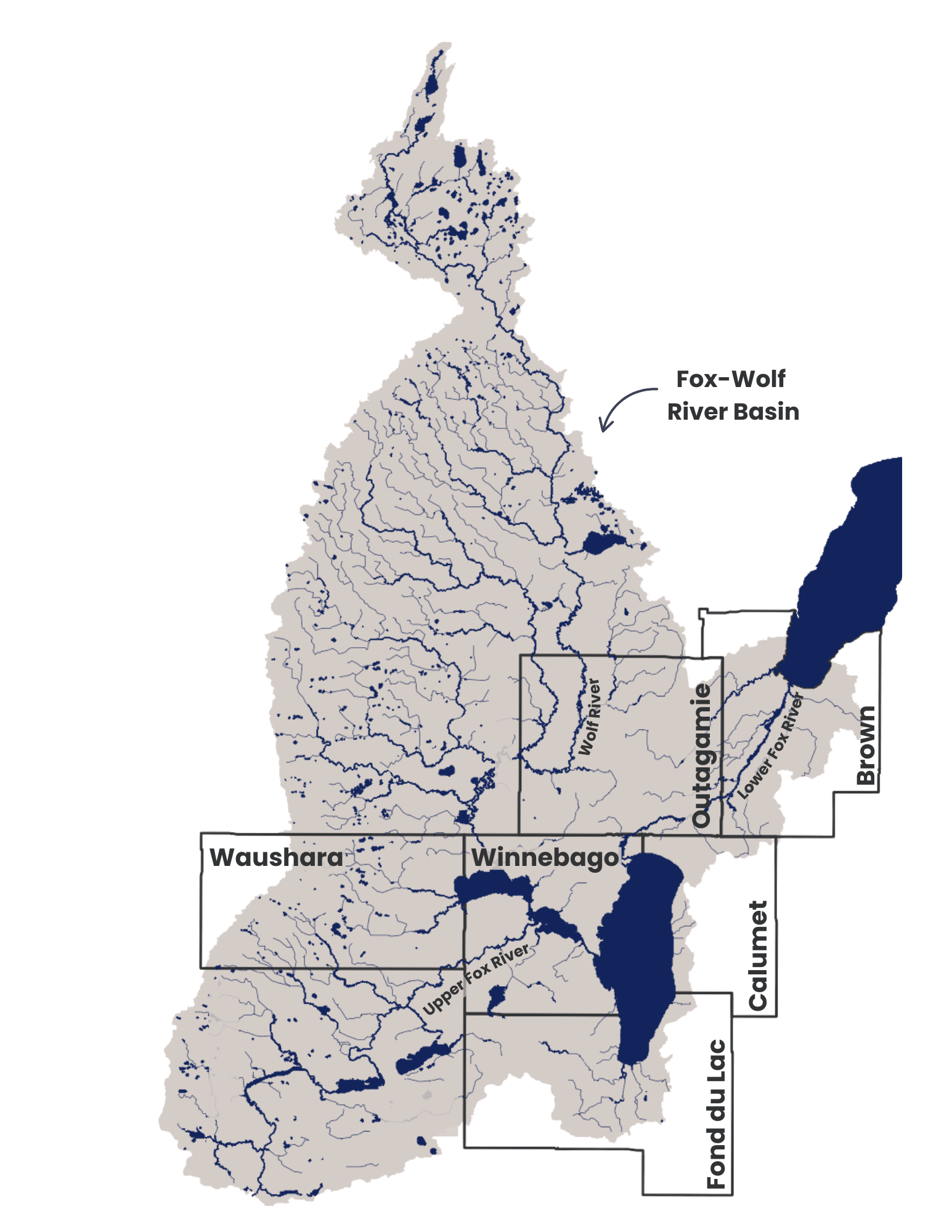
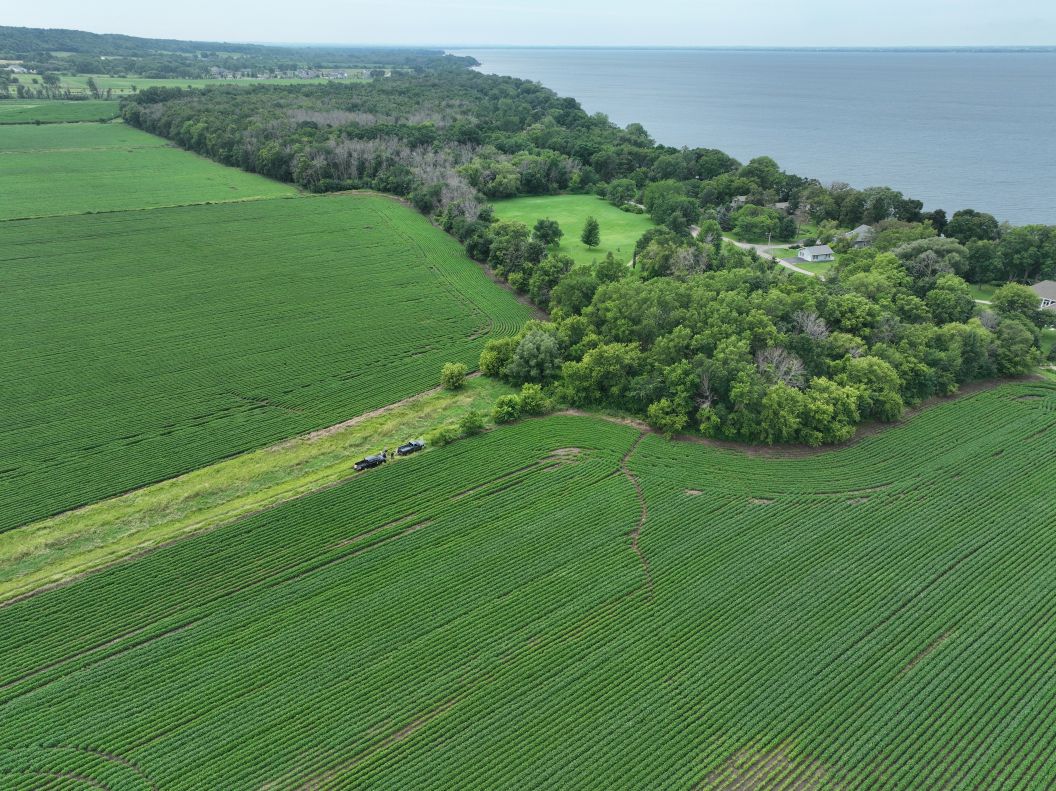
Across the Fox-Wolf River Basin, we are working with farmer’s and agricultural landowners to turn their marginal, problem acres into long-term and permanent conservation practices that harness the power of nature. It’s a win-win for us all.
Making the most out of your fields, nature’s way.
Across the Fox-Wolf River Basin, we are working with farmer’s and agricultural landowners to turn their marginal, problem acres into long-term and permanent conservation practices that harness the power of nature. It’s a win-win for us all.
What We’re Doing
We partner with farmers and agricultural landowners looking to implement permanent or long-term conservation practices that improve water quality and strengthen the health of their soil and land.
Our comprehensive program includes support along every step.
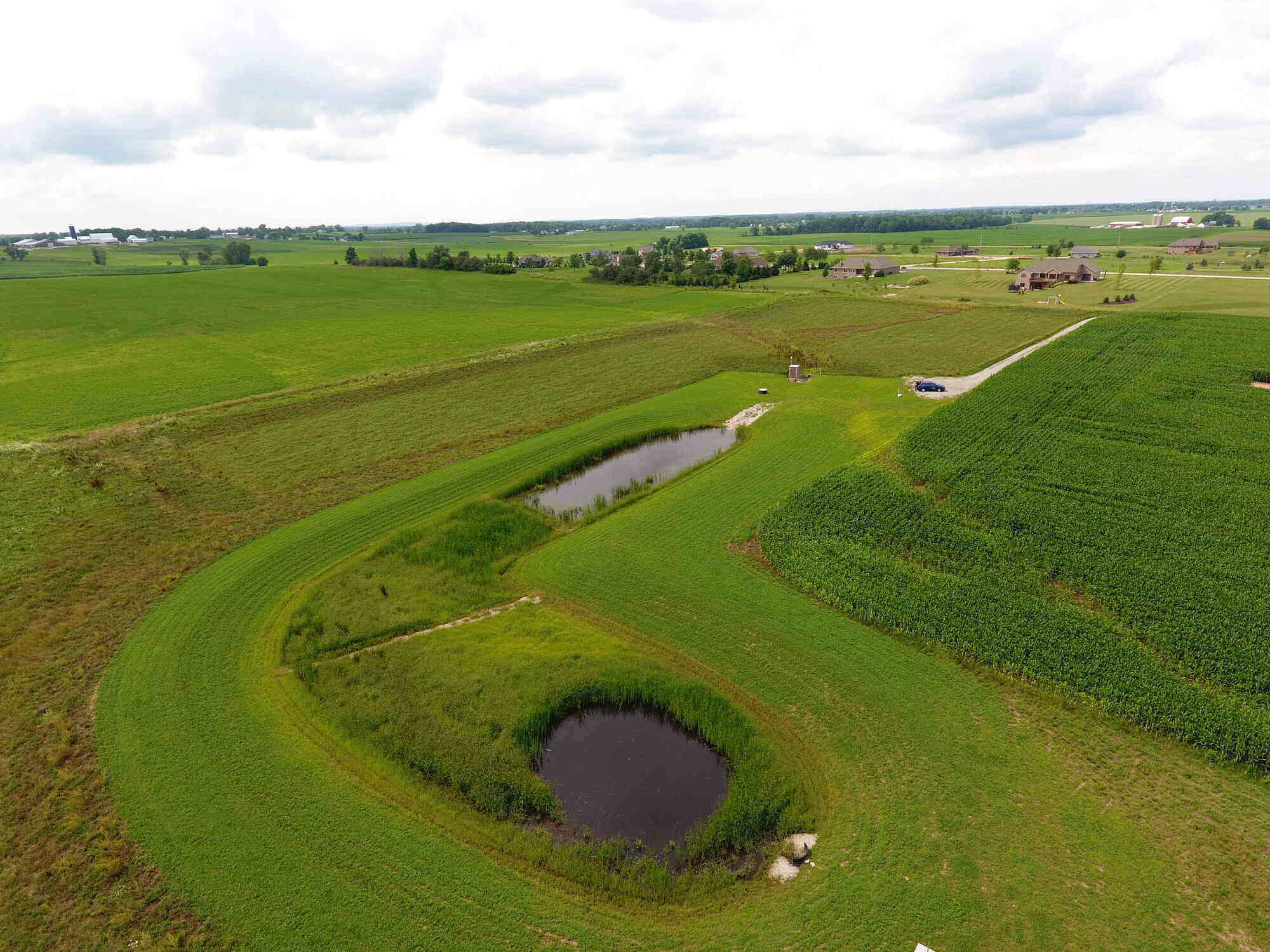
Precision Conservation Farm Planning
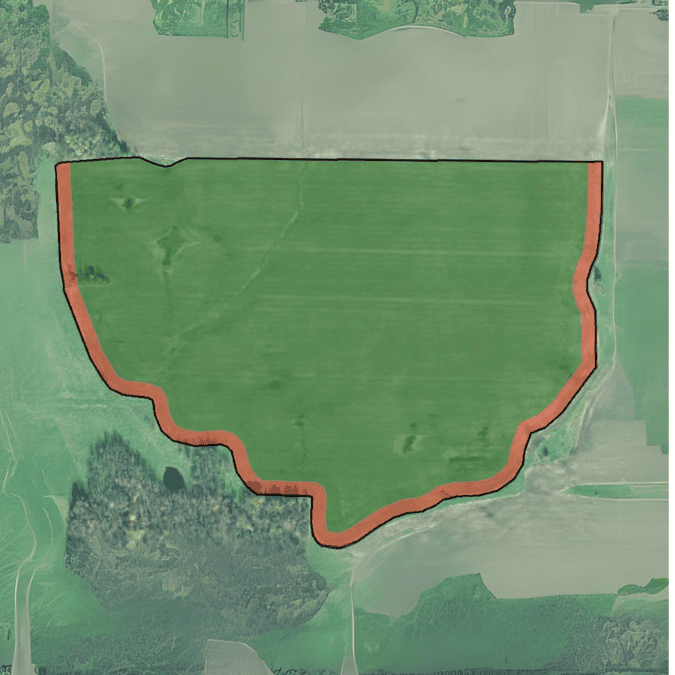
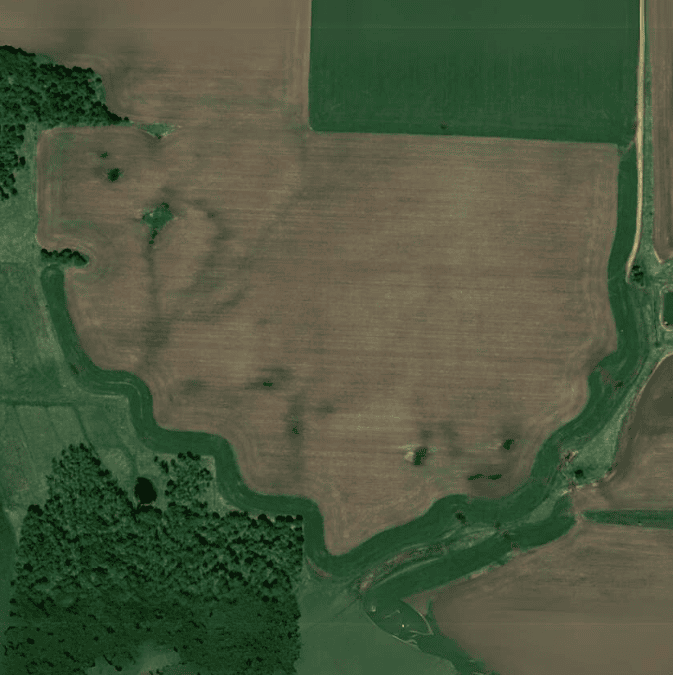
Placing Conservation with Marginal Acre Identification
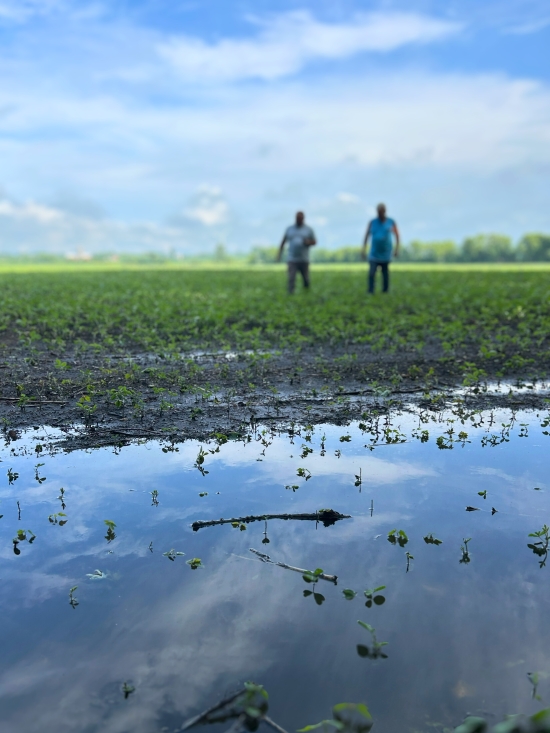
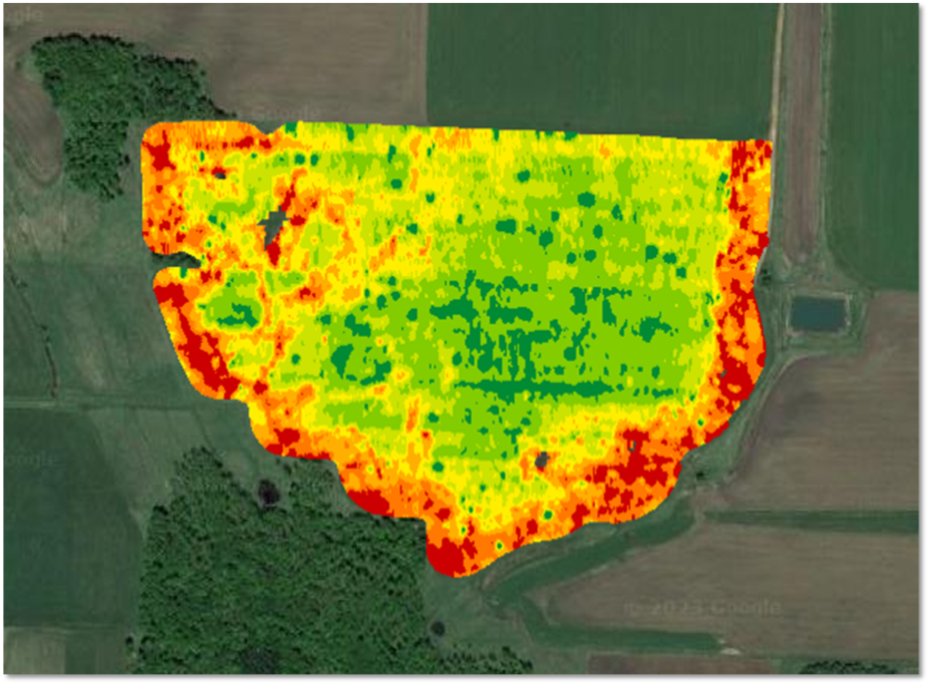
Farm Planning is an important first step in determining the best placement of conservation practices within working lands. Pheasants Forever offers this service and unlimited technical assistance to support farmers in using data, such as soils, NDVI & historical imagery, production history, and precision agriculture data to identify chronically underperforming, marginal field acres.
These areas, where input costs exceed crop revenue, can be targeted for conservation practices that enhance water quality, soil health, wildlife habitat, and overall economic returns. Project partner Pheasants Forever offers Farm Planning services free of cost.
For Landowners
why participate?
Though you may not be the one planting the fields each spring, as an agricultural landowner you still have skin in the game. You want to keep your land productive and beautiful for generations to come.
Fox-Wolf is partnering with agricultural landowners to do just that – with conservation. Whether you’re ready to turn your acres into a hunter’s paradise, keep topsoil on your field, or restore wildlife habitat, we’re here to help make that a reality.
Eligibility &
Program Requirements
Ready to Enroll?
Do you fit the eligibility requirements listed above?
Farmers and agricultural landowners may enroll through a Basin County Land Conservation Department (listed above) or with Fox-Wolf directly. Before enrolling, please reach out to Fox-Wolf or your County Land Conservation Department.
Exploring What’s Possible
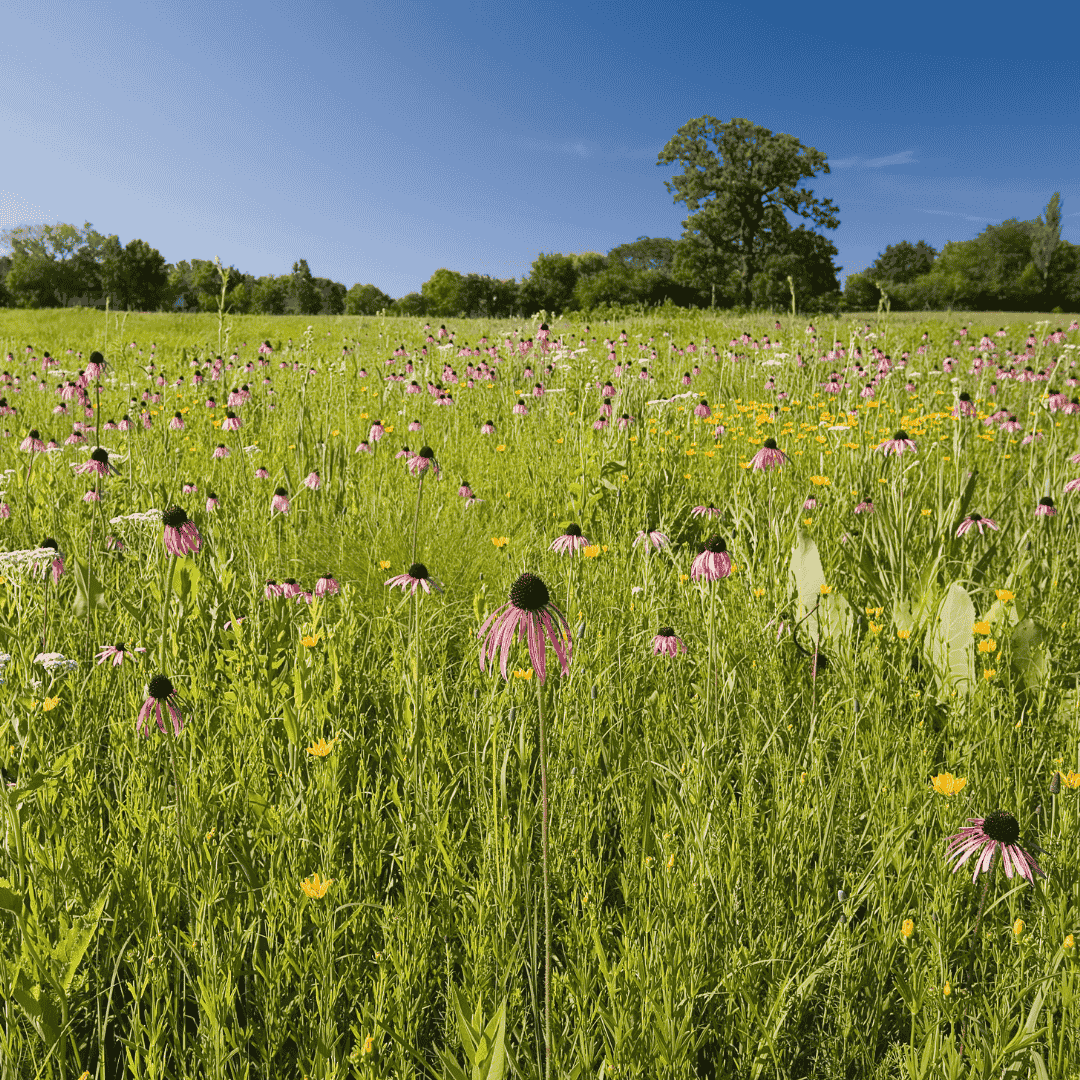
We’re offering a variety of practices to meet the needs of your fields. Explore what we all have to offer.
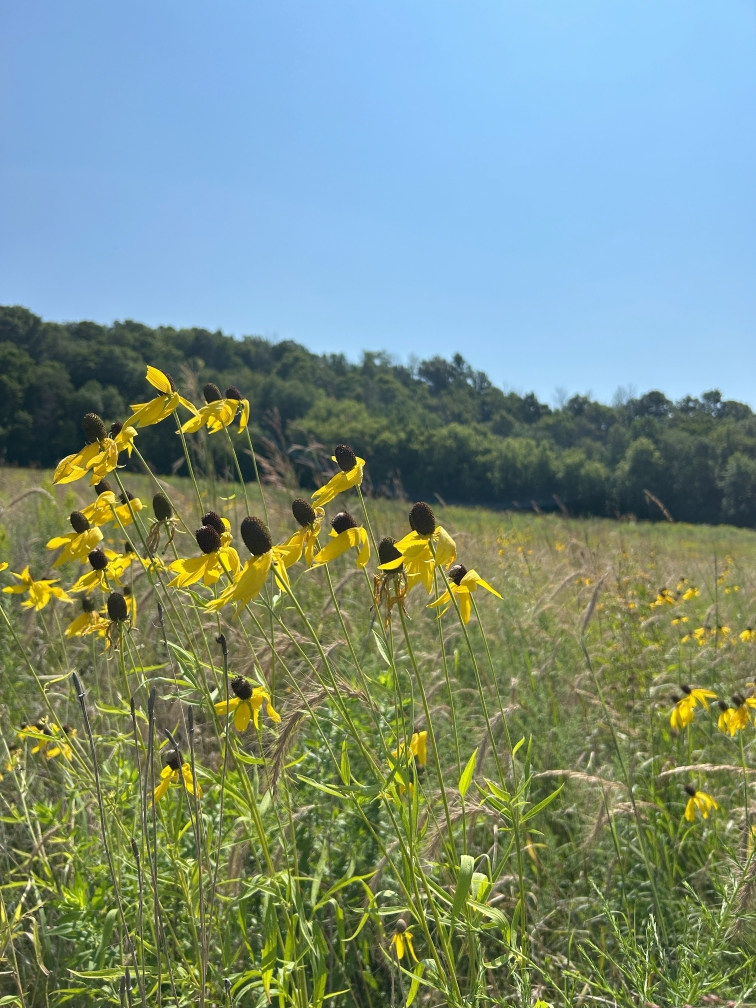
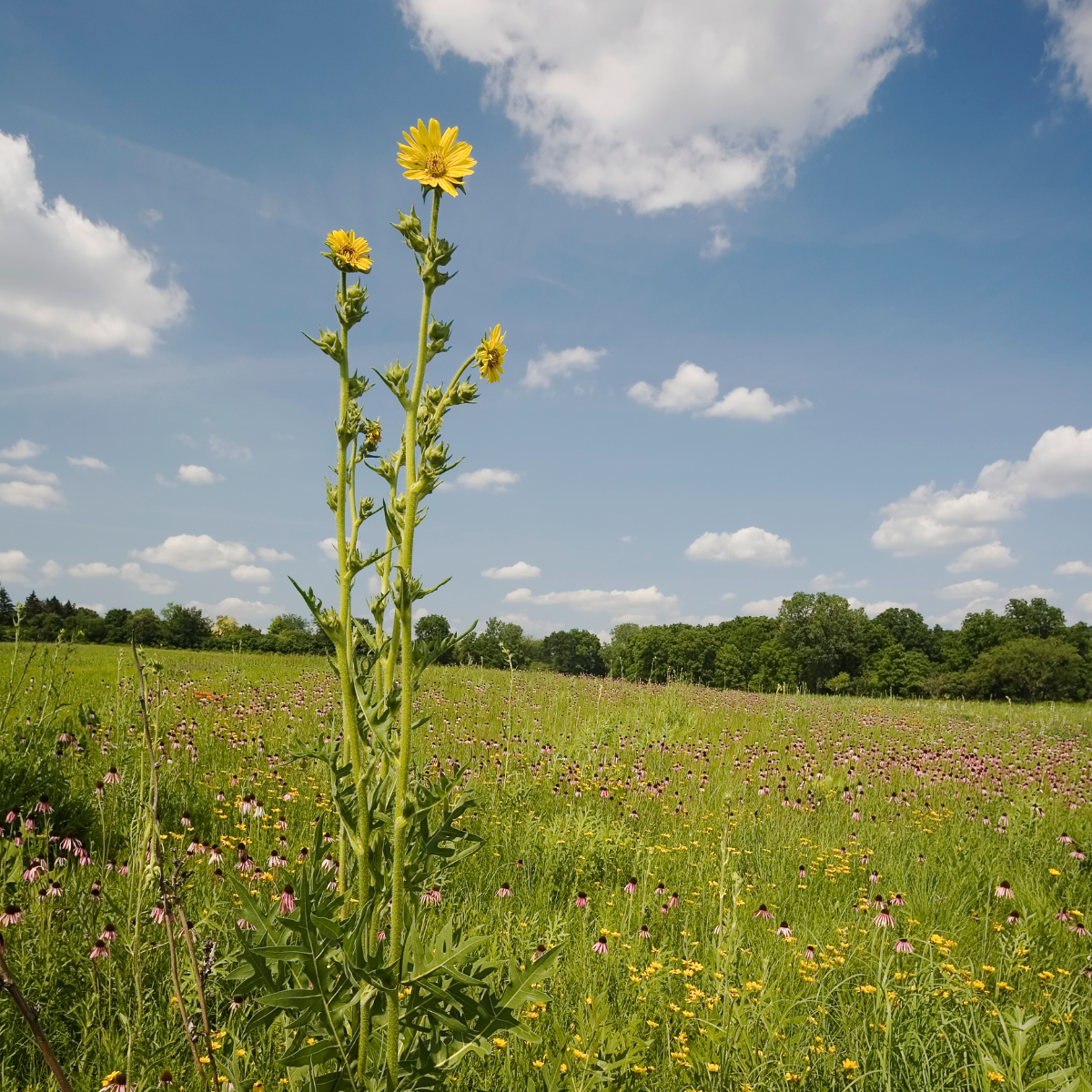
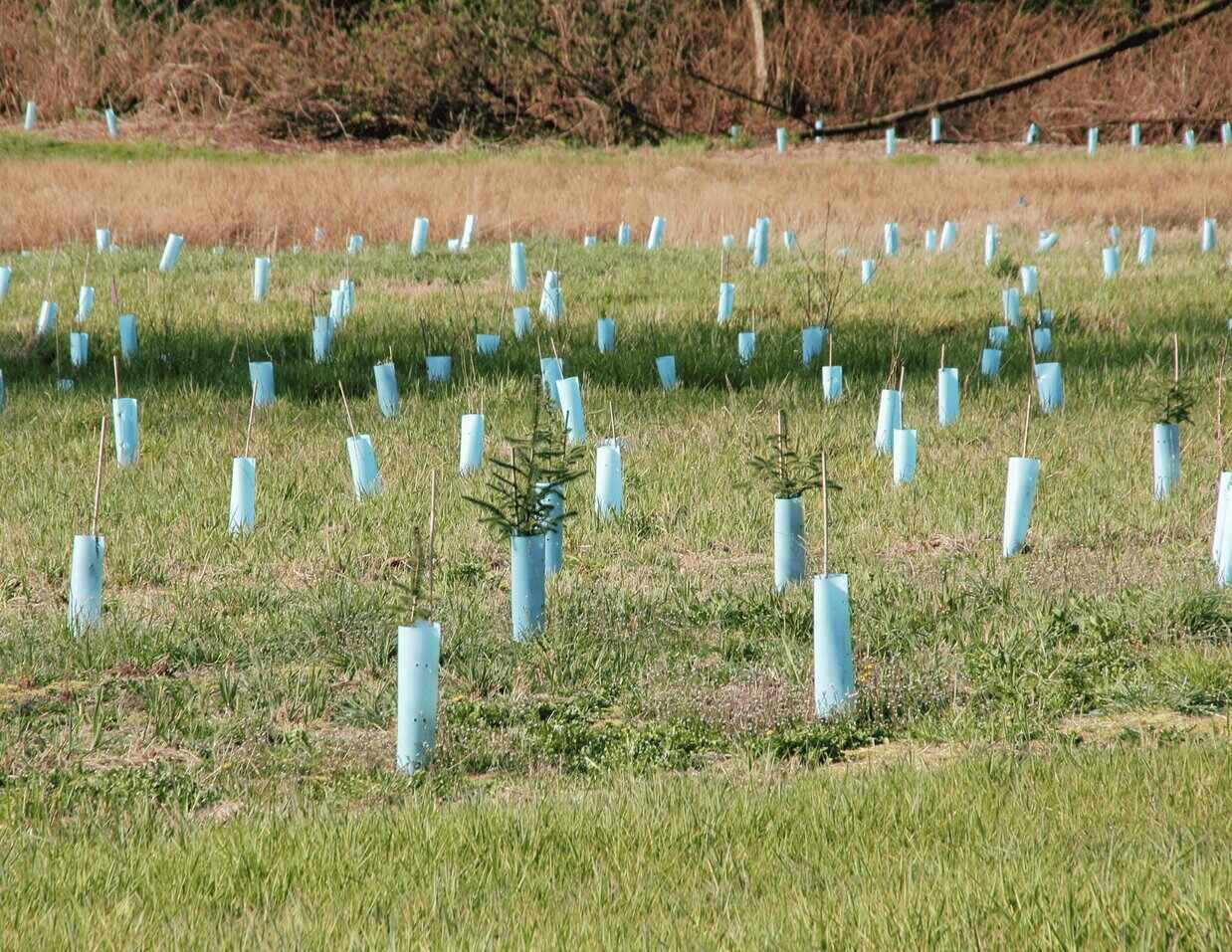
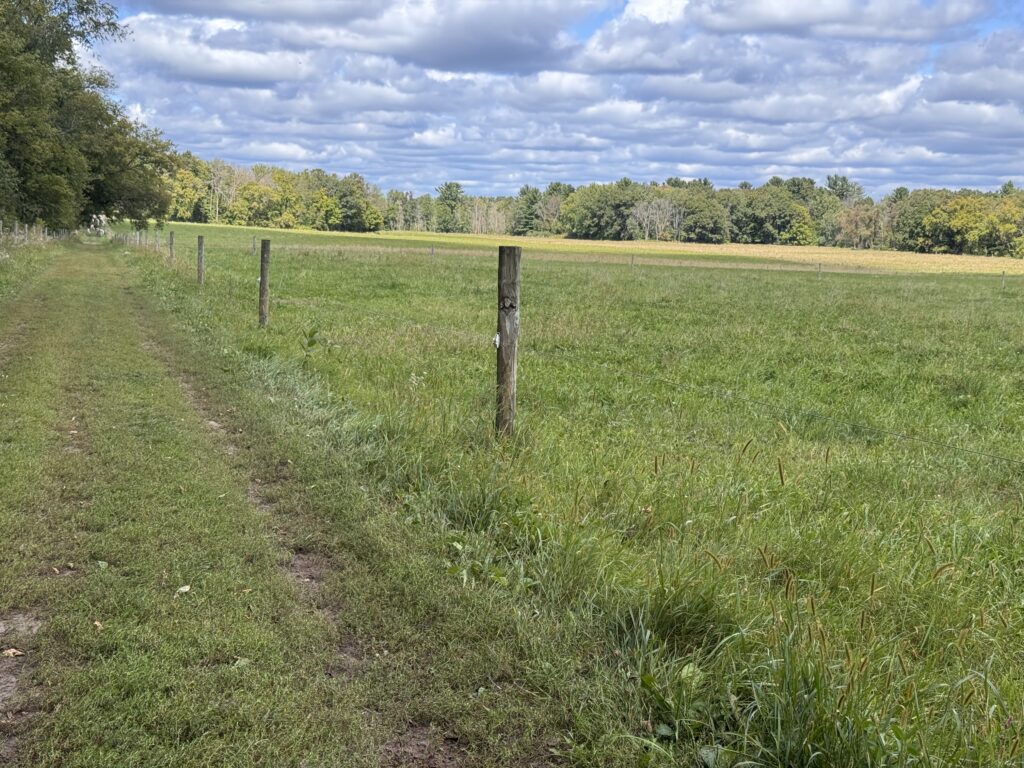
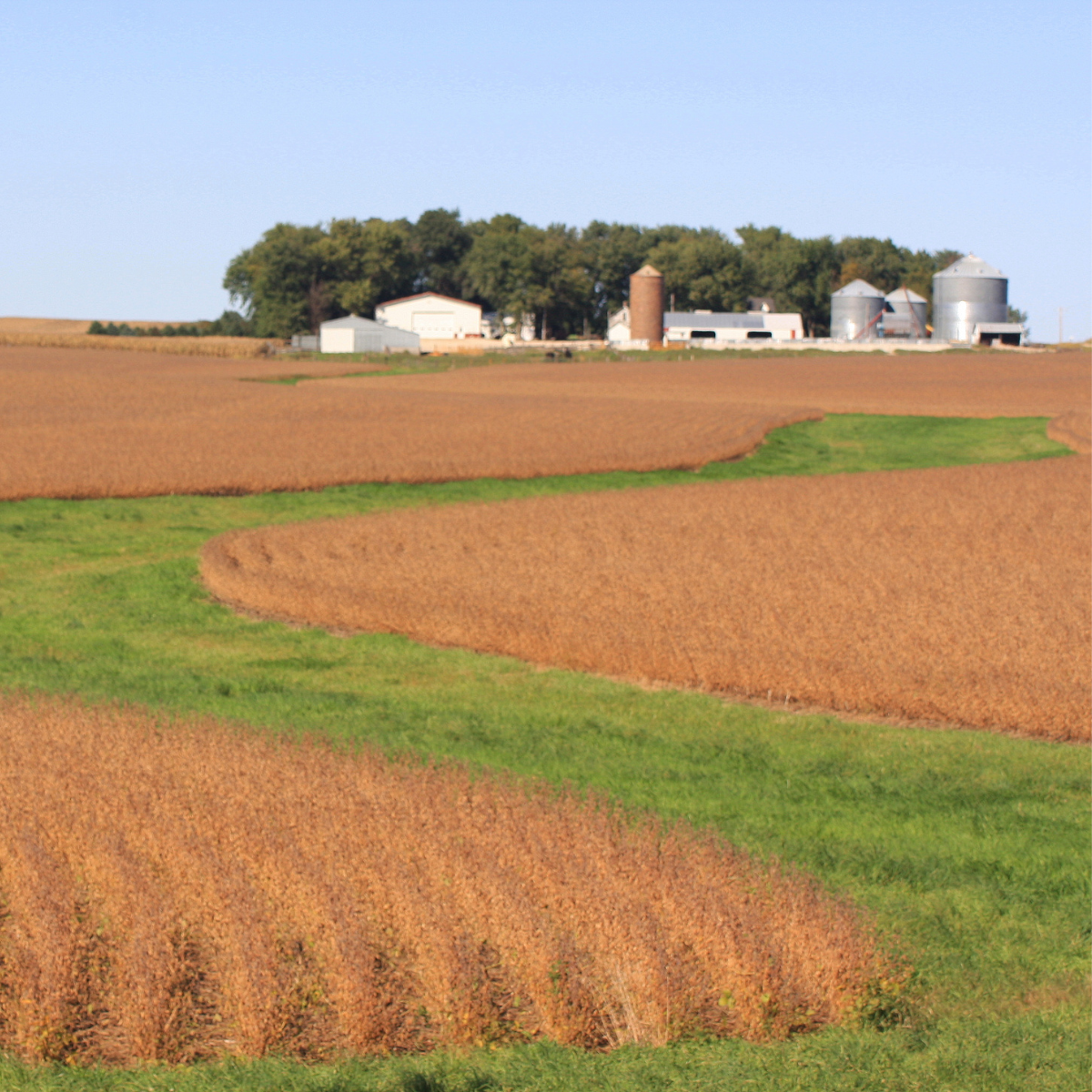
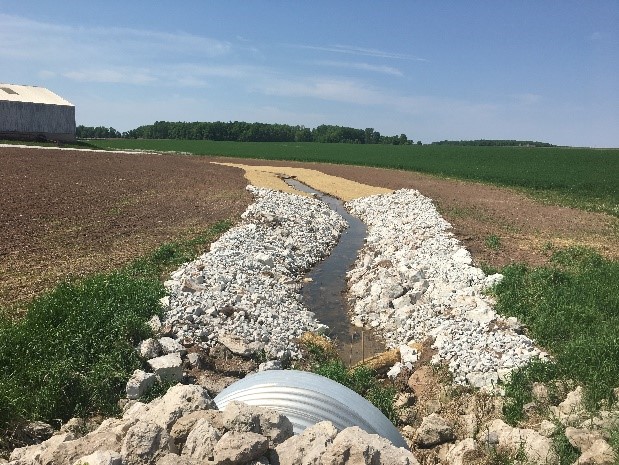
Practices are broken down into two categories: Engineered, practices requiring engineering to design and install, & Ecosystem Restoration, practices that do not provide engineering to install. Engineered practices are incentivized at 100% cost of implementation. Ecosystem Restoration practices are incentivized at a flat-rate payment.
Technical Assistance Providers
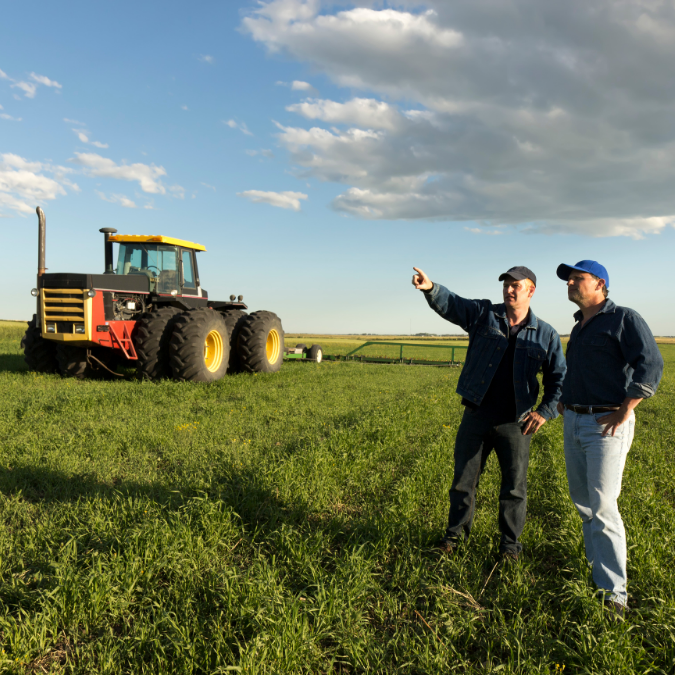
Fox-Wolf is seeking Technical Assistance Providers (TAPs) for Rooted & Resilient projects.
TAPs will provide participants assistance with project design, permitting, required environmental evaluation/cultural resource analysis work, and construction guidance. To learn more about TAP requirements and to submit an RFP, follow the link below. TAP applications will be accepted through August of 2027. Project work is anticipated to begin summer of 2026.
Project Information
Enrollment for Rooted & Resilient is open! Please contact Fox-Wolf Watershed Alliance or your County Land Conservation Department to learn more and apply.





Project Updates
Announcing Fox-Wolf’s Newest Program: Rooted & Resilient
Fox-Wolf Watershed Alliance is proud to announce the launch of Rooted & Resilient, a new conservation program supporting the organization’s Natural [...]

Targeted Conservation: Alternative Management for Increased Profits
Target Conservation: Alternative Management for Increased Profits By Johnny Behrendt, Pheasants Forever | Written for the Winter 2025 Basin Buzz [...]
This material is based upon work supported by the U.S. Department of Agriculture, under agreement number NR233A750004G071. Any opinions, findings, conclusions, or recommendations expressed in this publication are those of the author(s) and do not necessarily reflect the views of the U.S. Department of Agriculture. In addition, any reference to specific brands or types of products or services does not constitute or imply an endorsement by the U.S. Department of Agriculture for those products or services. USDA is an equal opportunity provider, employer, and lender.